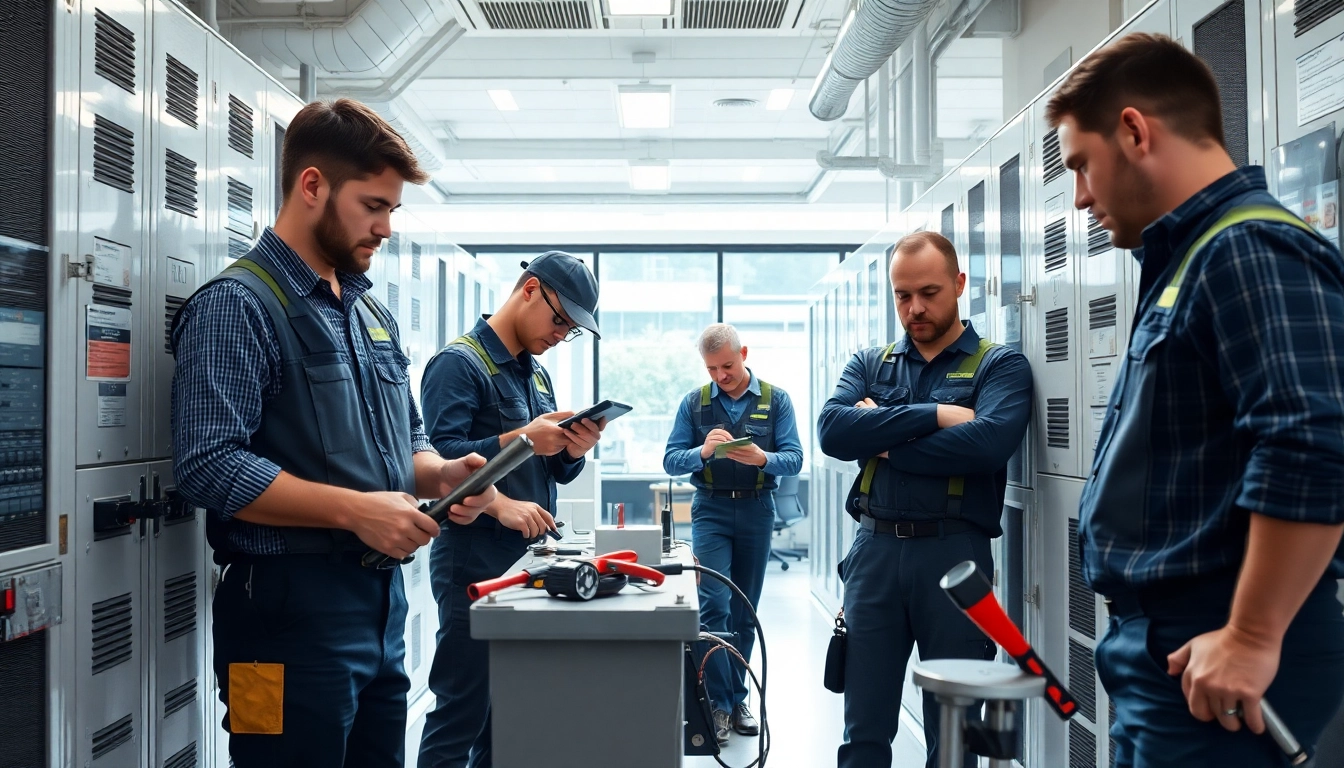
Understanding General Building Maintenance
Definition and Importance of General Building Maintenance
General building maintenance encompasses a broad array of services and activities necessary to ensure that facilities remain safe, functional, and aesthetically pleasing. It includes regular inspections, repairs, and preventative measures aimed at preserving the integrity of the infrastructure. The importance of general building maintenance cannot be overstated as it directly influences not just the longevity of the building, but also the comfort and safety of those who occupy it.
Key Components of General Building Maintenance
The core components of general building maintenance include mechanical, electrical, plumbing, and structural upkeep. Each of these components plays a critical role in the overall health of the building:
- Mechanical Systems: This includes HVAC systems, elevators, and any equipment essential for operational efficiency.
- Electrical Systems: Ensuring that all lighting, wiring, and power outlets function safely and effectively.
- Plumbing Systems: Regular checks on pipes, fixtures, and drainage systems to prevent leaks and blockages.
- Structural Integrity: Addressing any issues with walls, roofs, and foundations to prevent safety hazards.
Common Challenges in General Building Maintenance
Despite its importance, general building maintenance faces various challenges. These include budgeting constraints, lack of skilled labor, and the continuous need for up-to-date knowledge of building codes and regulations. Moreover, maintaining aging facilities can significantly drive costs up, making it essential for managers to formulate strategic approaches to navigate these challenges effectively.
Best Practices for General Building Maintenance
Developing a Maintenance Schedule
Creating a robust maintenance schedule is foundational to effective building management. A well-planned schedule allows facility managers to organize their activities, allocate resources, and ensure that no aspect of maintenance is overlooked. Consider these steps for creating an effective schedule:
- Conduct a thorough assessment of the building and its systems.
- Identify key maintenance tasks that need to be performed regularly.
- Assign responsibilities to staff members or contractors.
- Utilize software tools to set reminders for scheduled maintenance.
Effective Documentation Techniques
Documentation is critical in general building maintenance as it provides the foundation for decision-making and prioritization. Maintain detailed records of all maintenance activities, including dates, costs, and outcomes. Implement digital logging systems to keep track of inspections, repairs, and routine maintenance checks. This can streamline information access and improve accountability.
Utilizing Technology in General Building Maintenance
The integration of technology can enhance maintenance practices significantly. Tools ranging from building management systems (BMS) to mobile applications allow for real-time monitoring of various building systems. Consider adopting solutions that enable:
- Remote monitoring of HVAC and electrical systems.
- Automated alerts for required maintenance tasks.
- Mobile access to maintenance logs and inspection reports for on-site personnel.
Benefits of Proactive General Building Maintenance
Cost Savings Through Regular Maintenance
Investing in proactive general building maintenance can yield substantial cost savings over time. Regular maintenance can prevent minor issues from escalating into major, costly repairs. By budgeting for consistent upkeep, facilities can reduce emergency repair costs significantly and extend the lifespan of critical systems.
Enhancing Safety and Compliance
Routine maintenance plays a crucial role in enhancing the safety of the building for occupants. Adhering to safety regulations and building codes not only protects individuals but also shields property owners from potential liabilities. Regular checks ensure that all safety equipment is functional and up to standard, which helps in maintaining compliance with local laws.
Improving Building Longevity
Proactive maintenance extends the lifespan of the building’s infrastructure. By regularly servicing mechanical and structural elements, facility managers can avoid premature deterioration. This, in turn, leads to sustained value over the building’s lifecycle, maximizing return on investment for owners.
Common Services in General Building Maintenance
Routine Inspections and Repairs
Inspections should be a frequent part of the maintenance routine. Regular assessments of vital systems allow for early identification of potential issues. Services can include:
- Monthly inspections of HVAC filters and systems.
- Quarterly evaluations of plumbing fixtures and drainage.
- Annual assessments involving structural checks for wear and tear.
Landscaping and Exterior Upkeep
Exterior maintenance, including landscaping, significantly impacts a building’s curb appeal and overall atmosphere. Services may include:
- Regular mowing and maintenance of green spaces.
- Snow removal in winter months to ensure safe access.
- Cleaning and repair of exterior lighting and signage.
HVAC Maintenance and Troubleshooting
Given that HVAC systems are often the most complex and critical mechanical components of a building, regular maintenance is crucial. This includes ensuring proper functionality, energy efficiency, and air quality. Regular maintenance tasks might consist of:
- Changing air filters monthly or bi-monthly.
- Inspecting ductwork for leaks and blockages.
- Performing seasonal tune-ups to anticipate peak demand periods.
Measuring Success in General Building Maintenance
Key Performance Indicators for Maintenance Effectiveness
To ascertain the effectiveness of your maintenance program, consider tracking key performance indicators (KPIs) such as:
- Response times to maintenance requests.
- Number of recurring issues in a specified timeframe.
- Cost per square foot of maintenance.
Customer Satisfaction Metrics
Customer satisfaction extends to building occupants as well. Regular surveys can provide insights on tenant comfort and safety, which in turn reflects on the effectiveness of the maintenance program. Key metrics could include:
- Satisfaction scores for specific services like HVAC or plumbing.
- Feedback on the responsiveness of maintenance staff.
Adapting Methods Based on Feedback
Continuous improvement is essential in maintenance management. Use tenant feedback and performance metrics to adjust your strategies. Regularly evaluate the effectiveness of your maintenance practices and be willing to adapt based on what occupants are experiencing and reporting.
Frequently Asked Questions
What is general building maintenance?
General building maintenance includes regular inspections, repairs, and upkeep to ensure that facilities are functional, safe, and well-maintained.
Why is a maintenance schedule important?
A maintenance schedule helps organize tasks, allocate resources, and ensures crucial upkeep tasks are not overlooked, enhancing efficiency and safety.
What technology aids building maintenance?
Building management systems, mobile apps for reporting issues, and real-time monitoring tools help streamline maintenance processes and improve oversight.
How does maintenance impact costs?
Regular maintenance prevents small problems from becoming larger, expensive repairs, leading to significant cost savings over the life of the building.
What KPIs should be tracked in maintenance?
Key indicators include response times to requests, recurring issue rates, and maintenance costs per area, which help evaluate the program’s effectiveness.