Understanding the Charm of Cape Cod Home
The cape cod home holds a timeless appeal, reflecting the rich history and cultural essence of New England. With its distinct architectural features, these homes narrate a story that resonates with both residents and visitors alike. This section explores the historical background, architectural features, and regional variations that contribute to the unique charm of Cape Cod homes.
Historical Background of Cape Cod Homes
Originating in the 17th century, Cape Cod homes are deeply rooted in early American history. These houses were built by the first settlers in the Cape Cod region of Massachusetts, who sought to create practical and durable dwellings against the harsh New England winters. Their straightforward design was influenced by the English homes of that era, emphasizing functionality and sustainability.
The triangular roofs were designed to quickly shed snow, a common feature due to the region’s winter climate. Over time, the style evolved to include distinctive features such as dormer windows and symmetrical facades, which added charm and enhanced functionality by providing additional light and space in the upper floors of the homes.
Architectural Features
The hallmark of a Cape Cod home lies in its simple yet elegant design. Common architectural features include:
- Steep Roof: The iconic steeply pitched roofs are not only aesthetically pleasing but also practical for snow removal.
- Dormer Windows: These windows increase natural light and ventilation in the attic space while also enhancing the home’s exterior appeal.
- Symmetrical Design: Cape Cod homes typically exhibit a balanced and symmetrical layout, contributing to their classic New England aesthetic.
- Wooden Clapboard Siding: Often painted in muted colors, the wood siding reflects the natural surroundings and offers durability.
Regional Variations
While the basic design principles of Cape Cod homes remain consistent, regional variations emerge based on local climate and available materials. For instance, homes built along the coastal areas often feature wider overhangs to protect against ocean winds, while those situated inland might exhibit larger porches to accommodate outdoor living. The blend of these features creates a unique charm specific to each neighborhood.
Key Design Elements of a Cape Cod Home
Designing a functional and beautiful Cape Cod home involves careful consideration of key elements that define its character and charm. From the exterior to the interior, each aspect plays a critical role in creating an inviting atmosphere.
Exterior Characteristics
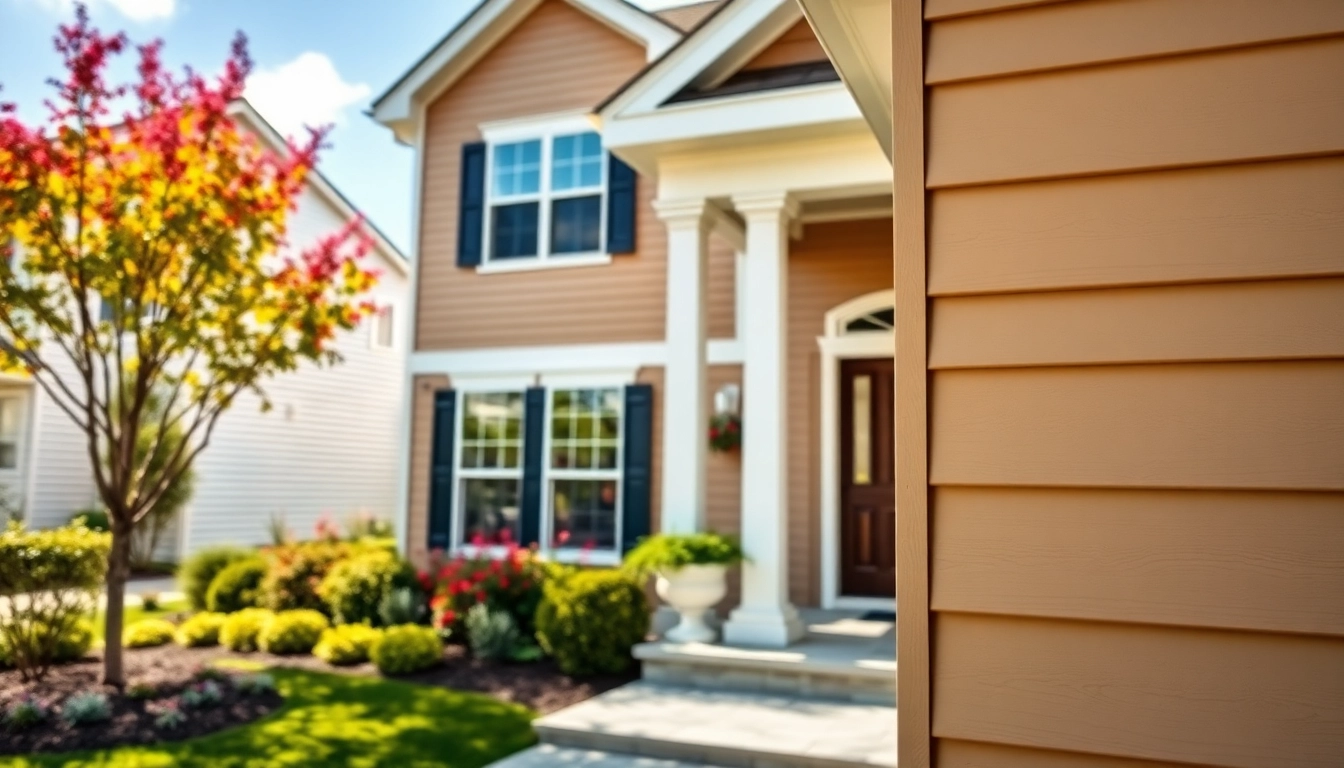
The exterior of a Cape Cod home is characterized by its simplistic yet beautiful design. Key features include:
- Bays and Gables: Most Cape Cod homes feature prominent gables and bay windows that add dimension to the façade.
- Porches: Entry porches are common and often serve as a transitional space between the indoor and outdoor areas.
- Materials: Traditional materials such as wood, brick, and stone harmonize with the natural landscape while emphasizing durability.
- Color Scheme: Soft, muted color palettes enhance the charming aesthetic while reflecting the coastal surroundings.
Interior Design Concepts
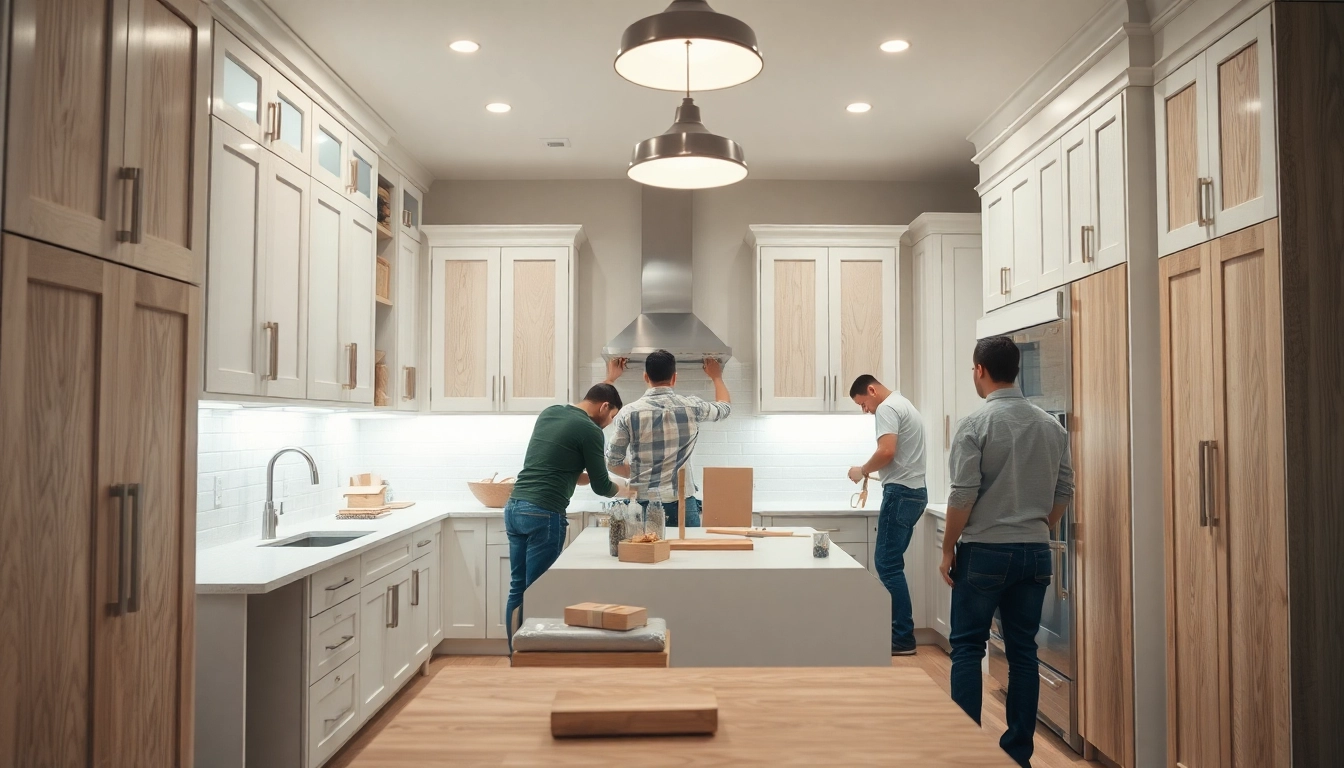
Inside a Cape Cod home, the atmosphere is meant to provide warmth and comfort. Elements such as vaulted ceilings, open floor plans, and cozy fireplaces contribute to this inviting environment. Key interior design concepts include:
- Open Spaces: Open-concept living areas connect the kitchen, dining, and living spaces, making the home feel larger and more welcoming.
- Natural Light: Large windows and strategically placed skylights increase natural light, enhancing the interior ambiance.
- Classic Furnishings: Furnishing choices often focus on ageless styles, combining functionality with aesthetic appeal.
- Rustic Accents: Incorporating rustic elements, such as reclaimed wood finishes or stone fireplaces, creates a cozy, inviting environment.
Landscaping Ideas
Landscaping plays a crucial role in complementing a Cape Cod home’s architecture. A well-designed landscape should reflect the home’s style while enhancing its overall appeal. Ideas include:
- Native Plants: Using native plants minimizes maintenance and ensures a thriving garden that supports local wildlife.
- Defined Pathways: Stone or gravel paths define spaces and provide a warm welcome to visitors.
- Outdoor Living Spaces: Incorporating patios, decks, or fire pits enhances usability and enjoyment of the outdoor area.
- Flower Beds: Colorful flower beds around the home can add vibrancy while remaining consistent with the natural landscape.
Common Challenges in Cape Cod Home Construction
Constructing a Cape Cod home can present unique challenges that must be addressed for successful completion. Understanding these challenges is pivotal for prospective homeowners and builders alike.
Site Selection and Planning
Choosing the right site for a Cape Cod home requires careful consideration of various factors including terrain, views, and accessibility. Ensuring that the land is suitable for construction, adheres to zoning laws, and accommodates necessary infrastructure is fundamental to the planning process. Consulting with local experts can help streamline this stage and avoid future pitfalls.
Weather Considerations
The New England climate can present significant challenges for construction, particularly during winter months. Builders must account for harsh weather conditions, ensuring that materials used are durable and suitable for the region. Proper insulation and HVAC planning are essential to maintaining comfort throughout the year.
Budget Management
Budgeting for a Cape Cod home can be challenging, given that costs can vary widely based on size, materials, and location. Homeowners should work closely with builders and architects to develop comprehensive estimates that account for all phases of construction, including potential contingencies for unexpected challenges that may arise.
Innovative Solutions for Cape Cod Home Projects
As architecture evolves, innovative solutions are available to enhance the functionality and sustainability of Cape Cod homes. These advancements help address common challenges and offer modern conveniences without compromising the home’s aesthetic appeal.
Energy Efficiency Strategies
Increasing energy efficiency is a top priority for homeowners today. Strategies such as high-performance insulation, energy-efficient windows, and smart thermostats can significantly reduce energy consumption. Incorporating sustainable practices during construction, like passive solar design, can further enhance energy efficiency.
Smart Home Technology
Integrating smart home technology into Cape Cod homes enhances convenience and comfort. Innovations such as smart lighting systems, security features, and automated HVAC systems can be tailored to fit the Cape Cod aesthetic and improve quality of life.
Eco-friendly Materials
Choosing sustainable materials for construction is increasingly important for environmentally-conscious homeowners. Options such as reclaimed wood, recycled metal, and low-VOC paints not only reduce environmental impact but also add unique character to each space.
FAQs about Cape Cod Home
What defines a Cape Cod home?
A Cape Cod home is characterized by its steep roof, dormer windows, and symmetrical design, representing New England architecture.
How can I enhance the value of a Cape Cod home?
Value can be enhanced through quality renovations, modern amenities, and maintaining traditional aesthetics, appealing to buyers.
What is the average cost of building a Cape Cod home?
The cost varies widely depending on size and location, typically starting around $200 per square foot, but can be higher based on finishes.
What landscape features work best with a Cape Cod home?
Naturalistic gardens, flower beds, and native plants complement the style, creating a cohesive and inviting outdoor space.
Are there any restrictions for building a Cape Cod home?
Local zoning laws and historical preservation requirements may affect design choices, so check with local authorities before planning.