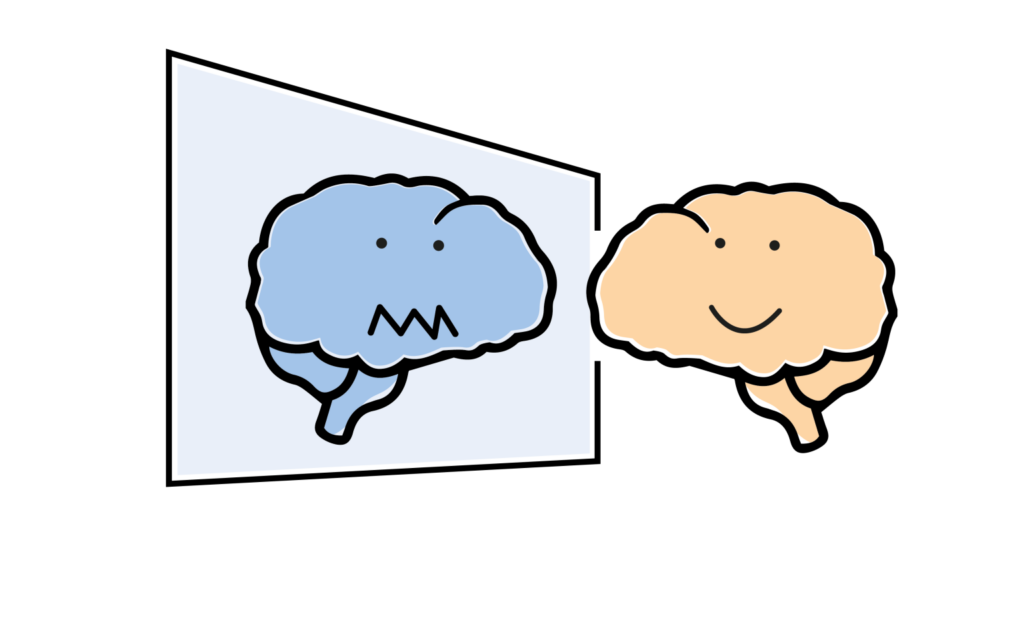
Emotional wellbeing plays a central role in how people think, feel, and act every day. In a fast-changing world filled with pressure, uncertainty, and constant demands, emotional wellbeing has become more important than ever for mental health. At Calm Minds Hub, the goal is to help people understand emotional wellbeing in simple, evidence-based ways that can be used in real life. When emotional wellbeing is supported, people feel more balanced, confident, and capable of handling stress, anxiety, and life challenges.
Emotional wellbeing is not about feeling happy all the time. Instead, it is about understanding emotions, managing them in healthy ways, and building resilience during difficult moments. This article explains why emotional wellbeing matters for mental health today, how it affects daily life, and what practical steps can help strengthen it over time.
Understanding Emotional Wellbeing and Mental Health
Emotional wellbeing refers to the ability to recognize, understand, and manage emotions in a healthy and balanced way. It also includes feeling connected to others, having a sense of purpose, and being able to cope with stress.
Mental health and emotional wellbeing are closely connected. Mental health includes emotional, psychological, and social wellbeing. When emotional wellbeing is strong, mental health is more stable. When emotional wellbeing is ignored, mental health challenges such as anxiety, depression, and chronic stress can become more intense.
Emotional Wellbeing Explained Simply
Emotional wellbeing can be compared to the foundation of a house. If the foundation is strong, the house can handle storms and heavy winds. If the foundation is weak, even small problems can cause damage. Emotional wellbeing works the same way. Strong emotional wellbeing helps people handle stress, setbacks, and change without feeling overwhelmed.
Key parts of emotional wellbeing include:
- Understanding emotions instead of ignoring them
- Expressing feelings in healthy ways
- Managing stress and anxiety
- Building positive relationships
- Maintaining self-respect and self-compassion
Why Emotional Wellbeing Matters in Today’s World
Modern life places many emotional demands on people of all ages. School pressure, work stress, financial concerns, social media, and global events all affect emotional wellbeing. When emotional wellbeing is not supported, mental health can suffer.
Increased Stress and Anxiety
Stress levels today are higher than ever. Many people feel rushed, overloaded, or constantly worried. Without emotional wellbeing skills, stress can build up and turn into anxiety or burnout. Emotional wellbeing helps people notice stress early and respond in healthier ways.
For example, a student who understands emotional wellbeing may notice feelings of pressure before exams and use calming strategies instead of panicking. This awareness protects mental health and improves performance.
Emotional Wellbeing and Daily Functioning
Emotional wellbeing affects how people handle everyday tasks. It influences decision-making, focus, motivation, and relationships. When emotional wellbeing is low, small problems may feel overwhelming. When it is strong, challenges feel more manageable.
People with healthy emotional wellbeing often:
- Communicate more clearly
- Solve problems more calmly
- Recover faster from setbacks
- Feel more hopeful about the future
The Connection Between Emotional Wellbeing and Physical Health
Emotional wellbeing does not only affect the mind. It also affects the body. Long-term stress and unmanaged emotions can lead to physical symptoms such as headaches, stomach problems, sleep issues, and weakened immunity.
How Emotions Affect the Body
When someone experiences ongoing stress or anxiety, the body stays in a state of alert. This can raise heart rate, blood pressure, and muscle tension. Over time, this strain affects physical health.
Good emotional wellbeing helps calm the nervous system. It supports better sleep, improved energy levels, and overall physical balance. This mind-body connection shows why emotional wellbeing matters so much for total health.

Real life.
Emotional Wellbeing and Relationships
Healthy relationships are a key part of emotional wellbeing. How people manage emotions affects how they connect with others. Poor emotional wellbeing can lead to misunderstandings, conflict, or withdrawal.
Building Stronger Connections
When emotional wellbeing is strong, people are better at listening, expressing needs, and showing empathy. This leads to healthier relationships at home, school, and work.
For example, someone who understands their emotions may say, “I feel overwhelmed today and need some quiet time,” instead of becoming angry or distant. This honest communication supports mental health and trust.
Emotional Wellbeing Across Different Life Stages
Emotional wellbeing is important at every age. Children, teenagers, adults, and older adults all face emotional challenges that affect mental health.
Emotional Wellbeing in Children and Teens
Young people are still learning how to understand and manage emotions. Strong emotional wellbeing helps them build confidence, cope with school stress, and develop healthy self-esteem.
Teaching emotional wellbeing early can:
- Reduce anxiety and behavioral problems
- Improve learning and focus
- Build lifelong coping skills
Emotional Wellbeing in Adults
Adults face responsibilities such as work, family, and finances. Emotional wellbeing helps balance these demands without feeling constantly overwhelmed. It also supports healthier coping during major life changes like job loss, illness, or relationship shifts.
Signs of Healthy Emotional Wellbeing
Emotional wellbeing looks different for everyone, but there are common signs that show it is strong and supported.
Signs may include:
- Feeling able to handle stress without panic
- Accepting emotions without judgment
- Bouncing back after difficult experiences
- Feeling connected to others
- Having a sense of purpose or meaning
Healthy emotional wellbeing does not mean life is perfect. It means emotions are managed in ways that protect mental health.
What Happens When Emotional Wellbeing Is Ignored
Ignoring emotional wellbeing can lead to long-term mental health challenges. Emotions that are pushed away do not disappear. Instead, they often show up as anxiety, anger, sadness, or physical symptoms.
Emotional Suppression and Mental Health
When people suppress emotions, they may appear fine on the outside but struggle internally. Over time, this can increase the risk of depression, anxiety disorders, and emotional exhaustion.
Emotional wellbeing encourages acknowledging feelings without shame. This openness creates space for healing and growth.
Practical Ways to Improve Emotional Wellbeing
Improving emotional wellbeing does not require drastic changes. Small, consistent steps can make a meaningful difference.
Daily Habits That Support Emotional Wellbeing
Simple habits that strengthen emotional wellbeing include:
- Taking short breaks to breathe and relax
- Getting enough sleep
- Eating balanced meals
- Staying physically active
- Limiting excessive screen time
These habits support both emotional wellbeing and mental health.
Emotional Awareness and Self-Reflection
Emotional wellbeing improves when people regularly check in with themselves. Asking simple questions like “How am I feeling today?” builds emotional awareness.
Journaling is one helpful tool. Writing about emotions helps clarify thoughts and reduces emotional pressure. This practice supports mental health by making emotions easier to understand and manage.
Building Emotional Coping Skills
Coping skills are tools that help manage difficult emotions. Healthy coping skills include:
- Deep breathing exercises
- Mindfulness or meditation
- Talking to a trusted person
- Creative activities like drawing or music
These skills protect emotional wellbeing during stressful moments.
Real-Life Example of Emotional Wellbeing in Action
Consider a working parent who feels overwhelmed by work and family responsibilities. Without emotional wellbeing skills, stress may turn into anger or withdrawal. With emotional wellbeing awareness, the person notices early signs of stress, sets boundaries, and asks for support. This reduces anxiety and improves mental health over time.
This example shows how emotional wellbeing turns awareness into action. Small changes create long-term benefits.
Emotional Wellbeing and Resilience
Resilience is the ability to recover from challenges. Emotional wellbeing builds resilience by teaching people how to process emotions instead of being controlled by them.
When emotional wellbeing is strong, setbacks become learning experiences instead of emotional breakdowns. This resilience supports mental health in both calm and difficult times.
The Role of Kindness and Self-Compassion
Self-compassion is a key part of emotional wellbeing. It means treating oneself with kindness during mistakes or struggles instead of harsh judgment.
People who practice self-compassion often experience:
- Lower anxiety
- Better emotional regulation
- Improved self-esteem
Kindness toward oneself supports long-term emotional wellbeing and mental health.
Emotional Wellbeing in a Supportive Environment
A supportive environment makes emotional wellbeing easier to maintain. Calm Minds Hub focuses on providing reliable, understanding, and practical mental health information. Feeling safe to learn and grow emotionally encourages positive change.
When people feel supported, they are more likely to care for their emotional wellbeing and seek help when needed.
The Long-Term Benefits of Emotional Wellbeing
Investing in emotional wellbeing has long-term benefits. It improves mental health, strengthens relationships, and enhances overall quality of life.
Long-term benefits include:
- Reduced risk of mental health disorders
- Greater life satisfaction
- Improved coping during change
- Stronger emotional intelligence
Emotional wellbeing is not a quick fix. It is a lifelong practice that grows with time and effort.
Conclusion: Why Emotional Wellbeing Truly Matters
Emotional wellbeing matters for mental health today because it shapes how people experience life, handle stress, and connect with others. In a world filled with challenges, emotional wellbeing acts as a protective shield for mental health. It supports balance, resilience, and inner strength.
By understanding emotions, building healthy habits, and practicing self-compassion, emotional wellbeing becomes stronger over time. Calm Minds Hub is committed to helping people learn these skills with kindness and clarity. When emotional wellbeing is prioritized, mental health becomes more stable, hopeful, and empowered. Stay updated and inspired—everything starts at our main site.
FAQs
What is emotional wellbeing in simple terms?
Emotional wellbeing means understanding and managing emotions in healthy ways. It includes coping with stress, expressing feelings, and maintaining balance for better mental health.
How does emotional wellbeing affect mental health?
Emotional wellbeing supports mental health by reducing stress, improving emotional control, and building resilience. Strong emotional wellbeing helps prevent anxiety and emotional burnout.
Can emotional wellbeing be improved at any age?
Yes, emotional wellbeing can be improved at any age. With awareness, healthy habits, and support, people can strengthen emotional wellbeing throughout life.