What is a Smog Test?
Definition and Purpose
A Smog Test is an emissions test designed to measure the pollutants emitted by a vehicle. The primary purpose of this test is to ensure that vehicles comply with state and federal environmental regulations. By checking the emissions levels, authorities aim to reduce air pollution and improve public health. The test evaluates various components of the vehicle's exhaust system, focusing on harmful substances such as carbon monoxide, nitrogen oxides, and hydrocarbons.
Importance for Vehicle Owners
For vehicle owners, understanding the significance of a smog test is essential. Failing to pass a smog test can lead to fines, the inability to register the vehicle, or, in some cases, a mandatory vehicle repair. Moreover, regular successful smog tests can enhance vehicle resale value and keep emissions under control, contributing to a cleaner environment. Many states tie smog checks to vehicle registration, making them mandatory for vehicle ownership.
Common Misconceptions
There are several misconceptions surrounding smog tests. One common myth is that only older cars need these tests. In reality, many states require emissions tests for all vehicles, regardless of age, particularly in urban areas where pollution levels are high. Another misconception is that passing a smog test guarantees the car is in good condition. While it does indicate compliance with emissions standards, it does not address other potential mechanical or safety issues that a vehicle may have.
Smog Test Requirements in Different States
Overview of Regulations
Smog test requirements vary widely across the United States. Some states enforce strict emissions regulations and frequent testing, while others have looser regulations or have eliminated smog tests altogether. States with the most stringent regulations often have high population density and pollution levels, like California or New York, where the need for cleaner air is a significant concern. In these states, smog tests can be required biannually or annually depending on the age and model of the vehicle.
State-Specific Requirements
Each state has its unique regulations governing smog tests. For example, California mandates a smog check every two years for most vehicles, with specific requirements for model years and vehicle types. Texas, on the other hand, requires smog tests in certain counties based on pollution levels but has exceptions for many newer vehicles. Understanding your state's requirements is crucial for compliance and scheduling tests appropriately.
Exceptions to the Rules
Exceptions to smog testing rules are common, particularly for certain vehicle types and ages. For example, electric vehicles are typically exempt from emissions tests. Antique cars, often defined as vehicles over 25 years old, may also be exempt in some jurisdictions. Additionally, if you own a hybrid or a vehicle that meets specific emission standards, you may qualify for exemptions or reduced testing frequency. Always check local laws for the most accurate and updated information regarding exemptions.
Preparing Your Car for a Smog Test
Checklist Before the Test
Preparation is key to successfully passing a smog test. Here’s a checklist to consider:
- Check engine lights: If your check engine light is on, it could indicate a problem that could cause a failure.
- Fluid levels: Ensure that oil and coolant levels are adequate.
- Fuel cap: A loose or damaged fuel cap can result in a failed test; make sure it is secure and in good condition.
- Battery condition: A weak battery can cause an emissions test failure; ensure it is fully charged.
- Tires: Properly inflated tires can improve performance and emissions.
Common Issues That Fail Tests
Several common issues can lead to failing a smog test. These include:
- Malfunctioning oxygen sensors: These sensors are crucial for determining the air-fuel ratio in the engine. A failure can lead to higher emissions.
- Fuel leaks: Any fuel leak can result in excess emissions and fail the test.
- Exhaust leaks: Similarly, a leak in the exhaust system can skew emissions readings.
- Poorly maintained spark plugs: Worn-out spark plugs can lead to incomplete combustion, increasing emissions.
Maintenance Tips for Success
Regular maintenance is crucial for ensuring that your vehicle passes smog tests. Routine oil changes, using high-quality fuel, and maintaining a clean air filter can significantly impact emissions. Additionally, taking your vehicle for a pre-test inspection at a certified mechanic can help identify any potential issues before the official test. Making these investments in vehicle maintenance not only helps with smog tests but also prolongs the life of your vehicle.
What Happens During a Smog Test?
Step-by-Step Process
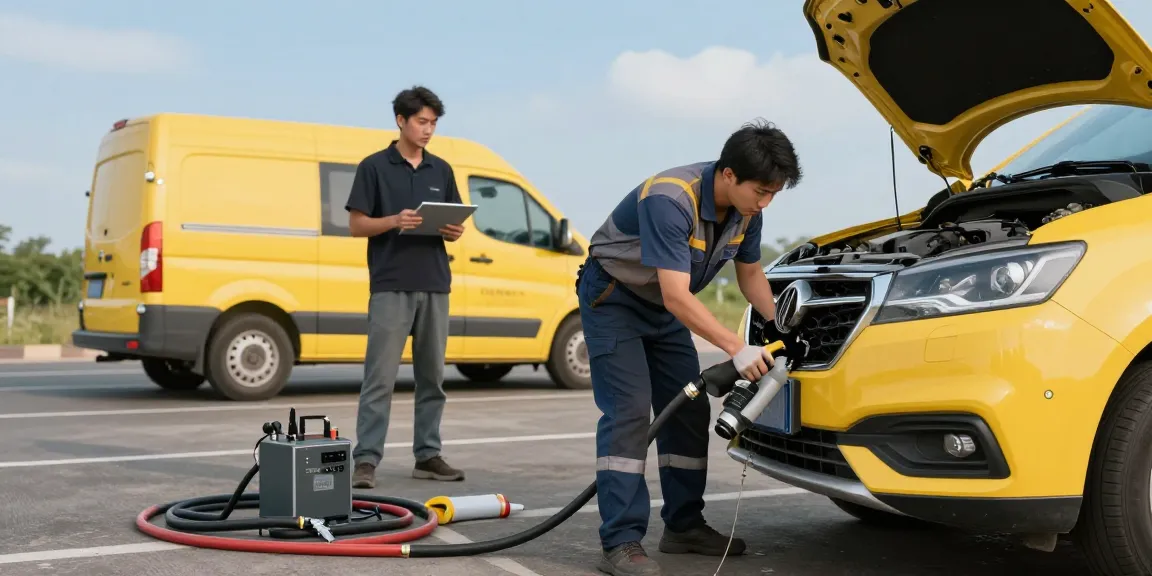
The smog testing process generally involves several key steps. First, the vehicle is brought into the testing facility, where a quick visual inspection is conducted to check for any obvious modifications or issues. Subsequently, the technician may perform an OBD-II (On-Board Diagnostics) scan on newer vehicles. This procedure checks whether the vehicle's emissions control systems are functioning correctly.
Following the OBD scan, a tailpipe test may be conducted, where the vehicle's exhaust is analyzed for specific emissions levels. Finally, the results are compiled into a report that indicates whether the vehicle passed or failed the test and, if applicable, recommends any repairs needed for compliance.
Testing Equipment Used
The equipment used during smog tests varies but generally includes OBD-II scanners, gas analyzers, and smoke testers to measure particulate emissions. OBD-II scanners are standard for vehicles post-1996 and provide instant information about the vehicle’s emissions system status. Gas analyzers evaluate the specific combustion gases present in the tailpipe emissions, while smoke testers identify visible leaks in the exhaust system. This combination of equipment ensures a thorough examination for compliance with emissions standards.
Understanding the Results
After completing the smog test, the results will clearly indicate whether the vehicle passed or failed. A passing result indicates compliance with emissions standards, allowing for vehicle registration or renewal. In contrast, a failed test will detail the specific reasons for failure, including the pollutants that exceeded acceptable levels. Understanding this feedback allows vehicle owners to address any mechanical issues effectively and retest their vehicle as needed.
Frequently Asked Questions about the Smog Test
FAQs Overview
Here are some frequently asked questions regarding smog tests to clarify common concerns:
What does a smog check entail?
A smog check is an emissions test assessing pollutants from a vehicle. It involves a visual inspection, OBD-II scan, and gas analysis to ensure compliance with environmental standards.
How often do I need to get a smog test?
The frequency of smog tests varies by state, typically every two years. Check local regulations as newer vehicles may qualify for longer intervals.
What if my car fails the smog test?
If your car fails, you’ll receive a list of required repairs. Once completed, you can bring the vehicle back for a retest, generally at no additional charge within a specified period.
Can I perform a DIY smog test?
While some vehicle diagnostics can be done at home, official smog tests require certification and specific equipment. It's best to visit a licensed facility for accuracy.
Are there exemptions to smog testing?
Yes, certain vehicles, such as electric cars or antiques over 25 years old, may be exempt from smog testing. Check your state’s regulations for specific criteria.