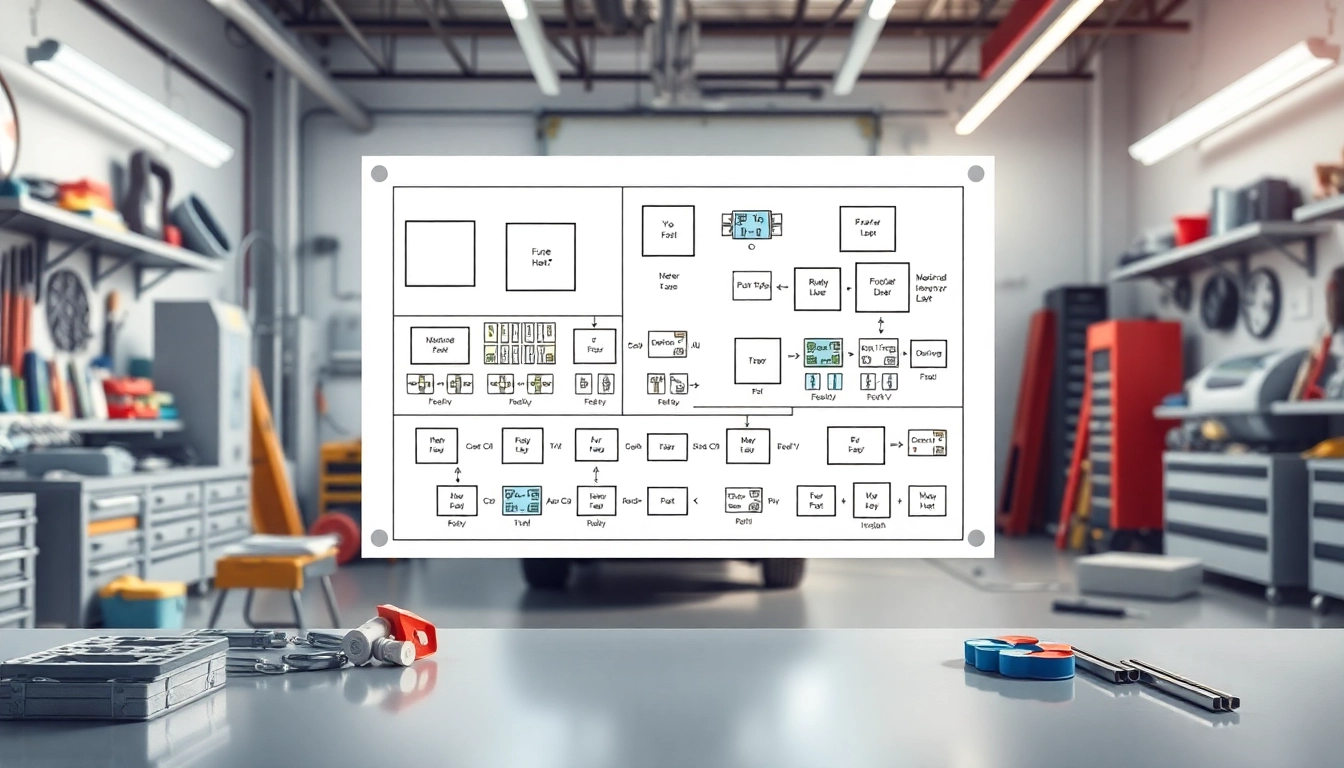
Introduction to Automotive Fuses and Relays
Understanding the components of an automobile is essential for both maintenance and safety. One crucial area that often goes unnoticed until problems arise is the electrical system, particularly automotive fuses and relays. These components play a vital role in the proper functioning of your vehicle, serving as protective devices against electrical failures and overloads. For an extensive guide on fuses and relays, you can visit https://bezpieczniki24.pl. In this article, we will explore the intricacies of automotive fuses and relays, their types, common issues, and essential maintenance practices.
What Are Automotive Fuses?
Automotive fuses are electrical devices designed to protect the vehicle's electrical circuit by breaking the circuit if the current exceeds a specified limit. These fuses prevent damage to the wiring and connected components by interrupting the circuit, usually when there is a short circuit or an overload. The melting of the fuse link stops the flow of electricity, thereby protecting critical components of the vehicle.
The Role of Relays in Vehicles
Relays are switches that utilize a low-power signal to control a higher power circuit. They function by opening or closing circuits in response to electrical signals, thus controlling devices like lights, motors, and fans. The use of relays allows for efficient management of current flow and helps to minimize the load on the vehicle’s electrical switches.
Importance of Proper Diagnoses
Diagnosing issues related to fuses and relays is crucial for maintaining vehicle safety and performance. Problems such as blown fuses or faulty relays can lead to malfunctioning systems, potentially putting drivers and passengers at risk. Therefore, awareness of how to identify and address these issues is paramount for every vehicle owner.
Types of Fuses Used in Cars
Blade Fuses and Their Applications
Blade fuses are one of the most commonly used types in automobiles. They feature a plastic body with two metal blades that fit into a holder. These fuses are typically color-coded according to their amperage rating, which simplifies the identification process for replacement. Blade fuses are widely utilized in various automotive electrical systems, including lighting, power accessories, and engine management systems.
Glass Tube Fuses: Features and Uses
Glass tube fuses are less common today but are still found in some older vehicles. They consist of a glass tube with a metal filament inside. When the current exceeds the allowed limit, the filament melts, breaking the circuit. Although they are effective, glass tube fuses can be more fragile, making them less desirable than modern blade fuses in many applications.
Comparison of Ceramic and Mini Fuses
Ceramic fuses have a similar design to glass tube fuses but are encased in ceramic, making them more durable and less prone to breakage. Mini fuses, on the other hand, are smaller and used in applications where space is limited, often found in newer model vehicles. The choice between these types hinges on the vehicle design and the specific application demands.
Common Issues with Car Fuses
Signs of a Blown Fuse
Identifying a blown fuse is essential for vehicle maintenance. Common signs include malfunctioning electrical components, such as lights that do not turn on, power windows that fail, or radios that stop functioning. A visual inspection of the fuse can also reveal damage; if the metal filament is broken or melted, the fuse needs replacement.
Diagnosing Fuse-Related Problems
To diagnose fuse-related problems effectively, start by checking the vehicle’s manual for the fuse box layout. This helps identify which fuse corresponds to a non-functioning component. Utilize a multimeter to test for continuity to determine if a fuse is operational. If multiple fuses are blown, this could indicate a more significant electrical issue requiring professional inspection.
Replacing a Faulty Fuse: Step-by-Step Guide
Replacing a faulty fuse is a straightforward task. Here is a step-by-step guide:
- Locate the fuse box by consulting your vehicle's manual.
- Identify the blown fuse using the fuse diagram in the manual.
- Remove the faulty fuse using a fuse puller or pliers.
- Install a new fuse of the same amperage, ensuring it fits snugly.
- Test the electrical component to verify that it functions correctly.
Relays: Understanding Their Functionality
How Relays Control Electrical Circuits
Relays operate by using an electromagnet to open or close the circuit. When the relay is energized, it allows current to pass through, thus powering the connected device. This functionality enables various automotive systems, such as headlights and cooling fans, to operate efficiently without direct control by complex switches.
Typical Relay Issues and Solutions
Common issues with relays include sticking mechanisms or failing to switch on. These problems can often be diagnosed by listening for audible clicks when the relay is energized. If there are no clicks, testing the relay with a multimeter can help determine if it is functional. Replacement of a faulty relay is usually simple and can restore proper circuit functionality.
Upgrading Relays for Improved Performance
Upgrading to high-performance relays can enhance the electrical efficiency of your vehicle. These relays are designed to handle higher current loads, reduce heat generation, and improve response times. When considering an upgrade, make sure that the new relay specifications align with your vehicle's electrical system requirements.
Preventative Maintenance Tips for Fuses and Relays
Routine Checks: What to Look For
Regular inspection of fuses and relays can prevent many electrical issues. Check for any signs of corrosion or burnt appearance on both fuses and relay terminals. Clean any corrosion with appropriate cleaning agents to ensure good electrical contact.
Best Practices for Fuse and Relay Care
To maintain the integrity of fuses and relays, follow best practices such as using fuses rated for specific circuits only. Avoid overloading circuits and the associated fuses to prolong their lifespan. When connecting accessories, using proper gauge wire and connectors will also help to mitigate unnecessary strain on the electrical system.
When to Seek Professional Help
While many fuse and relay issues can be resolved independently, serious complications may require professional intervention. If multiple fuses are blowing or if your vehicle experiences intermittent electrical failures, it's advisable to consult a qualified technician. They can perform thorough diagnostics to uncover underlying issues that may not be visible to the average vehicle owner.