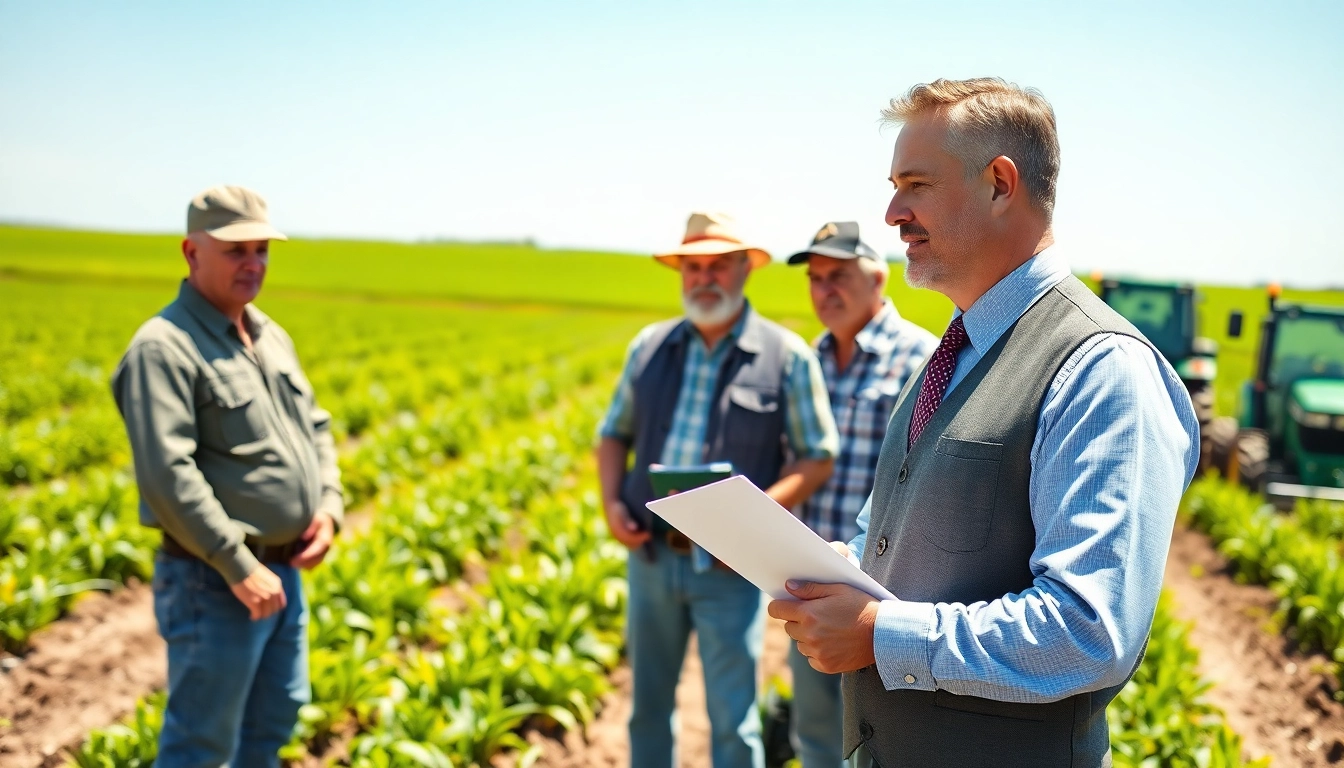
What is Agriculture Law?
Definition and Scope of Agriculture Law
Agriculture law encompasses the legal rules, regulations, and issues that pertain to farming and agricultural production. It serves as a critical framework for managing the various aspects of agricultural operations, including crop production, livestock management, agribusiness, land use, and environmental protection. At its core, agriculture law is designed to address the complexities of farming activities, which can be influenced by local policies, federal regulations, market conditions, and technological advancements. This multifaceted area of law extends to several vital components, including market access, property rights, food safety, and sustainable practices, making it a comprehensive field that is continually evolving.
Importance of Agriculture Law for Farmers
Understanding agriculture law is essential for farmers as it helps them navigate various legal requirements, ensuring compliance while maximizing operational efficiency. Knowledge of agriculture law allows farmers to protect their rights and interests, mitigate risks, and manage disputes that may arise. Issues such as contract enforcement, land leases, labor laws, and environmental regulations can significantly impact agricultural productivity and profitability. An adept understanding of these laws not only aids in avoiding penalties and litigation but also empowers farmers to advocate for their rights and interests in a complex economic landscape.
Common Legal Issues in Agriculture
Farmers often face a myriad of legal issues, including but not limited to:
- Land use disputes and zoning regulations
- Environmental compliance and regulations affecting water and soil quality
- Contractual disputes related to sales, leases, and supplier agreements
- Labor laws governing farmworkers and their rights
- Intellectual property rights concerning agricultural innovations and technologies
- Compliance with federal mandates such as the Food Safety Modernization Act (FSMA)
Farmers are more likely to succeed when they possess a clear understanding of these issues and seek legal assistance when necessary. Engaging with a knowledgeable legal team specializing in agriculture law can provide essential guidance in mitigating these common challenges.
Key Regulations Impacting Agriculture Law
Federal Laws Governing Agriculture
Federal laws play a significant role in shaping agriculture law in the United States. Key statutes include:
- The Farm Bill: A vital piece of legislation that governs an array of agricultural programs and policies, including support for farmers, food assistance programs, and rural development.
- The Food Safety Modernization Act (FSMA): This act emphasizes the importance of food safety and mandates preventive measures for foodborne illnesses.
- The Clean Water Act: This act regulates discharges of pollutants into the waters of the United States and establishes quality standards for surface waters.
- The Endangered Species Act: This act ensures that agricultural practices do not threaten endangered species or their habitats.
These laws set the standards for agricultural practices and compliance, influencing how farmers operate and interact with federal agencies.
State Regulations and Their Impact
In addition to federal regulations, states implement their own set of laws governing agriculture, which can vary significantly based on local resources and agricultural practices. State regulations may address:
- Water rights and irrigation practices
- Pesticide and herbicide application standards
- Land use planning and zoning laws affecting agricultural operations
- Animal welfare laws enforcing humane treatment of livestock
- State-specific environmental regulations
Farmers must remain informed about the state laws applicable in their jurisdiction and understand how these laws intersect with federal requirements.
Environmental Considerations in Agriculture Law
Environmental issues are integral to agriculture law due to the direct impact of farming practices on natural resources. Farmers must comply with regulations aimed at protecting the environment, such as mandates for sustainable farming practices, conservation initiatives, and pollution control measures. Compliance not only preserves the ecosystem but can also lead to incentives and support from government programs aimed at promoting environmentally-friendly practices.
Recent trends show a growing focus on sustainable agriculture, which emphasizes practices that preserve soil health, protect water sources, and reduce overall environmental impact. Understanding the intersection between agriculture law and environmental regulations is crucial for farmers aiming to enhance sustainability in their operations.
Legal Rights and Responsibilities of Farmers
Contracts and Agreements in Agriculture
Contracts form the foundation of numerous agricultural transactions and relationships. Farmers often enter into contracts for crop sales, equipment purchases, leasing land, or securing financing. Understanding the legal implications of these agreements and ensuring that contracts comply with relevant laws is crucial for minimizing disputes. It is imperative for farmers to seek legal counsel when drafting or reviewing contracts to safeguard their rights and interests.
Moreover, farmers must be aware that some contracts might contain clauses regarding liability, force majeure, or arbitration, influencing how disputes may be handled in the future.
Liability Issues and Risk Management
Farmers face various liability issues, including product liability, environmental harm, and worker safety. Comprehensive risk management strategies are essential for mitigating these liabilities. Key areas of focus should include:
- Insurance coverage: Farmers should explore various forms of insurance, such as crop insurance, liability insurance, and workers' compensation.
- Safety protocols: Implementing safety measures and training programs for workers can help minimize accidents and injuries.
- Legal compliance: Staying up-to-date with local and federal regulations ensures necessary protections are in place.
By proactively addressing these liability issues, farmers can protect their interests and maintain a sustainable business.
Intellectual Property in Agricultural Innovations
As agriculture continues to evolve with technology, understanding intellectual property (IP) rights becomes crucial for farmers and agribusinesses. Innovations in biotechnology, genetic engineering, and agricultural practices can offer significant advantages in productivity and efficiency. Farmers must protect their innovations through patents, trademarks, and copyrights, while also being aware of their rights concerning the use of patented technologies.
Engaging with legal experts in IP can help farmers navigate the complexities of patent laws and ensure that their innovations are safeguarded from infringements.
Conflict Resolution in Agriculture Law
Mediation vs. Litigation in Agricultural Disputes
Disputes in agriculture can arise from various sources, including contractual disagreements, land use conflicts, or liability claims. When conflicts occur, farmers must choose the right path for resolution: mediation or litigation. Mediation is often a preferred approach due to its lower costs and collaborative nature, allowing parties to work together towards a mutually beneficial solution. Conversely, litigation may be necessary when mediation fails, leading to a more formal court process.
Understanding the advantages and disadvantages of both methods can assist farmers in making informed decisions when conflicts arise.
Common Dispute Scenarios Among Farmers
Several common scenarios may lead to disputes among farmers or between farmers and other parties:
- Disagreements over land leases or property boundaries
- Conflicts related to water rights and usage
- Disputes arising from the sale and quality of agricultural products
- Labor disputes related to wages, working conditions, or safety violations
Recognizing these scenarios in advance can help farmers adopt appropriate preventative measures and understand the mechanisms available for resolution should disputes arise.
Finding the Right Legal Representation
Having legal representation experienced in agriculture law is paramount for farmers dealing with disputes or navigating compliance issues. Farmers should consider the following when selecting a legal representative:
- Experience in agriculture law: Look for attorneys who specialize in agriculture and understand the unique challenges and regulations affecting the industry.
- Reputation: Research the attorney's track record for success and client feedback.
- Accessibility: Ensure the attorney is approachable and responsive to inquiries and concerns.
- Fee structure: Understand the attorney's fee structure and any additional costs that may be incurred.
By choosing the right legal representation, farmers can safeguard their interests and navigate the complexities of agriculture law more effectively.
Future Trends in Agriculture Law
The Role of Technology in Agriculture Law
Technology is transforming the agriculture industry, leading to important changes in agriculture law. Innovations such as precision farming, biotechnology, and data analytics are reshaping agricultural practices, marketing, and risk management. This evolution comes with new legal challenges, including ensuring compliance with evolving regulations related to data privacy, intellectual property, and environmental regulations.
As technology continues to play a larger role in agriculture, legal professionals within this field must stay informed and adapt to these rapid changes while providing timely guidance to farmers and agribusinesses.
Impact of Climate Change on Agricultural Regulations
Climate change is influencing agricultural practices and regulations. Farmers are facing increasingly stringent regulations to combat environmental degradation, reduce greenhouse gas emissions, and promote sustainable farming practices. This necessitates a proactive approach to understanding and complying with evolving regulations at local, state, and federal levels.
Farmers may need to innovate their practices and operations in order to align with these new regulatory frameworks, which emphasize environmental sustainability and resource conservation.
New Developments and Legislation on the Horizon
As the agriculture sector grapples with rapidly changing regulations and technology, new legislative developments are continuously emerging. Farmers must remain engaged with local and national agricultural organizations that advocate for their interests and keep them informed about upcoming changes in legislation. Understanding new developments, such as updates to the Farm Bill and environmental laws, is critical for maintaining compliance and seizing opportunities for growth.
Regularly consulting with agricultural lawyers and participating in industry advocacy can help farmers stay ahead of regulatory changes that may impact their operations.
In conclusion, agriculture law is a vital element of the agricultural industry, providing a roadmap for farmers to navigate the complexities of legal compliance, rights, responsibilities, and emerging challenges in a rapidly evolving landscape. By understanding the intricacies of agriculture law and engaging with qualified legal representation, farmers can protect their interests, enhance their operations, and contribute to the sustainable future of agriculture.