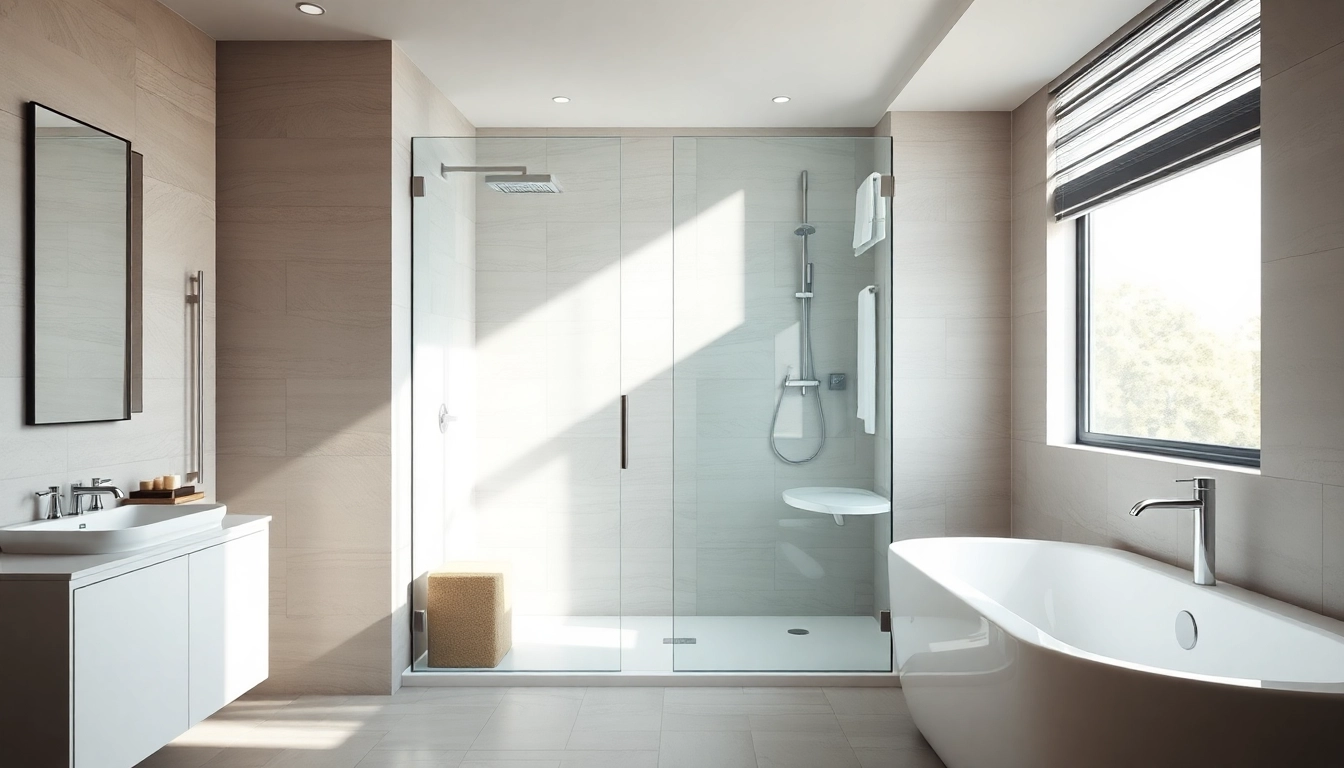
Understanding Different Styles of Shower UK
Choosing the perfect shower is essential for enhancing your bathing experience, and the variety of options available in the shower uk market ensures that every homeowner can find something suitable. Understanding these styles will help you make an informed decision.
1. Electric Showers
Electric showers are among the most popular choices in the UK, particularly for their efficiency and ease of installation. They function by heating water on-demand, meaning you can enjoy a hot shower even if your hot water tank is empty. This on-demand heating system is ideal for small bathrooms where space is limited.
When selecting an electric shower, consider the power rating, usually between 8.5kW and 10.5kW. A higher power rating will provide a stronger flow of hot water. Notable features often include adjustable settings for temperature and spray patterns. These showers also tend to be more energy-efficient, as they only heat water when you need it, reducing energy wastage.
2. Mixer Showers
Mixer showers combine hot and cold water supplies to deliver a consistent water temperature. They are incredibly versatile and can be installed in most homes. This type is perfect for households that already have a hot water system, as they utilize the existing tank.
When choosing a mixer shower, homeowners have two main choices: manual and thermostatic. Manual mixers require you to adjust the temperature manually, while thermostatic mixers automatically regulate the temperature, providing a safer option by preventing sudden temperature changes. Consider the water pressure in your home, as certain mixer showers may need a higher pressure to function effectively.
3. Digital and Smart Showers
Digital and smart showers represent the forefront of shower technology, offering precise temperature control and programmable settings. These high-tech options can be controlled via a smartphone or smart home device, allowing you to customize your shower experience from anywhere in your home.
With the integration of advanced features such as timers, water-saving settings, and pre-set temperature preferences, digital showers are perfect for modern bathrooms. They can also display water usage, helping users to monitor and reduce their water consumption. While offering a luxurious feel, they may require an investment in both setup and maintenance.
Choosing the Right Shower for Your Bathroom UK
Making the right choice regarding shower installation involves several considerations beyond just preference. It requires an understanding of your space, style, and budget to find the perfect match.
1. Space Considerations
Before selecting a shower, assess the available space in your bathroom. For smaller areas, an electric shower might be the right solution, as it requires less plumbing work and can be mounted on the wall with ease. Alternatively, for more generous spaces, a luxurious mixer or digital shower could enhance your bathing experience.
Also, think about the type of shower enclosure or tray needed, as this will affect both the style and functionality of your shower. Walk-in showers are gaining popularity for their spaciousness and modern aesthetic, while traditional cubicles function efficiently for tighter spaces.
2. Design Aesthetics
Your shower should complement your bathroom's overall design and aesthetics. Whether you favor a contemporary look or a rustic vibe, the style of the shower unit is essential. Modern showers often feature clean lines and polished finishes, while traditional showers may boast vintage styles and intricate designs. Choose materials and colors that harmonize with your existing decor, creating a cohesive look.
3. Budget-Friendly Options
Budget is a critical factor when choosing the right shower. Electric showers are generally more affordable in terms of initial investment and installation costs. However, it is essential to consider long-term operational costs related to energy usage. Mixer showers can be slightly more expensive but offer durability and flexibility. Research various price ranges and choose a shower that meets your needs without compromising on quality.
Installation Tips for Shower UK
Installing a new shower can be a challenging but rewarding task. A well-planned installation ensures longevity and consistent performance. Understanding the process, tools required, and potential challenges is crucial for success.
1. DIY vs. Hiring a Professional
Homeowners must decide whether to take the DIY route or hire a professional plumber. If you have experience with plumbing and basic installation, a DIY installation can save you money. However, employing a skilled tradesperson guarantees that the installation is completed to the highest standard, with less risk of leaks or future issues.
2. Essential Tools Required
Should you opt to install the shower yourself, having the right tools is essential. The basic tools required include:
- Adjustable wrench
- Screwdriver set
- If required, pipe wrenches
- Drill with appropriate bits
- Tape measure
- Level
- Plumber's tape
Equipping yourself with these tools will facilitate a smoother installation process.
3. Step-by-Step Installation Guide
Here's a simplified procedure for installing a typical shower:
- Turn off the water supply before beginning.
- Remove any old shower fittings.
- Install the shower valve according to the manufacturer's instructions.
- Attach the water supply pipes to the valve, ensuring tight connections.
- Mount the showerhead and control panel securely.
- Turn on the water supply, checking for leaks before closing the wall around the shower.
Following these steps closely can ensure a successful installation.
Maintenance and Care for Your Shower UK
Once you have installed your shower, maintaining it properly is essential for its longevity and functionality. Routine care enhances your shower experience and minimizes costly repairs down the road.
1. Regular Cleaning Routines
Establishing a regular cleaning routine can prevent soap scum, mildew, and limescale build-up. A simple solution of vinegar and water can effectively reduce these issues when sprayed on surfaces and rinsed after a few minutes. Additionally, use a squeegee after each shower to minimize water spots on glass doors and fixtures.
2. Troubleshooting Common Issues
Being able to identify and rectify common shower problems can save you significant time and money. Issues such as low water pressure or inconsistent temperature can often be traced back to clogged pipes or showerheads. Regularly cleaning filters and ensuring that plumbing systems are free from blockages can help maintain consistent performance.
3. Ensuring Longevity of Fixtures
To extend the life of your shower components, consider replacing worn-out parts promptly instead of neglecting minor issues. Regular checks on seals and grout can prevent leaks and further damage. Investing in high-quality fixtures and fittings can also minimize wear and tear over time, ensuring that your shower remains a reliable feature in your bathroom.
FAQs about Shower UK
1. How do I choose the best shower for my needs?
Consider factors like water pressure, space availability, style preferences, and budget when selecting the best shower.
2. Are electric showers energy-efficient?
Yes, electric showers heat water on demand, which can significantly reduce overall energy consumption compared to traditional systems.
3. Can I install a shower myself?
DIY installation is feasible for those with plumbing experience, though hiring a professional is ideal for ensuring no leaks develop.
4. How often should I clean my shower?
A monthly deep clean is recommended to prevent mold growth and maintain overall hygiene in your shower area.
5. What are the advantages of digital showers?
Digital showers offer precise temperature control, programmable settings, and can be integrated with smart home systems for convenience.