Understanding Your Plumbing System
Your plumbing system plays a crucial role in the comfort and functionality of your home. From delivering fresh water to expelling wastewater, understanding how your plumbing works is key to maintaining it effectively. Knowing the essential components and common issues can empower homeowners to take better care of their plumbing systems. Here's an in-depth look at what makes up a home plumbing system.
Components of a Home Plumbing System
The plumbing system comprises several components, each crucial to its overall operation:
- Water Supply Pipes: These pipes carry fresh water from the main supply into your home. They are typically made of copper, PVC, or PEX.
- Drainage Pipes: Wastewater is removed through drainage pipes, often made of cast iron or PVC. They require a proper slope to ensure effective drainage.
- Fixtures: Sinks, toilets, showers, and tubs fall under this category, connecting to supply lines and drainage pipes. Each fixture has its own requirements for installation and maintenance.
- Water Heater: This system heats water for use throughout the home, utilizing gas or electric energy. Regular maintenance is essential for efficiency.
- Pumps: In some homes, pumps are necessary to move water from lower levels to higher ones, especially in basements.
Common Plumbing Issues
Homeowners often encounter plumbing issues that can disrupt their daily routines. The most common problems include:
- Leaky Faucets: A leak not only wastes water but can also increase your water bill.
- Clogged Drains: Hair, grease, and debris can block drainage systems, leading to slow drainage or backflow.
- Running Toilets: This issue causes water wastage and can often be fixed by replacing faulty parts inside the tank.
- Low Water Pressure: Several factors, including pipe corrosion or leaks, can lead to decreased water pressure.
- Water Heater Problems: Issues can range from inadequate heating to leaks, often requiring professional intervention.
Importance of Regular Maintenance
Regular plumbing maintenance can save homeowners from costly repairs down the line. Here are key reasons why upkeep is crucial:
- Prevention of Major Problems: Routine checks can identify potential issues before they escalate, saving money and hassle.
- Increased Lifespan of Components: Maintaining pipes and fixtures helps extend their life, ensuring that you don’t have to replace them often.
- Efficiency: Well-maintained systems work more efficiently, keeping your utility bills lower.
- Health and Safety: Plumbing issues can lead to mold and unsanitary conditions; regular maintenance mitigates these risks.
When to Call a Plumber
Even the most seasoned DIYers can find themselves in situations where professional help is necessary. Understanding when to call a plumber can save you time, effort, and potential damage to your home.
Signs You Need Professional Help
Identifying when a plumbing problem exceeds a simple DIY fix is essential. Here are key signs that indicate it's time to call a plumber:
- Persistent Leaks: If a leak comes back after attempting to fix it, professional help is critical to find and fix the source.
- Multiple Clogged Drains: When several drains are clogged, it could signify a bigger issue within the main drainage line.
- Unresponsive Fixtures: If fixtures are not delivering water or are making strange noises, this indicates a deeper plumbing issue.
- Wet Spots on Walls or Ceilings: This could mean a hidden leak, which may lead to significant damage if not addressed immediately.
- Backup in Toilets or Drains: Frequent backups can imply serious sewage line issues, requiring immediate attention.
Emergency Situations
Some plumbing emergencies require immediate attention to prevent severe damage or threat to health. Here are situations that necessitate an emergency call:
- Major Pipe Burst: A broken pipe can flood your home rapidly; shut off your main water supply and call a plumber immediately.
- Sewage Backup: This can cause hazardous conditions in the home. Always seek professional help in such situations.
- No Water Supply: If you’re without water and cannot identify the cause, it warrants a professional's quick response.
- Water Heater Leaks: This can lead to extensive water damage and should be addressed without delay.
- Gas Line Issues: If you suspect a gas leak, evacuate the area and contact a professional immediately.
How to Choose the Right Plumber
Choosing a reliable plumber is fundamental for any plumbing needs. Here are essential steps to ensure you select the right professional:
- Check Credentials: Verify if the plumber is licensed, insured, and has the necessary certifications.
- Read Reviews: Customer testimonials can provide insight into the plumber’s reliability and quality of work.
- Ask for Estimates: Get detailed estimates from multiple plumbers, ensuring the breakdown is clear and reflects total costs.
- Experience: Look for a plumber with experience in handling the specific issues you're facing.
- Customer Service: Opt for someone who communicates effectively and is responsive to your questions and concerns.
DIY Plumbing Tasks You Can Handle
Many plumbing tasks can be handled safely with some basic knowledge and right tools. Here are some manageable DIY jobs for homeowners:
Fixing Leaky Faucets
Leaky faucets are not only annoying, but they also waste water. Here’s how you can fix one:
- Turn off the water supply and plug the drain.
- Remove the handle by unscrewing it and taking off the decorative cap.
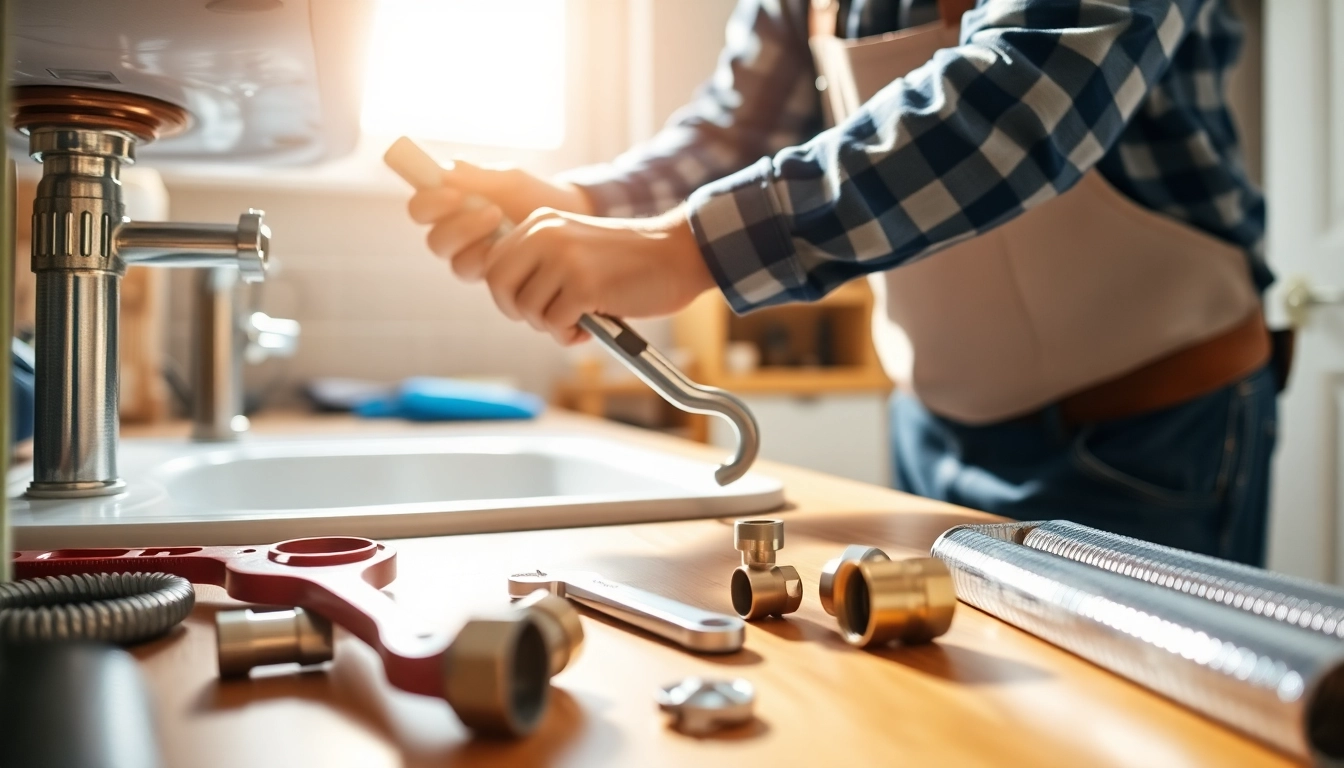
- Check the O-ring or washer—replace if worn out.
- Reassemble and turn the water back on to check for leaks.
Clearing Clogs Safely
Clogs can often be resolved without harsh chemicals. Here are safe methods to clear drains:
- Use a plunger effectively, ensuring it covers the drain completely.
- Utilize a drain snake to reach deeper blockages.
- For an organic fix, pour baking soda and vinegar down the drain, followed by hot water.
Simple Pipe Repairs
Sometimes, minor pipe issues such as small leaks can be repaired without substantial effort. Here’s how to manage that:
- Identify the leak location and dry the area properly.
- Apply pipe repair tape or putty to the affected area considering the severity.
- For more extensive damage, consider replacing the segment of the pipe.
Preventative Measures to Avoid Future Issues
Prevention is always better than cure when it comes to plumbing issues. Here’s how you can maintain your plumbing system effectively:
Daily Habits to Maintain Plumbing
Establishing good daily habits can prevent many plumbing problems. Here are some actions you can take:
- Always use strainers in sinks to catch food and debris.
- Limit the disposal of grease and oil down the drain.
- Run hot water periodically through your disposal to clear any buildup.
- Inspect for leaks regularly in visible pipes.
Seasonal Plumbing Checks
Seasonal checks can highlight potential issues. Here’s a quick checklist:
- Winter: Insulate pipes in unheated areas to prevent freezing.
- Spring: Check for leaks and inspect irrigation systems.
- Summer: Examine water regulators and the water heater for efficiency.
- Fall: Clear gutters and downspouts; inspect for blockages or leaks.
Products That Help Prevent Clogs
Several products can help maintain plumbing integrity. Consider incorporating the following:
- Drain Strainers: Use these in sinks and tubs to prevent hair and debris from entering the pipes.
- Biological Drain Cleaners: Safe for pipes, they use natural bacteria to digest organic material.
- Pipe Insulation: Helps to maintain temperature within pipes, reducing the risk of freezing.
- Grease-Catching Devices: For kitchens, these can significantly reduce grease buildup in drains.
Frequently Asked Questions
How often should I inspect my plumbing?
Inspect your plumbing at least once a year for issues like leaks or corrosion. Locating problems early can save money.
What can I do to prevent clogs?
Use strainers, avoid flushing inappropriate items, and regularly clean drains to keep your plumbing clear.
How do I know if my pipes are frozen?
If you experience low water pressure or discolored water, you may have frozen pipes. Act quickly to resolve the issue.
Can I use chemical drain cleaners?
While they can be effective, frequent usage may damage pipes. Consider safer alternatives for regular maintenance.
What should I do during a plumbing emergency?
Shut off the main water supply and call a plumber immediately to prevent further damage to your property.