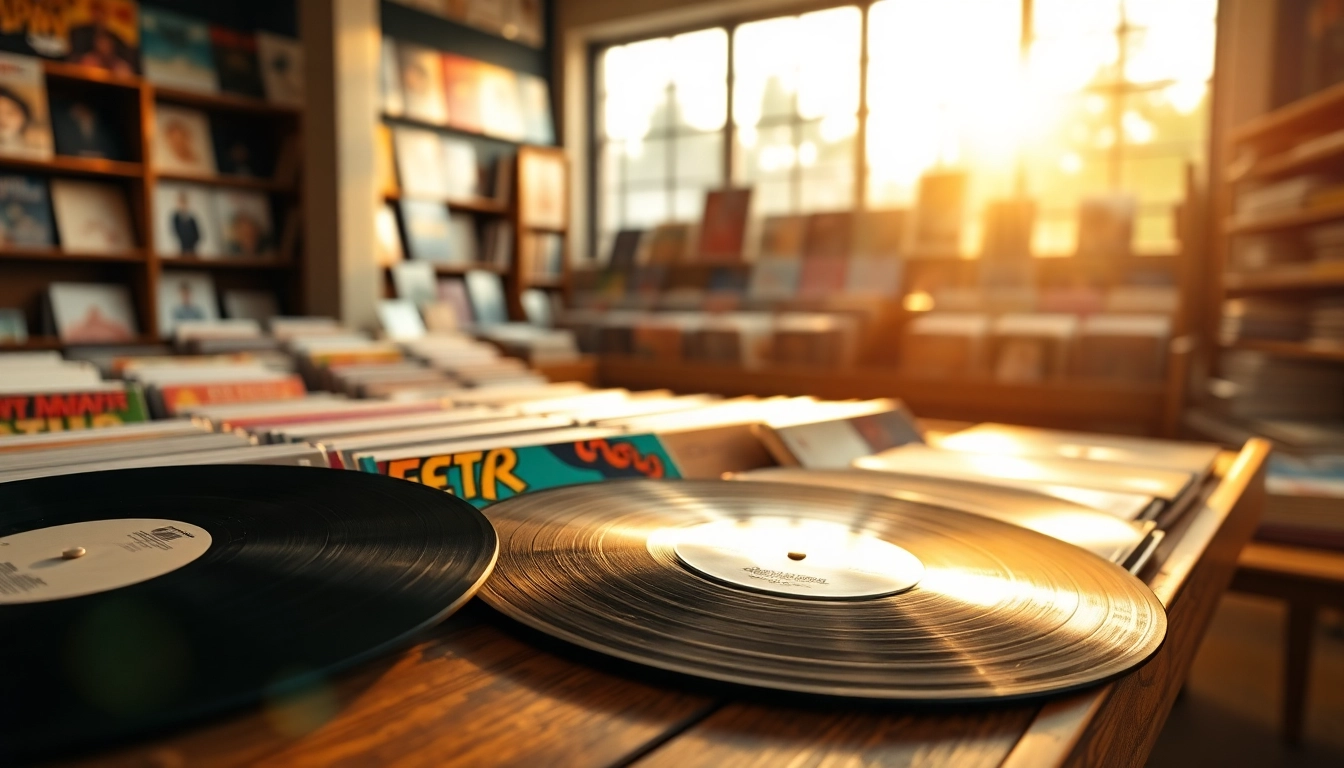
Understanding lp Records
In recent years, there has been a significant resurgence in the popularity of lp records. From audiophiles to casual listeners, many are rediscovering the warm, rich sounds that only vinyl can offer. Let's delve deeper into what lp records are, their history, how they are made, and their evolution over the decades.
The History of lp Records
The history of lp records is a fascinating journey that spans more than a century. The inception of the lp record can be traced back to the early 20th century when the first commercial phonograph records were created, primarily made of shellac and played at 78 revolutions per minute (rpm). However, these early records had significant limitations, such as shorter playtime and poor sound quality.
In 1948, Columbia Records revolutionized the music industry by introducing the first long-playing record, the 33 1/3 rpm vinyl. This format allowed for up to 30 minutes of playback per side, which was a game-changer for both artists and listeners. The format quickly gained popularity, leading to a flourishing era of music production where entire albums could be conceptualized and produced in a cohesive manner.
How lp Records Are Made
The manufacturing process of lp records is an art form that combines technology and craftsmanship. It begins with creating a master tape from which the final record will be produced. This master tape is meticulously crafted to ensure the best sound quality, capturing the nuances of the music.
Once the master tape is finalized, a lacquer disc is cut. This involves a cutting lathe that carves grooves into the lacquer surface, which will record the sound waves of the audio. After the lacquer disc is completed, it undergoes a process called electroplating to create metal stampers. These stampers are used in the pressing process, where heated vinyl is forced into the molds, forming the actual lp records. Finally, they are labeled, packaged, and shipped to retailers and collectors alike.
The Evolution of lp Records
Since their inception, lp records have undergone numerous changes and improvements. The early vinyl records were susceptible to warping and scratches, but advances in vinyl technology have led to the production of sturdier, more durable records. Moreover, the rise of digital music in the 21st century posed a challenge to lp records, yet the nostalgic appeal combined with a growing appreciation for analog sound has led to a vibrant revival.
Today, artists are releasing new albums on vinyl, and special limited editions often feature colored or uniquely designed records, appealing to both collectors and casual listeners. This has established lp records not only as a medium for music consumption but also as an art form representing cultural identity and musical legacy.
Why Choose lp Records?
Though digital music has become ubiquitous, there are compelling reasons to choose lp records. The distinct sound quality, physical appeal, and emotional connection to music are only a few reasons that are driving more people toward vinyl collecting.
The Unique Sound Quality of lp Records
One of the most cited advantages of lp records is their unique sound quality. Vinyl records are known for their analog warmth, which provides a richer and fuller sound compared to digital music formats. The grooves of an lp capture not just the melodic elements of a song but also the subtleties of the performance, including nuances in vocal delivery and instrumentation.
Audio enthusiasts often argue that the dynamic range of vinyl allows for a greater depth and character in sound. While digital formats compress audio files to save space and bandwidth, lp records preserve the full range of frequencies, given the necessity of high-quality playback equipment.
Physical and Aesthetic Appeal of lp Records
Beyond the auditory experience, lp records also offer a physical and aesthetic dimension. The large album covers serve as a canvas for creative expression, allowing artists to curate an entire visual experience to accompany their music. From stunning artwork to engaging liner notes, lps provide a tactile experience that digital formats simply cannot replicate.
Collecting lp records often comes with a sense of ritual, whether it’s the act of carefully selecting an album, the process of setting up the turntable, or the communal experience of sharing music with others. This ritualistic quality enhances the emotional connection listeners feel toward their music collection.
Vinyl Collecting: A Growing Trend
Vinyl collecting has evolved from a niche hobby into a mainstream trend, continuously growing in popularity. People are gathering records for various reasons—nostalgia, the allure of collecting, or the unique enjoyment of listening to music fully immersed in a physical format. Social media and online communities have made it easier for collectors to share their finds, advice, and experiences.
Special editions, colored vinyl, and exclusive pressings have also contributed to the vinyl resurgence. Collectors eagerly seek out unique records that not only serve as a medium for music but also as a form of investment, with some records appreciating significantly in value over time.
How to Start Your lp Records Collection
If you're considering diving into the world of lp records, there are a few key aspects to consider that will enhance your journey as a collector. From selecting your first lp records to maintaining them, we’ll explore essential steps to begin your collection.
Selecting Your First lp Records
Starting a collection can be daunting, but focusing on what resonates with you musically can make the process enjoyable. Start with artists whose music you already know and love. Exploring classic albums that have stood the test of time can also provide a strong foundation for your collection.
Visiting local record shops provides not only access to a diverse selection of albums but also the opportunity to engage with fellow vinyl enthusiasts who can offer recommendations. Additionally, online marketplaces frequently host sales where you can find new and used lp records, including rare gems.
Maintaining and Caring for lp Records
Proper maintenance is crucial to preserving the longevity and sound quality of your lp records. Always handle records by the edges to minimize fingerprints and avoid contaminating the grooves. Regular cleaning with a soft, anti-static brush can remove dust and debris, ensuring your records play with optimal clarity.
Investing in a high-quality turntable and speakers is also vital in protecting your collection; a poorly calibrated turntable can cause considerable wear on records. Additionally, storing your lp records upright, away from heat sources and direct sunlight, will help prevent warping and damage.
Finding Rare and Valuable lp Records
The thrill of searching for rare lp records is one of the most enjoyable aspects of collecting. There are many venues where collectors can search for valuable records, including thrift shops, garage sales, and estate sales. These places sometimes offer hidden gems at affordable prices.
Online platforms and auction sites also provide opportunities to find rare albums, though it’s key to research the condition and validity of what’s being sold. Building relationships with local record store owners can also yield insider knowledge about upcoming releases or collections being sold.
Listening Experience with lp Records
The listening experience provided by lp records can be vastly different compared to digital formats, as it requires a more active and engaging approach. Understanding how to optimize this experience will enhance your enjoyment of the music.
The Importance of Quality Turntables
A quality turntable is the heart of any lp record setup. Investing in a good turntable can make a significant difference in sound quality, and while many entry-level models are available, audiophiles often recommend spending a little more for improved sound reproduction and longevity.
Look for features such as a reliable motor, a good tonearm, and adjustable settings that allow you to tailor the playback to your records. The cartridge and stylus also play a critical role in sound fidelity, and higher-quality options can vividly capture the nuances present within the grooves of your records.
Set Up for Optimal Sound
Setting up your listening environment for optimal sound quality is essential. Position your turntable on a stable surface away from vibrations that can disrupt playback. Consider room acoustics; carpets and furniture can absorb sound while hard surfaces may cause echoes.
Additionally, investing in decent speakers matching your listening space will enhance audio clarity and depth. Testing various setups and placements will help you find the best sound experience tailored to your particular preferences.
Types of Music Best Suited for lp Records
While lp records can play any genre, certain types of music tend to resonate more with vinyl enthusiasts. Classic rock, jazz, and blues are often cited as genres that particularly shine on vinyl due to their rich, layered sound compositions.
Moreover, records with vibrant production—like classic analog recordings—tend to benefit significantly from the lp format, bringing the full weight of the creators’ vision to life. Engaging with a diverse range of genres can provide a broad appreciation of how different music is captured via vinyl.
The Future of lp Records
As we move forward, the future of lp records appears promising, with a blend of traditional quality and modern innovation shaping the landscape of vinyl music consumption.
Trends in the Vinyl Market
The vinyl market is poised for continuous growth, driven by factors such as the resurgence of interest in analog sound and a commitment to the physical ownership of music. New artists are increasingly releasing music on vinyl, and record labels are beginning to prioritize limited editions and creative packaging that appeal to collectors.
Moreover, pop-up record shops and vinyl fairs have gained popularity, offering music lovers a community experience centered around the love of lp records. This trend is leading to a vibrant culture focused on music discovery and reinterpretation.
The Impact of Digital Music on lp Records
While digital music continues to dominate due to convenience, it has also encouraged a greater appreciation for the tactile experience of lp records. Many people who grew up with digital music are now exploring vinyl as a way to connect more deeply with music.
Curators are creating playlists and collections that highlight the advantages of analog sound, making it accessible to a digital-savvy audience interested in the depth and quality that lps offer.
Revival of lp Records in Modern Culture
The revival of lp records goes beyond just music; it reflects a broader cultural movement towards authenticity, craftsmanship, and nostalgia. In an era dominated by instant gratification, the slow and intentional experience of listening to an lp is increasingly valued.
As more people recognize the artistry involved in both the music and the physical format, the appreciation for lp records will likely continue to grow. This cultural resurgence invites both new listeners and seasoned collectors to engage in the deep, multifaceted experience that vinyl provides.