
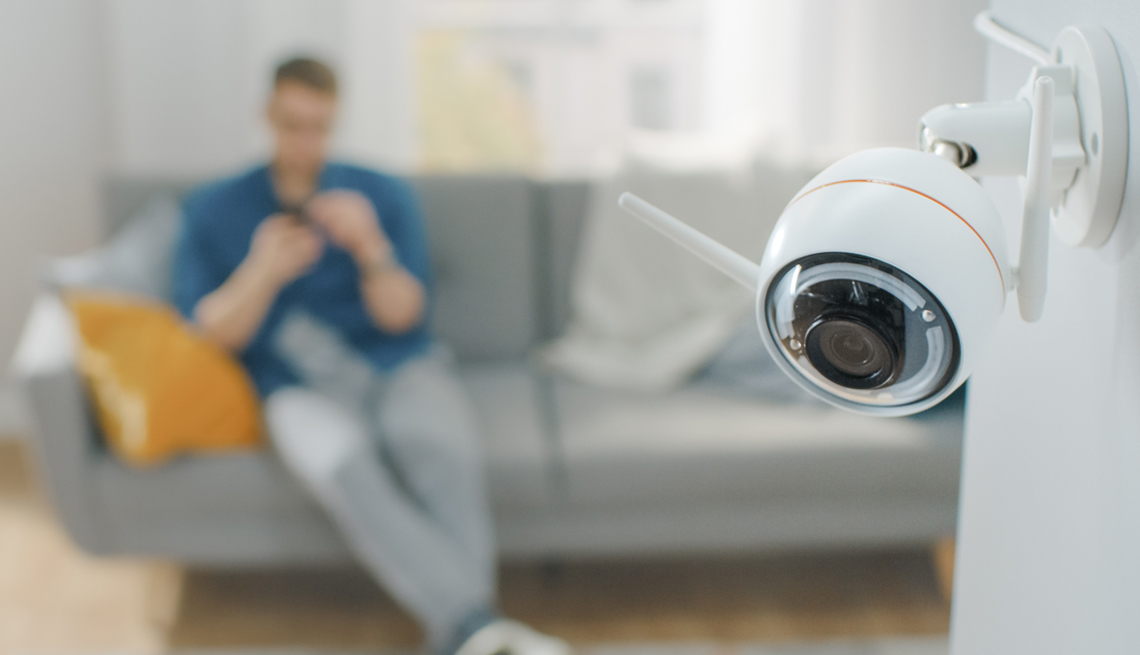
In today’s fast-paced world, keeping your home or business safe is more important than ever. Security systems have evolved from simple alarms to sophisticated smart devices that offer real-time monitoring, alerts, and automation. With so many options available, understanding how modern Security Systems work and what features to look for can make a big difference in your safety.
Understanding Security Systems
What Are Security Systems?
Security systems are a combination of devices and services designed to protect property and people. They include sensors, cameras, alarms, and monitoring services that detect unauthorized access or emergencies.
For example, a basic security system might include a door sensor that triggers an alarm when someone opens a door without authorization. Advanced systems integrate smart technology, allowing homeowners to control their system remotely through a smartphone app.
Importance of Security Systems
Having a security system provides peace of mind. It can prevent burglaries, detect fires, monitor environmental hazards, and even alert authorities automatically. Studies show that homes with security systems are less likely to be targeted by criminals because the risk of getting caught is higher.
Types of Security Systems
Monitored Security Systems
Monitored security systems connect to a professional monitoring center that operates 24/7. When an alarm is triggered, trained personnel evaluate the situation and notify homeowners or emergency services.
For instance, if a smoke detector detects fire, the monitoring center can immediately call the fire department while alerting you on your phone. This level of responsiveness can save lives and property.
Self-Monitored Security Systems
Self-monitored systems send alerts directly to your smartphone. While they provide instant notifications, it is your responsibility to contact authorities if an incident occurs. These systems are generally less expensive and suitable for people who are always available to respond quickly.
Smart Features in Modern Security Systems
Remote Access and Control
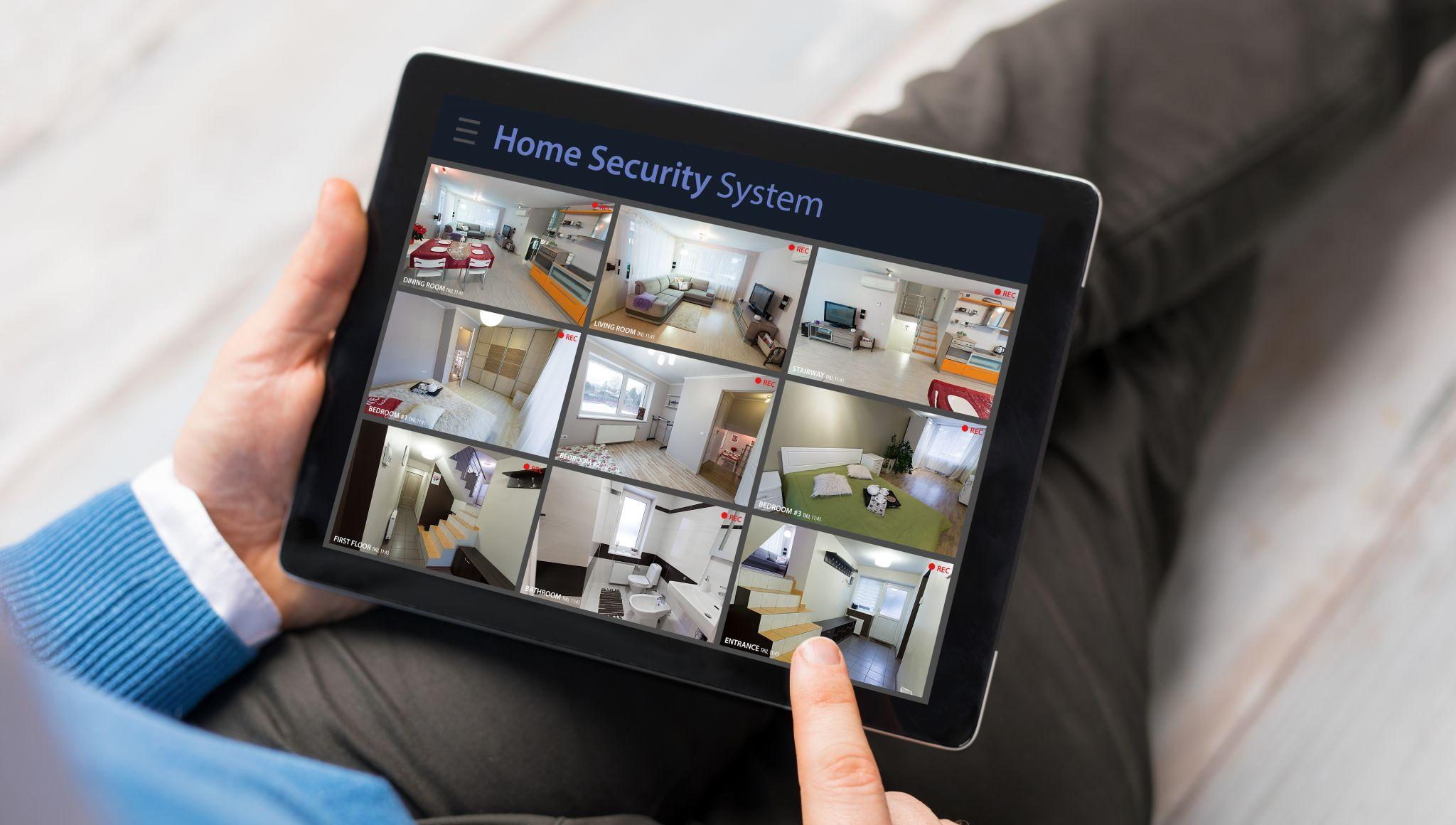
One of the main advantages of modern security systems is remote access. Through mobile apps, you can check live camera feeds, lock doors, or adjust sensors from anywhere in the world.
For example, if you’re on vacation, you can ensure your home is secure by checking your front door camera and receiving instant alerts if any suspicious activity is detected.
Automation and Integration
Many security systems integrate with smart home devices, such as lights, thermostats, and door locks. Automation can make your home appear occupied even when it’s empty.
For instance, lights can turn on automatically at dusk, or your thermostat can adjust based on your presence. Integration with voice assistants like Alexa or Google Home allows seamless control using simple voice commands.
Key Components of Security Systems
Cameras and Video Surveillance
Cameras are essential for both deterrence and evidence collection. Modern cameras offer high-definition video, night vision, and motion detection.
A real-life example is a family who installed cameras around their home. When a package thief tried to take a delivery, the cameras recorded the event, and the footage helped the police identify the culprit quickly.
Sensors and Detectors
Sensors detect unauthorized entry or hazardous conditions. Common types include:
- Door and Window Sensors: Trigger alarms when a door or window is opened.
- Motion Sensors: Detect movement inside or outside the property.
- Smoke and Carbon Monoxide Detectors: Alert homeowners and monitoring centers to potential dangers.
Control Panels and Mobile Apps
Control panels serve as the hub of a security system, while mobile apps allow remote monitoring and control. Modern apps provide push notifications, event history, and system customization, ensuring you are always informed.
Choosing the Right Security System
Assessing Your Needs
The best security system depends on your specific requirements. Consider the following:
- Size and layout of your property
- Level of monitoring you need (professional or self-monitored)
- Integration with smart home devices
- Budget and long-term costs
Evaluating Reliability and Support
It is crucial to choose systems from reputable brands that offer reliable hardware, prompt customer support, and regular software updates. Reviews, case studies, and expert insights can help identify trustworthy options.
Benefits of Security Systems With Smart Features
Enhanced Safety
Smart security systems provide faster response times and real-time alerts, enhancing the overall safety of your home or business.
Convenience and Control
Automation, remote access, and integration with other smart devices make daily life more convenient while keeping your property secure.
Cost Savings
While advanced systems may have a higher initial cost, they can reduce insurance premiums and prevent costly losses from theft or damage.
Real-Life Examples of Smart Security Systems
Many homeowners have shared stories of how smart security systems prevented break-ins or alerted them to emergencies. In one case, a smart doorbell camera notified a homeowner about suspicious activity in the driveway. The homeowner was able to remotely warn the intruder using the camera’s built-in speaker, preventing theft.
Another example includes a monitored system detecting a gas leak while the family was away. Emergency responders were dispatched immediately, preventing a potential disaster.
Maintenance and Upgrades
Keeping your security system in optimal condition is essential. Regularly check cameras, sensors, and apps for updates. Replace batteries as needed and test the system periodically to ensure all components are functioning properly.
Investing in upgrades, such as enhanced cameras, additional sensors, or smarter automation, ensures your security system stays effective against evolving threats.
Conclusion
Security systems with monitoring and smart features provide a modern, effective approach to protecting homes and businesses. They combine advanced technology, convenience, and real-time monitoring to keep you informed and safe. Whether you choose a professionally monitored system or a self-monitored setup, integrating smart features can greatly enhance your security while offering peace of mind. By understanding your needs and selecting the right system, you can ensure your property and loved ones are well-protected at all times. All categories and top stories are featured right on the homepage.
FAQs
What is the difference between monitored and self-monitored security systems?
Monitored security systems connect to a professional monitoring center that alerts authorities during emergencies. Self-monitored systems send notifications directly to your smartphone, leaving you responsible for responding.
Can I integrate security systems with other smart home devices?
Yes, modern security systems often integrate with smart lights, locks, thermostats, and voice assistants. This allows automation, remote control, and enhanced convenience.
How often should I maintain my security system?
Security systems should be tested regularly, batteries replaced as needed, and apps updated. Periodic upgrades ensure all components remain functional and effective against new threats.