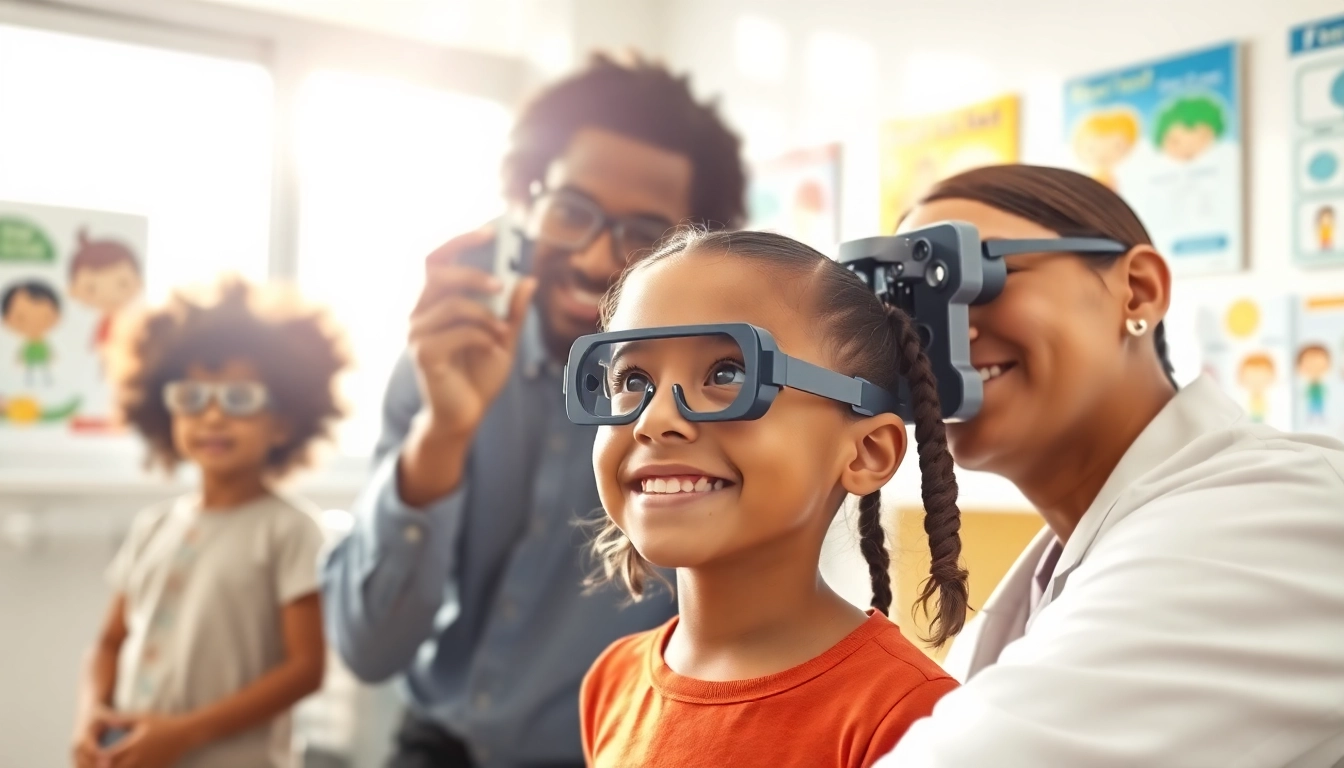
Understanding the Importance of Our Children's Vision
Vision is a cornerstone of learning and development in childhood. It enables children to explore their environment, think critically, and learn through observation. Despite its undeniable importance, many children around the world face vision problems that can have profound implications on their overall health, education, and future opportunities. As a society, it is crucial that we prioritize children's eye health and advocate for initiatives that provide essential eye care. The campaign Our Children's Vision is an important step in this direction, aiming to improve access to eye care services for children globally.
Why Child Eye Health Matters
Healthy vision is fundamental for a child's development. The ability to see clearly impacts their capacity for learning, social interaction, and physical activity. Various studies have shown that children with undiagnosed vision issues often struggle in academic settings, with common complaints including difficulty reading and poorer performance in sports and other activities. Addressing eye health early in life can significantly improve educational outcomes and life quality.
The Long-term Effects of Vision Impairment
Vision impairment in childhood can lead to a variety of long-term challenges. Children experiencing vision problems may find difficulty in keeping up with their peers, which can lead to feelings of frustration, reduced self-esteem, and even social withdrawal. The impacts are not limited to childhood; adults who experienced vision problems during their youth may find themselves facing greater challenges in employment opportunities and overall quality of life. Early intervention and treatment are essential to mitigate these potential long-term effects.
Societal Impacts of Healthy Vision in Children
Investing in children's eye health is beneficial not just for the individual but for society as a whole. Healthy vision contributes to a child's educational success, leading to better job prospects and a more productive adult population. Moreover, addressing issues of vision impairment can reduce healthcare costs significantly, as preventative care is typically less expensive than managing chronic conditions that arise from lack of early eye care. Therefore, the implications of promoting healthy vision in children extend beyond individual benefits to societal advantages as well.
Common Vision Problems in Children
Understanding typical vision issues can help parents and educators recognize potential problems early on. The most prevalent children's vision disorders include myopia, hyperopia, and astigmatism.
Recognizing Signs of Vision Issues
Detecting vision problems in children can be challenging, especially because young children may not articulate their difficulties. Common signs of vision issues include squinting, blinking excessively, sitting too close to screens or books, and displaying an inability to follow objects with their eyes. Regular eye exams can help catch these issues early, ensuring timely intervention.
Myopia, Hyperopia, and Astigmatism Explained
Three of the most common refractive errors that affect children are:
- Myopia (Nearsightedness): This condition makes distant objects look blurry while close-up items may be seen clearly. Myopia can often be managed with corrective lenses or contact lenses.
- Hyperopia (Farsightedness): In contrast, hyperopia causes close objects to appear blurry while distant items may be seen clearly. Severe cases may lead to significant challenges in learning and daily activities.
- Astigmatism: This condition arises when the cornea or lens is irregularly shaped, causing blurred vision for both near and far objects. Astigmatism can also be treated with glasses, contact lenses, or surgery in severe cases.
Underlying Causes of Vision Impairment
Various factors can contribute to vision impairment in children. Genetic predisposition plays a significant role; certain eye conditions tend to run in families. Environmental factors, such as extensive screen time and insufficient exposure to natural light, can also exacerbate vision problems. Awareness and early intervention are essential to counteract these influences and promote better eye health.
Effective Screening and Assessment Practices
Routine vision screening is critical for identifying potential vision problems early. This proactive approach can help ensure children receive appropriate care, facilitating their development and learning.
Recommended Vision Screenings for Children
The American Academy of Pediatrics recommends that children undergo vision screening at various intervals throughout their early years. Newborns should have their eyes examined for congenital conditions, and screenings should continue at key developmental milestones. By school age, children should have comprehensive eye exams to detect any emerging issues early, allowing for timely treatment.
How to Prepare for a Vision Appointment
Parents can facilitate a more effective vision exam by preparing in advance. Here are some tips:
- Document Concerns: Make a list of any specific visual concerns you may have noticed in your child, such as squinting or difficulty seeing the board in school.
- Know the History: Be prepared to discuss your child's medical history and any family history of eye problems.
- Be Engaged: Encourage your child to communicate openly during the appointment about how they perceive their vision.
Interpreting Eye Exam Results
After an eye examination, parents should carefully consider the results and recommendations offered by the eye care professional. Understanding the specifics of any vision issues can help inform decisions regarding treatment or further evaluations. Don’t hesitate to ask questions about anything that seems unclear, including treatment options and how to monitor progress thereafter.
Advocacy and Community Initiatives for Our Children's Vision
Community involvement plays a vital role in promoting children's eye health, and parents and caregivers should consider how they can participate in advocacy and support efforts.
Getting Involved in Local Eye Health Programs
Many communities offer eye health programs tailored to children. Find local initiatives that provide vision screenings or information outreach on the importance of eye care. Participating in these programs can help raise awareness and improve access to essential services for other families in your community.
How to Raise Awareness Among Parents
One effective way to elevate the discussion around children's vision health is through awareness efforts. Host educational sessions at schools or community centers, sharing valuable information about the importance of early eye exams. Leverage social media platforms to share statistics, resources, and personal stories that underscore the necessity of prioritizing children's vision health.
Building Partnerships for Greater Impact
Collaborating with local eye care professionals, non-profits, and educational institutions can lead to significant advancements in how communities approach children's eye health. Establish partnerships that foster resources, share knowledge, and develop programs aimed at improving access and education related to eye care.
Best Practices for Supporting Children's Eye Health
Educators and parents can implement several best practices that significantly benefit children's eye health. Incorporating preventative measures into daily routines can foster healthy habits from an early age.
Encouraging Regular Eye Checkups
Regular eye exams are essential to ensure children's visual health. Parents should make it a priority to schedule eye exams at least once every year as part of their child's overall health monitoring routine. Developing this habit can help catch any issues early on, allowing for timely intervention.
Creating a Vision-friendly Environment at Home
Creating an environment conducive to healthy vision begins at home. Simple steps, such as ensuring proper lighting during reading and homework, can significantly impact a child's eye strain and overall vision health. Encourage breaks from screens during long periods of work or play and promote activities that engage children in outdoor experiences.
Tips for Healthy Screen Time Management
In today's digital age, managing screen time is crucial for children's eye health. Experts recommend setting boundaries on device usage and encouraging activities that do not involve screens. The 20-20-20 rule is a useful guideline: every 20 minutes, have children look at something 20 feet away for at least 20 seconds to help reduce digital eye strain. Teaching children about healthy screen habits can promote better eye health for years to come.