Introduction to Residential Summer Camps
During the warm months, families often seek enriching experiences for their children, and one of the most rewarding options is residential summer camps. These immersive environments provide not only a break from routine but also a plethora of activities designed to foster personal growth, social interaction, and life skills. But what exactly are these camps, and why do many parents choose them for their children? This article delves into the essence of residential summer camps, their unique offerings, and the myriad benefits they provide to young campers.
What Are Residential Summer Camps?
Residential summer camps are structured programs that typically last several weeks, during which children reside on-site in cabins or lodges while participating in various activities. These camps can have different focuses, from sports and arts to adventure-based learning and environmental education. The concept is built around providing a community living experience where campers develop skills and forge friendships away from the familiar comforts of home.
Reasons for Choosing Residential Summer Camps
There are several compelling reasons that parents choose residential summer camps for their children:
- Independence: Camps help children develop independence and self-reliance as they navigate their new surroundings without parental guidance.
- Social Skills: Campers meet and interact with peers from diverse backgrounds, enhancing their social skills and creating long-lasting friendships.
- Skill Development: With a wide array of activities, campers can discover and develop new talents.
- Structured Environment: Unlike unstructured summer days, camps provide a structured schedule that combines fun, learning, and adventure.
Target Age Groups for Residential Summer Camps
Residential summer camps cater to a wide range of age groups, typically from 6 to 18 years old:
- Younger Campers (Ages 6-10): These camps focus on nurturing and basic skill development through fun, engaging activities.
- Middle Campers (Ages 11-14): At this age, campers participate in more structured activities, often exploring specific interests.
- Teen Campers (Ages 15-18): These camps typically emphasize independence, leadership skills, and even special focus areas, including teen leadership programs.
Types of Activities Offered at Residential Summer Camps
One of the most appealing aspects of residential summer camps is the diverse range of activities they offer. These activities span outdoor adventures, creative areas, and sports, providing multifaceted experiences for campers.
Outdoor Adventures
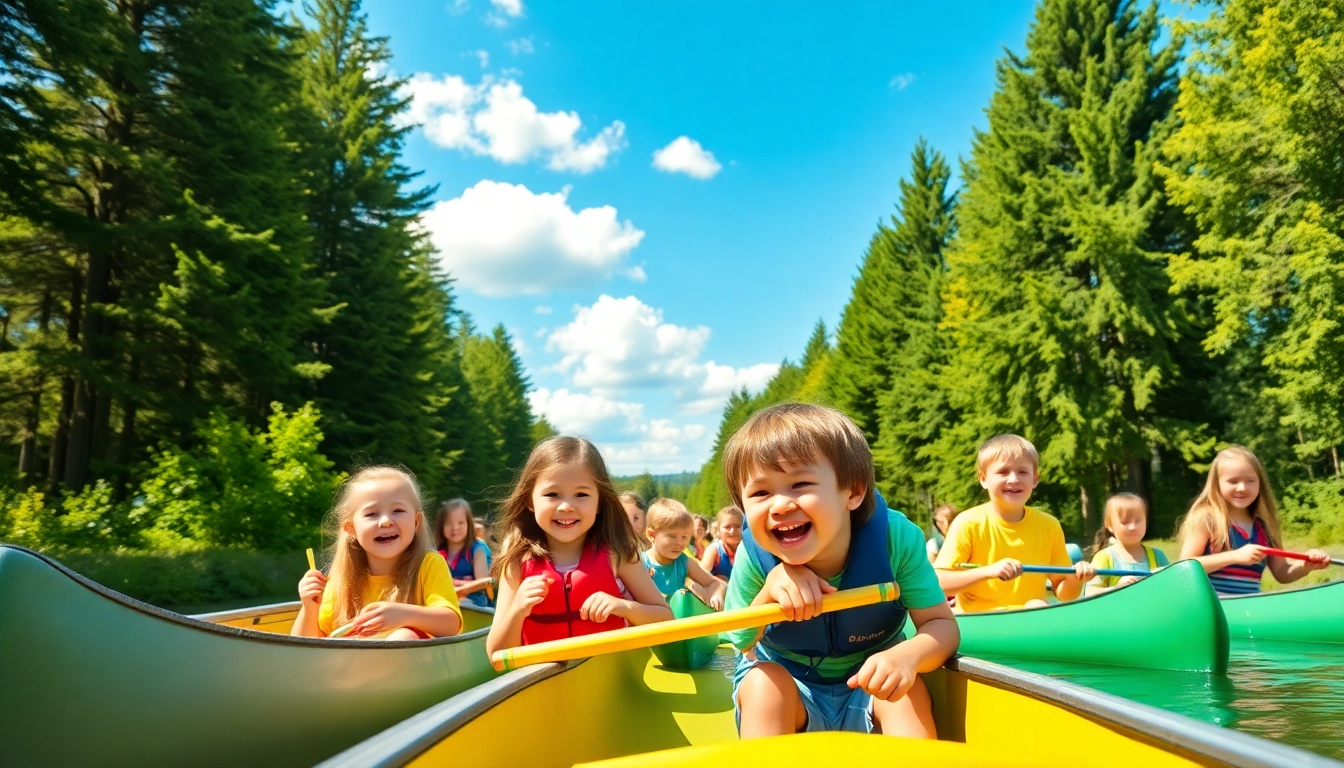
Outdoor activities are a hallmark of many residential camps. Programs often include hiking, swimming, zip-lining, rock climbing, and canoeing, giving campers the chance to explore the natural environment. Campers learn about teamwork, safety, and environmental stewardship, all while enjoying the great outdoors.
Creative Arts and Crafts
For those inclined towards creativity, numerous camps offer arts and crafts programs. These may include painting, pottery, photography, and theater. Engaging in the arts allows campers to express themselves creatively while developing fine motor skills and gaining confidence in their artistic abilities.
Sports and Team Building
Physical activities and sports are essential for developing teamwork and resilience. Residential camps often feature traditional sports such as soccer, basketball, and swimming, but also include team-building activities that foster collaboration and problem-solving skills. Campers learn to win gracefully and to respect their opponents, creating a positive sportsmanship culture.
Benefits of Attending Residential Summer Camps
The advantages of attending residential summer camps extend far beyond mere entertainment. Here are some significant benefits:
Building Life Skills
Residential camps play a pivotal role in developing essential life skills. Campers gain independence, learn decision-making, and foster a strong sense of responsibility. These skills are transferable and valuable throughout a child's life, aiding their personal and academic growth.
Promoting Social Interaction
In a camp setting, children learn how to interact with peers without the influence of parents or technology. This environment fosters friendships based on shared interests and experiences. Interactive group activities push campers to collaborate and communicate effectively, preparing them for future social situations.
Enhancing Physical Health
Being active is vital for physical health, and residential camps excel at encouraging kids to engage in physical activities. Activities like hiking, swimming, and team sports contribute to improved fitness levels, combat obesity, and promote a lifetime love for physical activity. Campers often develop positive habits that they carry into adulthood.
Safety Measures in Residential Summer Camps
Choosing a residential summer camp is as much about safety as it is about fun. Parents want to ensure their children are safe and well-cared for. Thus, reputable camps take extensive measures to guarantee camper safety.
Staff Training and Qualifications
Trained and qualified staff members are crucial to ensuring safety. Camps often require their staff to undergo background checks, first-aid, and CPR training. This equips them with the skills necessary to respond to emergencies swiftly and effectively, ensuring a safe environment for all the campers.
Health and Emergency Protocols
Camps typically have health protocols that include access to medical staff and quick response strategies for emergencies. Parents should look for camps that provide clear information about on-site nursing staff, medication management, and procedures for handling emergencies or illnesses.
Supervision and Camper Ratios
Another essential aspect of safety is the camper-to-staff ratio. A low ratio allows for closer supervision, ensuring that campers receive adequate attention and supervision in all activities. Parents should inquire about the camp's ratios to feel comfortable about their child’s safety and care.
Frequently Asked Questions About Residential Summer Camps
What should campers pack for residential summer camps?
Campers should pack essentials like clothing suitable for varied weather, toiletries, sleeping bags, and any personal items that will make their stay comfortable. Most camps provide a detailed packing list prior to arrival.
How are activities structured in residential summer camps?
Activities in residential summer camps are typically structured around a daily schedule that includes a mix of organized and free time. This balance encourages both engagement and relaxation.
What is the typical duration of residential summer camps?
Residential summer camps usually last from one to eight weeks. The length often depends on the program and age group, allowing families to select options that best fit their schedules.
How are dietary needs accommodated in residential summer camps?
Most camps are equipped to accommodate various dietary restrictions, including allergies and preferences. They typically have a trained kitchen staff that can prepare suitable meals upon request.
What measures are in place for camper safety and security?
Camper safety is a priority. Camps implement comprehensive safety protocols, including trained staff, supervision, and emergency procedures to ensure all children are secure and cared for.