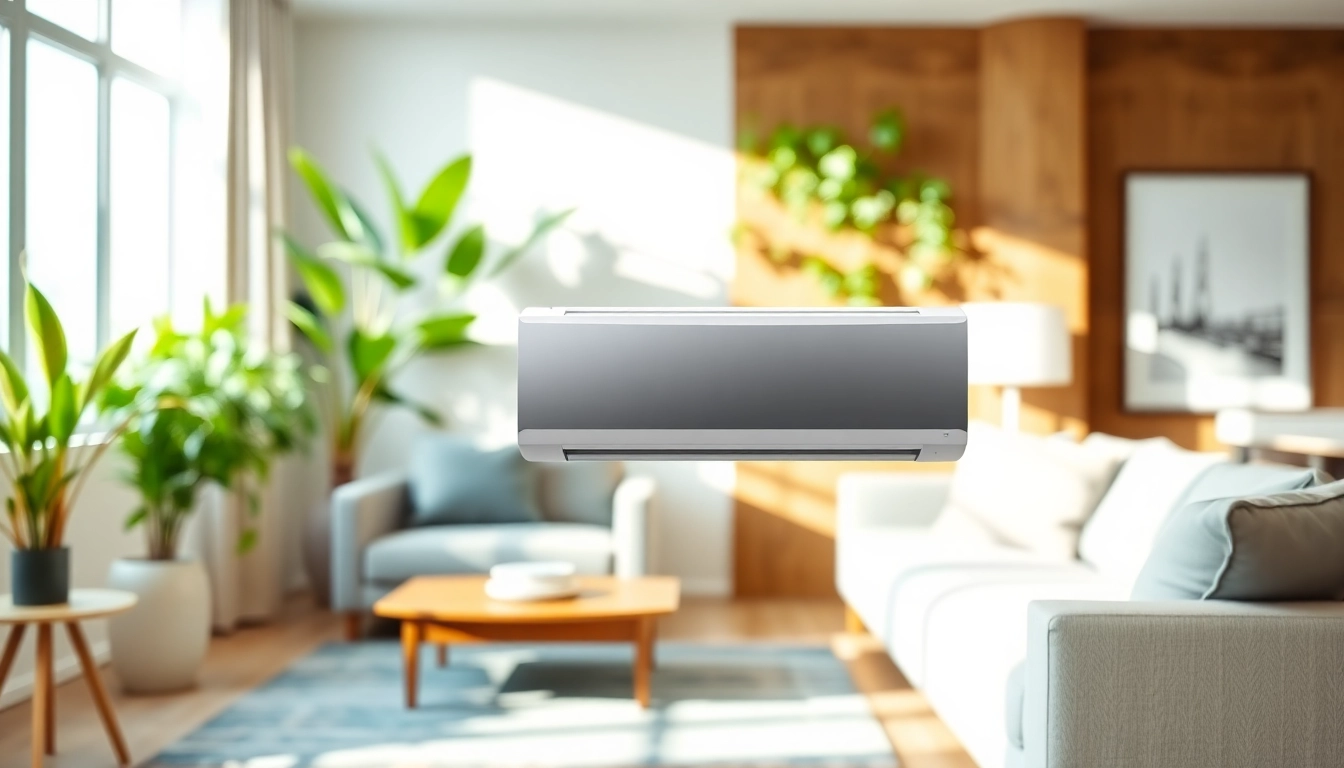
Understanding the Daikin Mini Split AC System
What is a Daikin Mini Split AC?
The daikin mini split ac is a highly efficient cooling and heating system that operates without the need for ductwork. This system consists of two main components: an outdoor unit that houses the condenser and compressor, and one or more indoor units that distribute air throughout your living space. Due to their versatile design and energy efficiency, mini split systems have gained popularity, especially in residential and light commercial applications.
How Does a Mini Split AC Work?
Operating on the principles of heat transfer, the mini split system draws heat from the inside of your home and dissipates it outside during the cooling season, and vice versa in the heating season. The outdoor unit compresses the refrigerant, which then circulates to the indoor unit, releasing or absorbing heat as needed. This design allows for targeted temperature control, maintaining comfort in specific areas without affecting the overall home environment.
Key Features of Daikin Mini Split AC
- Inverter Technology: This technology adjusts the compressor speed in real-time to conserve energy and maintain desired temperatures efficiently.
- Quiet Operation: Mini split systems are designed to operate quietly, making them ideal for bedrooms, libraries, and other quiet spaces.
- Smart Thermostat Compatibility: Many models are compatible with smart home systems, allowing users to control their climate remotely via smartphone apps.
- Multi-Zone Capabilities: With multiple indoor units, the system can effectively heat or cool different rooms individually, enhancing personalized comfort.
Benefits of Using Daikin Mini Split AC
Energy Efficiency and Cost Savings
One of the standout benefits of the daikin mini split ac is its superior energy efficiency. Most models feature SEER ratings (Seasonal Energy Efficiency Ratio) ranging from 16 to 30 or higher. This means they consume less electricity compared to conventional air conditioning systems, reducing overall energy bills significantly. Additionally, the inverter technology mentioned earlier not only enhances performance but also decreases energy consumption by maintaining a steady temperature, minimizing the need to frequently turn the system on and off.
Customizable Comfort Control
Another significant advantage is the ability to customize temperature settings for each room. This flexibility permits homeowners to adjust temperatures based on preferred living spaces at various times of the day or based on occupancy. For instance, during the daytime, the living room might require more cooling, while the bedrooms remain comfortable at a less striking setting. This zoning capability significantly improves overall comfort in the home.
Space-Saving Design Advantages
Daikin mini split AC systems are known for their compact size and flexibility in installation. Unlike traditional air conditioning systems that require large ducts, mini splits only necessitate a small hole for installation, making them ideal for homes with limited wall space. This design not only preserves aesthetics but also frees up valuable floor space.
Installation Process for Daikin Mini Split AC
Preparing Your Space for Installation
Before installing a daikin mini split ac, assessing the location where both the indoor and outdoor units will be installed is crucial. Consider factors like direct sunlight exposure, noise from outdoor elements, and accessibility for maintenance. The indoor unit should ideally be positioned high on a wall or ceiling for optimal air distribution. Moreover, ensure availability of electrical connections and drainage for the condensate line.
Step-by-Step Installation Guide
- Mount the Indoor Unit: Attach the mounting bracket to the wall and hang the indoor unit securely.
- Connect Refrigerant Lines: Install the refrigerant lines and electrical wiring through the wall hole leading to the outdoor unit.
- Install the Outdoor Unit: Secure the outdoor unit on a concrete pad or brackets, ensuring proper spacing for airflow.
- Connect Electrical Wiring: Link the electrical connections from the indoor unit to the outdoor unit, adhering to local electrical codes.
- Test the System: Once everything is connected, run the system to ensure proper functionality before sealing any access points.
Common Mistakes to Avoid During Installation
Installation of a daikin mini split ac is critical for its performance and durability. Common mistakes include incorrect positioning of the indoor and outdoor units, neglecting to secure electrical connections, or underestimating insulation needs for refrigerant lines. Additionally, failing to follow the manufacturer's guidelines can lead to performance issues. Therefore, meticulous adherence to the installation checklist is vital.
Maintenance Tips for Optimal Performance
Regular Cleaning and Servicing
Maintaining your daikin mini split ac involves regular cleaning of the filters and the outdoor unit's condenser coils. Dirty filters can obstruct airflow, leading to inefficiency and potential system breakdown. Homeowners should check and clean or replace filters every month, especially during peak usage seasons. Scheduling professional servicing annually can also help catch any underlying issues before they escalate.
Troubleshooting Common Issues
Common issues may include inadequate cooling or heating, unusual noises, or air leaks. Inadequate performance could stem from dirty filters, low refrigerant levels, or electrical supply issues. If unusual noises are heard, it might indicate a loose component or failing motor. Quick troubleshooting can often resolve these small problems without needing a technician.
Signs You Need Professional Help
While many maintenance tasks can be performed by homeowners, certain signs indicate the need for professional assistance. If you notice persistent problems like a refrigerant leak, dramatic changes in energy costs, or mechanical parts making noise, it is wise to consult a qualified technician. Professional maintenance ensures the system operates efficiently and safely.
Frequently Asked Questions about Daikin Mini Split AC
How does a Daikin Mini Split AC compare to traditional systems?
Daikin mini split AC systems are more energy-efficient, flexible in installation, and quieter than traditional window or central air conditioning systems. They allow for individual room temperature control without the need for ductwork.
What is the typical lifespan of a Daikin Mini Split AC?
The expected lifespan of a daikin mini split ac is approximately 15 to 20 years, depending on usage, maintenance, and environmental factors. Regular maintenance can extend the lifespan of the unit.
Can I install a Daikin Mini Split AC myself?
While DIY installation is possible, it is typically recommended to have professional installation to ensure efficiency and compliance with local building codes, particularly for electrical and refrigerant connections.
What size Daikin Mini Split AC do I need for my room?
The size required is determined by the room's square footage, insulation, and climate. An HVAC professional can perform a load calculation to recommend the right capacity, typically expressed in BTUs.
Are Daikin Mini Split AC units suitable for cold climates?
Yes, many daikin mini split AC units are designed to function efficiently in colder temperatures, with specific models capable of heating in sub-zero conditions. Always verify model specifications for optimal performance.