Understanding Plate Rolling Basics
What is Plate Rolling?
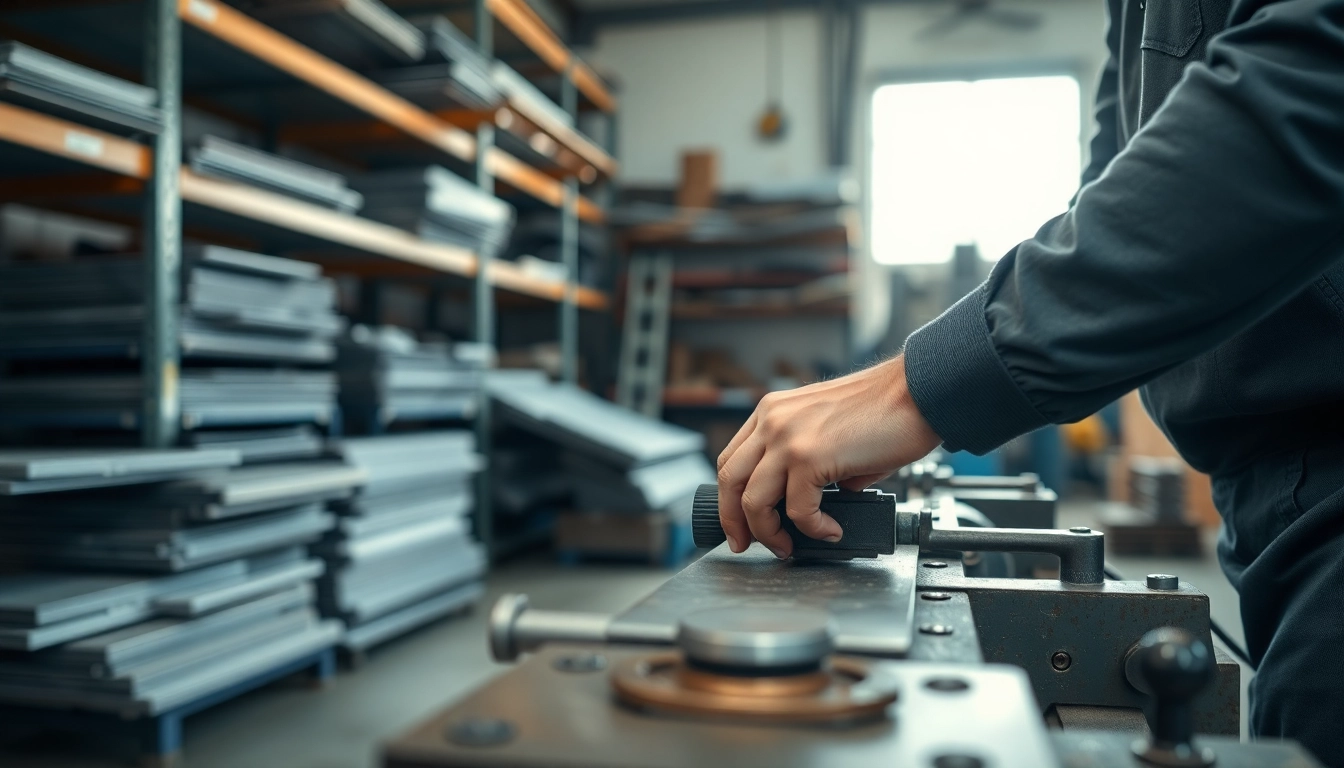
Plate rolling is a fundamental process in manufacturing and metalworking, primarily involving the bending of metal plates into cylindrical or conical shapes. This process utilizes specialized machinery to transform flat sheets into complex shapes, which are essential in various applications, from shipbuilding to the production of pressure vessels. By employing plate rolling, manufacturers can achieve the requisite specifications for strength, durability, and functionality in their end products.
Key Components of Plate Rolling Machines
Plate rolling machines consist of several critical components, each designed to enhance the efficiency and effectiveness of the rolling process. The essential elements include:
- Rolls: The main operating units, usually made from high-quality steel, that apply pressure to the metal sheets.
- Frames: Support structures that hold the rolls in place while allowing for adjustments in height and spacing.
- Drives: Motorized systems that power the rolls, determined by the desired production speed and material thickness.
- Control Systems: Digital or analog interfaces that allow operators to adjust settings such as speed, temperature, and pressure for precise results.
Types of Plate Rolling Processes
There are several plate rolling processes employed in manufacturing, each tailored to specific applications and material properties:
- Three-Roll Rolling: This method uses three rolls to shape the plate into a cylindrical form with a defined radius.
- Four-Roll Rolling: Incorporates an additional roll for improved accuracy and material handling, particularly for thinner sheets.
- Plate Bending: Focuses on creating specific angled shapes, ideal for distinct construction requirements.
- Pre-Bending: A process that initially bends the plate edges before the actual rolling, ensuring a better fit during assembly.
Choosing the Right Equipment for Plate Rolling
Factors to Consider When Selecting Machinery
Choosing the correct plate rolling machine is crucial for optimizing production efficiency and product quality. Factors to consider include:
- Material Type: Different metals (.e.g., steel vs. aluminum) require various machines.
- Thickness of Material: Heavier materials demand more robust machinery.
- Production Volume: Higher production needs may require more advanced or larger machines.
- Space Constraints: The available shop floor space will determine the size of the machinery.
Top Features to Look For
When evaluating plate rolling machines, consider the following features:
- Motor Power: More powerful motors can handle thicker plates and faster production rates.
- Automation: Look for machines with automation capabilities for enhanced precision and speed.
- Digital Controls: Advanced control systems simplify the setup, reducing the risk of errors.
- Durability: Machines built with high-quality materials will withstand heavy use over time.
Maintenance Tips for Longevity
To ensure your plate rolling machines remain in peak condition, follow these maintenance tips:
- Regular Lubrication: Keep moving parts well-lubricated to prevent wear and tear.
- Routine Inspections: Carry out frequent checks on the roll alignment and machine settings to avoid damage.
- Cleaning: Maintain a clean workspace to prevent debris from interfering with machine performance.
- Professional Servicing: Schedule periodic inspections by certified professionals to catch potential issues early.
Plate Rolling Techniques: A Step-by-Step Guide
Preparing Materials for Rolling
Effective preparation of materials is key to successful plate rolling. Start with these steps:
- Material Sourcing: Choose high-quality metal plates that meet required specifications.
- Cleaning: Ensure the plates are free from rust, oil, and other contaminants.
- Measuring: Accurately measure the dimensions to ensure they match the project requirements.
- Pre-Bending: If necessary, pre-bend edges to facilitate easier rolling later.
Executing the Rolling Process
Once your materials are prepared, follow these steps for the rolling process:
- Setup: Adjust and calibrate the rolling machine based on material specifications.
- Start Rolling: Feed the prepared plate into the machine, ensuring it’s aligned correctly.
- Monitor: Continuously check the machine settings during operation to maintain precision.
- Final Adjustment: Make any necessary adjustments to achieve the desired form.
Post-Rolling Finishing Techniques
After rolling, finishing techniques improve product quality:
- Edge Treatment: Smooth or round edges to enhance safety and aesthetics.
- Surface Treatment: Consider processes like painting or coating to protect against corrosion.
- Quality Control: Inspect finished products for adherence to specifications and integrity.
- Documentation: Keep thorough records of each roll for future reference and quality assurance.
Best Practices for Plate Rolling
Common Mistakes to Avoid
To ensure optimal outcomes in plate rolling, be aware of these common pitfalls:
- Incorrect Configuration: Always double-check machine settings before initiating the process.
- Skipping Maintenance: Failing to maintain equipment can lead to breakdowns and inefficiencies.
- Ignoring Safety Protocols: Always prioritize safety measures to protect operators and equipment.
- Inadequate Training: Ensure all operators are trained thoroughly on equipment use and safety.
Optimizing Production Efficiency
Improving production efficiency in plate rolling can be achieved through:
- Streamlined Workflow: Organize tasks and materials to minimize movement and waste.
- Employee Training: Regularly update and train staff to enhance skills and productivity.
- Technology Integration: Implementing software solutions for inventory and production tracking.
Ensuring Safety in Plate Rolling Operations
A strong safety culture is vital in plate rolling. Implement these guidelines:
- Personal Protective Equipment (PPE): Ensure all employees wear the necessary safety gear.
- Proper Training: Regularly train staff on safety practices and emergency procedures.
- Safety Inspections: Conduct routine inspections of machinery and work areas to identify hazards.
- Clear Protocols: Establish and communicate safety protocols for all processes involved.
Future Trends in Plate Rolling Technology
Recent Innovations Shaping the Industry
The plate rolling industry is continuously evolving with technological advancements such as:
- Robotics: Integration of robotic arms enhances precision and reduces labor costs.
- Smart Sensors: These devices monitor equipment conditions, optimizing maintenance schedules.
- Advanced Materials: Innovations in composite materials allow for lighter and more durable products.
Integrating Automation and Smart Technology
Automation is reshaping plate rolling practices, with benefits including:
- Enhanced Accuracy: Automated systems reduce human error, leading to high precision.
- Increased Outputs: Automation often results in faster production cycles.
- Data Analytics: Smart technologies leverage data for continuous process improvement.
The Role of Sustainable Practices in Plate Rolling
Future trends also include a focus on sustainability, with initiatives such as:
- Resource Efficiency: Implementing practices that minimize waste and energy consumption.
- Recycling: Encouraging the reuse of materials in production processes.
- Eco-Friendly Materials: Developing and using sustainable materials that have less environmental impact.
FAQs about Plate Rolling
What materials can be rolled using plate rolling?
Plate rolling can be performed on various materials, including steel, aluminum, copper, and other metals. The machine's design determines the suitability for different material types.
How thick can materials be for plate rolling?
The thickness of materials suitable for plate rolling depends on the machine's specifications, typically ranging from thin sheets to several inches of thick metal.
How does maintenance affect the plate rolling process?
Regular maintenance ensures optimal machine performance, reduces downtime, and prolongs the machine's lifespan, ultimately leading to higher quality finished products.
What are the advantages of automation in plate rolling?
Automation enhances accuracy, increases production speeds, and reduces labor costs, making the rolling process more efficient and reliable.
Can plate rolling create custom shapes and designs?
Yes, plate rolling can accommodate various shapes, including conical and cylindrical forms, allowing for custom designs based on project requirements.