Understanding the Basics of Wildlife Photography
Wildlife photography is an exhilarating niche that blends artistry and the thrill of capturing life in the wild. As a photographer, you have the unique opportunity to document the beauty of nature and the behaviors of various species. A well-structured wildlife photography course can provide the foundational knowledge necessary to elevate your skills and enhance your passion for wildlife photography.
Fundamentals of Wildlife Photography Course
At the heart of any wildlife photography course is an understanding of the basics. This includes learning about animal behavior, ethical practices, and the significance of patience. Photographers must develop a keen sense of awareness to anticipate moments and capture them authentically. Essentials covered in a foundational course often include practical lessons on identifying key wildlife behavior patterns, making informed decisions regarding lens selection, and mastering the art of stealth in the field.
Essential Equipment for Wildlife Photographers
Equipping yourself with the right tools is crucial for success in wildlife photography. A dedicated camera body equipped with a long telephoto lens can make a significant difference. High-quality lenses, typically ranging from 300mm to 600mm, are essential for capturing subjects from a distance without disturbing them. In addition to a camera and lenses, essential gear includes:
- A sturdy tripod to ensure stability and clear shots.
- Extra batteries and memory cards to avoid missing critical moments.
- A lens cleaning kit to maintain sharp images.
- Weather protection gear for environments that can be unpredictable.
Techniques to Enhance Your Wildlife Photography
Mastering animal subjects and settings requires a blend of technical prowess and creativity. Understanding and applying specific techniques can dramatically enhance the quality of your wildlife images.
Mastering Camera Settings for Wildlife Photography
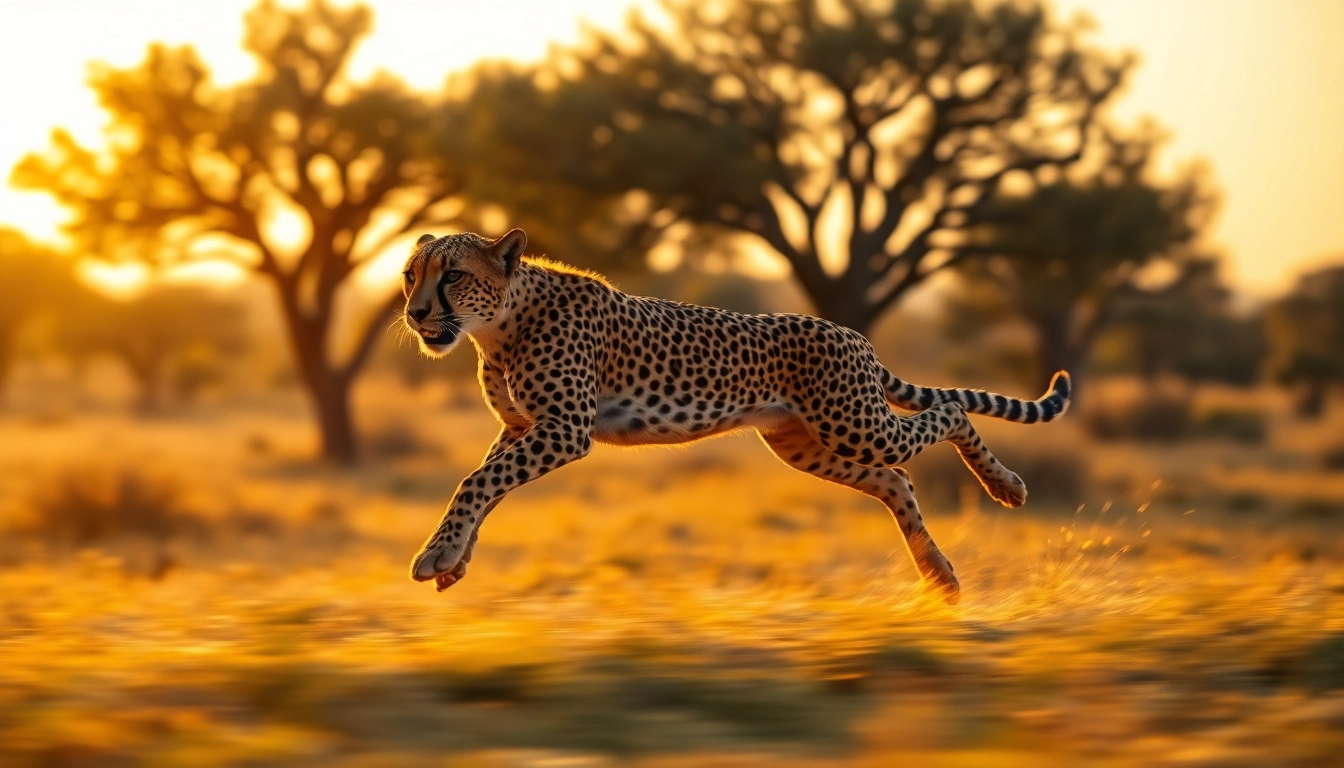
Camera settings play a pivotal role in wildlife photography. Your choice of shutter speed, aperture, and ISO can mean the difference between a captivating image and a blurry disappointment. Fast shutter speeds are essential for freezing motion, especially in dynamic wildlife scenarios. A general guideline is to use a shutter speed of at least 1/1000s for moving subjects. Aperture should be adjusted according to your desired depth of field, with a lower f-stop (like f/4) helping isolate your subject against a blurred background. Additionally, optimizing ISO settings can help capture details in various lighting conditions, although be mindful of noise at higher ISO values.
Utilizing Lighting Conditions Effectively
Natural lighting significantly influences the imagery you create. The golden hours—early mornings and late afternoons—are optimal for softer lighting and vibrant colors. Understanding the position of the sun and how it interacts with your subject can heighten visual interest. Overcast days also present unique opportunities, reducing harsh shadows and allowing for even lighting conditions. Techniques such as backlighting and silhouettes can produce striking images. Experiment with light direction and intensity to discover what works best for your style.
Composition Tips for Breathtaking Wildlife Images
Effective composition is integral to storytelling through photography. One popular approach is the 'Rule of Thirds,' where you mentally divide your frame into thirds both horizontally and vertically. Position your subject along these lines or at their intersections to create a more balanced image. Additionally, consider perspectives that heighten your subject's visibility; shooting at eye level can create intimate portrayals of wildlife. Framing, leading lines, and negative space are other compositional techniques that can enhance your photography.
Developing Your Unique Style as a Wildlife Photographer
While mastering techniques is crucial, developing your own style will set your work apart in the crowded field of wildlife photography. Finding your voice can take time and experimentation.
Finding Inspiration in Nature
Nature itself is one of the best sources of inspiration for a wildlife photographer. Spend time in various environments, whether a national park, coastline, or even your backyard. Observing animals in their natural settings allows you to understand their behaviors and habitats, ultimately translating into more compelling photographs. Seeking inspiration from other artists can also help you cultivate your unique perspective. Visit galleries, read photography magazines, or explore online platforms dedicated to wildlife photography.
Experimenting with Techniques and Styles
To discover a personal style, don't shy away from experimentation. Try different perspectives, techniques, and settings. Mix up your shooting speed, aperture, and lens choices to see how they affect the outcome. Play with different genres within wildlife photography, such as macro photography of insects or landscapes featuring wildlife, to broaden your skill set and help you find what resonates most with you.
Creating a Signature Look
Once you've explored various techniques, focus on refining a signature look that reflects your personal style. This could be through consistent color grading, a unique framing technique, or even subject matter selection. Consider developing a recognizable editing style that complements your photographic approach, helping viewers to identify your work instantly.
Post-Processing Tips for Wildlife Photography
Post-processing is an essential part of transforming your raw images into stunning final products. Understanding the tools and techniques available can take your wildlife photography to the next level.
Editing Basics for Wildlife Photography Course
Understanding basic editing tools can help you enhance your photographs without losing the integrity of the subject. Familiarize yourself with software like Adobe Lightroom or Photoshop, which offer extensive options for adjusting exposure, color balance, and sharpness. Learning to crop effectively can also improve composition and focus on the main subject. Regularly practicing these techniques will help you develop efficiency and consistency in your workflow.
Enhancing Colors and Details in Your Images
Editing isn’t just about corrections; it’s also about enhancement. Adjusting contrast, vibrancy, and saturation can breathe life into your images. Be aware, however, of over-editing, which can detract from the authenticity of your photograph. For wildlife images, particularly, it's important to maintain realistic colors that reflect the animal's natural environment. Utilizing sharpening tools can also help draw attention to the finer details of your subject, allowing your audience to appreciate the intricate patterns and textures found in nature.
Creating a Consistent Editing Workflow
Establishing a consistent post-processing workflow can greatly aid your efficiency, especially when you have large batches of photographs. Consider creating and saving presets in your editing software for various adjustments you commonly make. This will not only save time but also give your portfolio a cohesive look. Aim to have an editing style that aligns with your artistic voice, ensuring your images are easily recognizable as part of your work.
Building Your Portfolio and Marketing Your Work
A well-curated portfolio is essential for showcasing your skills and attracting potential clients or audiences. Building a presence in the wildlife photography community can open doors for collaboration and opportunities.
Curating a Captivating Wildlife Photography Portfolio
Your portfolio should reflect the best of your work and your unique style. Select images that not only showcase technical skill but also convey emotion and narrative. Consider the story you want your portfolio to tell. Group similar styles or themes together for a more cohesive presentation. Online platforms are increasingly popular for sharing portfolios; ensure your images are displayed in high resolution and optimized for the web to create an engaging viewing experience.
Utilizing Social Media to Showcase Your Work
Social media can be a powerful tool for wildlife photographers to share their work and connect with a broader audience. Platforms like Instagram, Twitter, and Facebook allow you to engage with fellow photographers, conservation groups, and potential clients. Regularly posting your images with relevant hashtags can increase visibility. Consider sharing behind-the-scenes footage, stories, or educational content about wildlife to build a narrative around your work.
Networking in the Wildlife Photography Community
Establishing connections with other wildlife photographers and enthusiasts can be invaluable for growth. Attend workshops, exhibitions, or photography festivals to meet like-minded individuals and share experiences. Joining online communities or forums focused on wildlife photography can provide support, feedback, and advice. Collaboration often leads to new opportunities and can enhance your learning experience.
Frequently Asked Questions
What is wildlife photography?
Wildlife photography involves capturing images of animals in their natural habitats. It focuses on portraying the beauty and behaviors of wildlife in a respectful and ethical manner.
Do I need a professional camera for wildlife photography?
While a professional camera can enhance your capabilities, a high-quality DSLR or mirrorless camera with a telephoto lens is often sufficient. Familiarity and practice matter more than equipment.
How can I improve my wildlife photography skills?
Improvement comes with practice. Take a wildlife photography course, study animal behavior, experiment with different settings, and seek feedback to refine your skills.
Is post-processing important in wildlife photography?
Yes! Post-processing enhances your images, correcting exposure and emphasizing colors and details, while maintaining the authenticity of the scene.
What are some ethical considerations in wildlife photography?
Ethical considerations include respecting animals' space, minimizing disturbance, and prioritizing conservation. Always follow local guidelines when photographing wildlife.