Understanding the Basics of Home Renovation
Home renovation is a transformative process that allows homeowners to breathe new life into their living spaces. Whether you are making minor updates or undertaking a complete overhaul, understanding the fundamentals of home renovation is crucial for every aspiring renovator. It involves a blend of creativity, strategic planning, and practical execution that can drastically enhance both the functionality and aesthetic of your home. For those interested in the intricacies of this process, it is essential to consider all aspects, starting from defining Home renovation through to the finishing touches. Below, we delve deeper into every essential aspect of home renovation.
Defining Home Renovation
Home renovation refers to the process of improving an existing home structure. This can encompass everything from minor updates, such as painting and new carpeting, to significant modifications like altering floor plans, adding rooms, or completely redesigning interiors. The goal is often twofold: to enhance the home’s functionality and to increase property value. Home renovation can also include sustainability efforts, such as installing energy-efficient windows or upgrading HVAC systems, which help reduce utility costs while benefiting the environment.
Common Types of Home Renovation Projects
Home renovation projects can be generally categorized into several types, including:
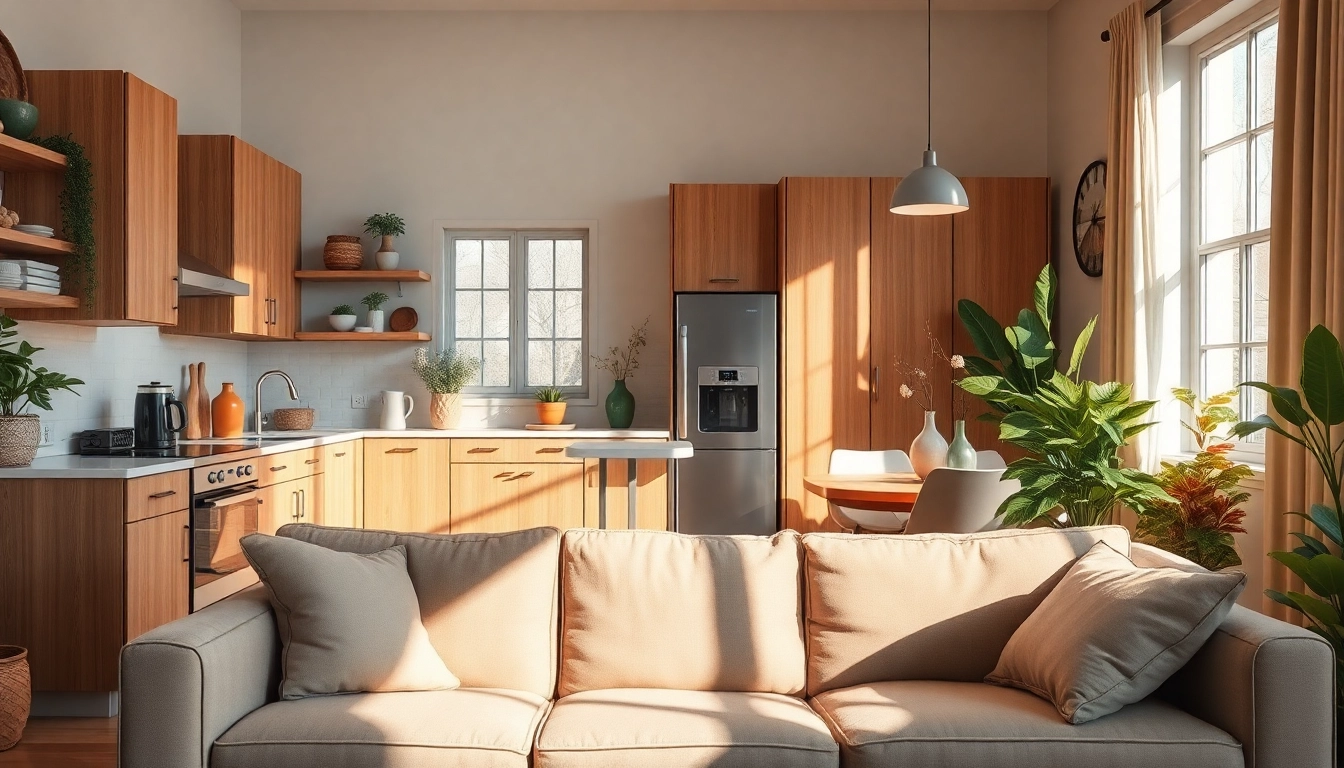
- Kitchens: Often regarded as the heart of the home, kitchen renovations can involve modernizing appliances, cabinetry, countertops, and layout.
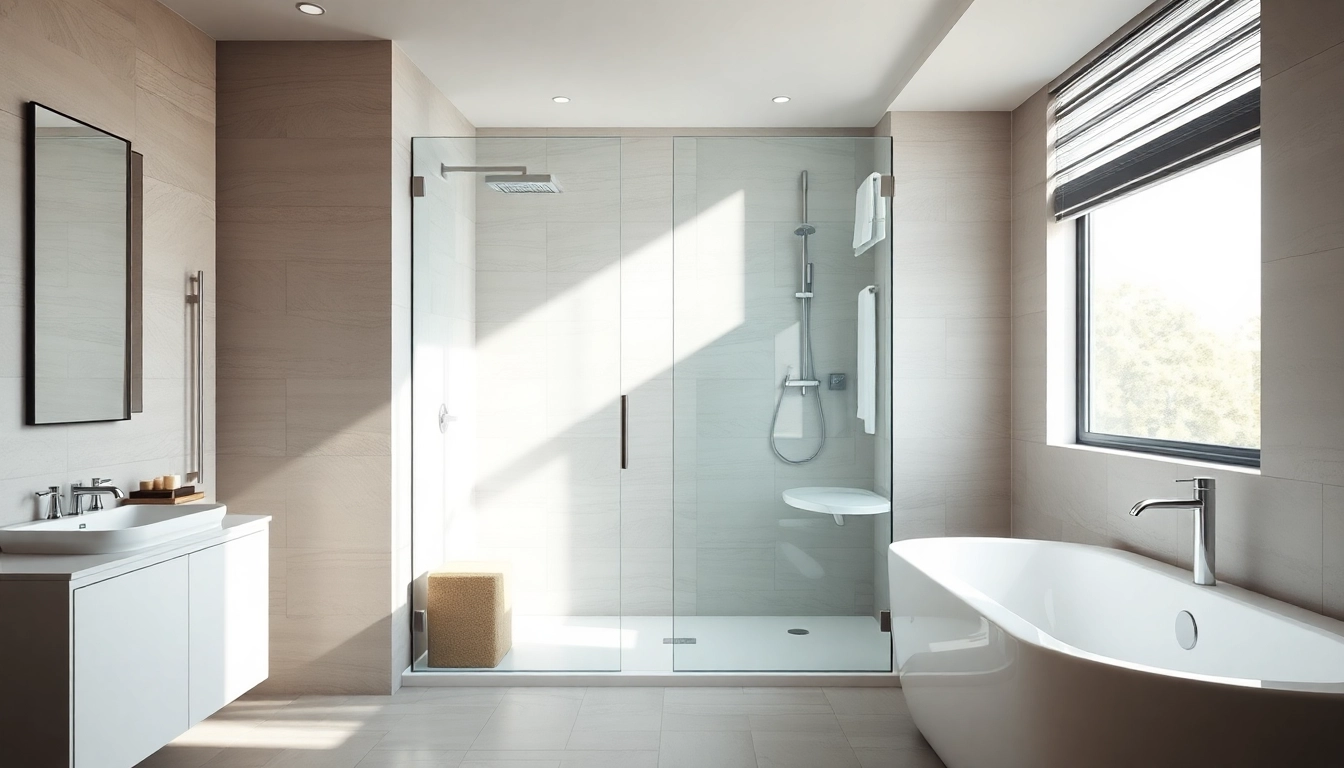
- Bathrooms: From simple updates like new fixtures to complete remodels that change the layout, bathroom renovations often yield a solid return on investment.
- Additions: Expanding your home with additional rooms, such as a master suite or sunroom, helps meet growing space requirements.
- Basements: Transforming an unfinished basement into a usable living space can substantially increase home value.
- Exterior Upgrades: Renovations may include new siding, decking, landscaping, or roofing to enhance curb appeal.
Assessing Your Needs and Goals for Home Renovation
Before diving into the renovation process, it's essential to identify your specific needs and goals. Assessing your space should include taking stock of function and design elements that might improve your home life. Additionally, setting clear objectives—such as increasing energy efficiency, enhancing comfort, or preparing for increased family members—will guide your renovation choices and help you prioritize projects.
Planning Your Home Renovation
Planning is one of the most critical stages of Home renovation since it lays the groundwork for successful execution. A comprehensive plan not only defines the project scope but also outlines the budget, schedule, and the professionals who will participate in the renovation.
Setting a Realistic Budget for Home Renovation
Creating a well-defined budget is essential for any home renovation project. Start by estimating costs for materials, labor, permits, and unforeseen expenses. A common rule of thumb is to allocate an additional 10-20% of your budget for unexpected costs that may arise during the renovation process. Additionally, prioritize spending by focusing on high-impact areas that will provide good returns on investment.
Choosing a Design Style for Home Renovation
Your design style will significantly influence the renovation process, determining everything from materials to color schemes. Popular styles range from contemporary and minimalist to more traditional or rustic aesthetics. Consider your personal preferences and how they align with the existing architecture of your home. Research design trends and create a mood board to help visualize your thoughts—a valuable tool for guiding the renovation process.
Creating a Timeline for Your Home Renovation
Developing a realistic timeline involves coordinating all tasks, from initial design meetings to project completion. A well-structured timeline helps ensure that contractors stay on track and keeps homeowners informed and engaged. Always include buffer time for delays, which are common in home renovation projects due to unforeseen complications such as permits or supply delays.
Hiring the Right Professionals for Home Renovation
The success of your home renovation heavily relies on the professionals you choose to work with. Selecting qualified contractors and service providers will streamline the construction process and enhance the quality of the outcome.
Finding Qualified Contractors for Home Renovation
Start your search for contractors by gathering recommendations from friends and family or through online reviews. Once you have a shortlist, ask for references and check past project portfolios to gauge their capabilities. Ensure the contractors are licensed and insured qualifying them for the specific types of work required in your renovation.
Understanding Contracts and Agreements in Home Renovation
A clear contract is crucial for protecting both parties involved in a renovation project. It should outline the scope of work, deadlines, payment schedules, and materials to be utilized. Pay special attention to clauses regarding changes in scope or cost overruns. Reviewing the contract with a legal professional can ensure that your interests are protected.
Communicating Your Vision for Home Renovation
Effective communication is imperative to ensuring your vision is realized throughout the renovation process. Be clear and concise when discussing your expectations with contractors and designers. Regular check-ins and updates will help keep everyone aligned and enable quick resolutions to any issues that arise.
Executing the Home Renovation Process
Executing the renovation plan involves active management of the project, which can be challenging. Staying proactive can help mitigate potential setbacks and satisfy expectations.
Dealing with Unexpected Challenges During Home Renovation
No renovation project is free from unexpected challenges. Issues can include structural problems, required code updates, or contractor shortages. Always remain flexible and keep open lines of communication with your contractor to navigate these challenges efficiently. Documentation of all issues and resolutions helps maintain clarity and serves as a reference for future projects.
Managing Project Progress and Quality Control for Home Renovation
Regular site visits during the renovation process allow you to monitor progress and ensure that quality standards are being met. Create a punch list of items to address, which keeps everyone focused on achieving desired results. Engaging a project manager, if your budget allows, can provide further oversight of the project, quality assurance, and budget management.
Staying on Schedule During Home Renovation
Staying on schedule often requires diligent time management and quick decision-making. If delays occur, understand the root causes and work with your team to remedy them immediately. Establishing routine check-ins and transparent communication can ensure the project stays as close to the timeline as possible.
Post Home Renovation: Moving Forward
Upon completing your home renovation, it's essential to address the final steps that come with transitioning into your newly designed space. Proper post-renovation processes can considerably enhance your enjoyment and usability of the environment.
Final Touches and Decor After Home Renovation
Once the construction dust settles, it’s time to focus on interior design and finishing touches that personalize your space. This can range from selecting artwork to finalizing furniture placement. Invest time in choosing decor that reflects your personal style, creating a cohesive and welcoming atmosphere.
Preparing for Inspection and Approval of Home Renovation
Before moving in, ensure that all required inspections are completed as per local regulations. This may include safety checks, building code compliance, and certification of installed systems. Having these inspections conducted ensures your renovation is up to the required standards and helps avoid potential issues in the future.
Enjoying Your Newly Renovated Space
Finally, once everything is in place, take a moment to enjoy your newly renovated home. Celebrate the hard work that went into the project and embrace your transformed space. Invite friends and family over to share the experience, and enjoy the enhanced functionality and beauty your hard work has achieved.