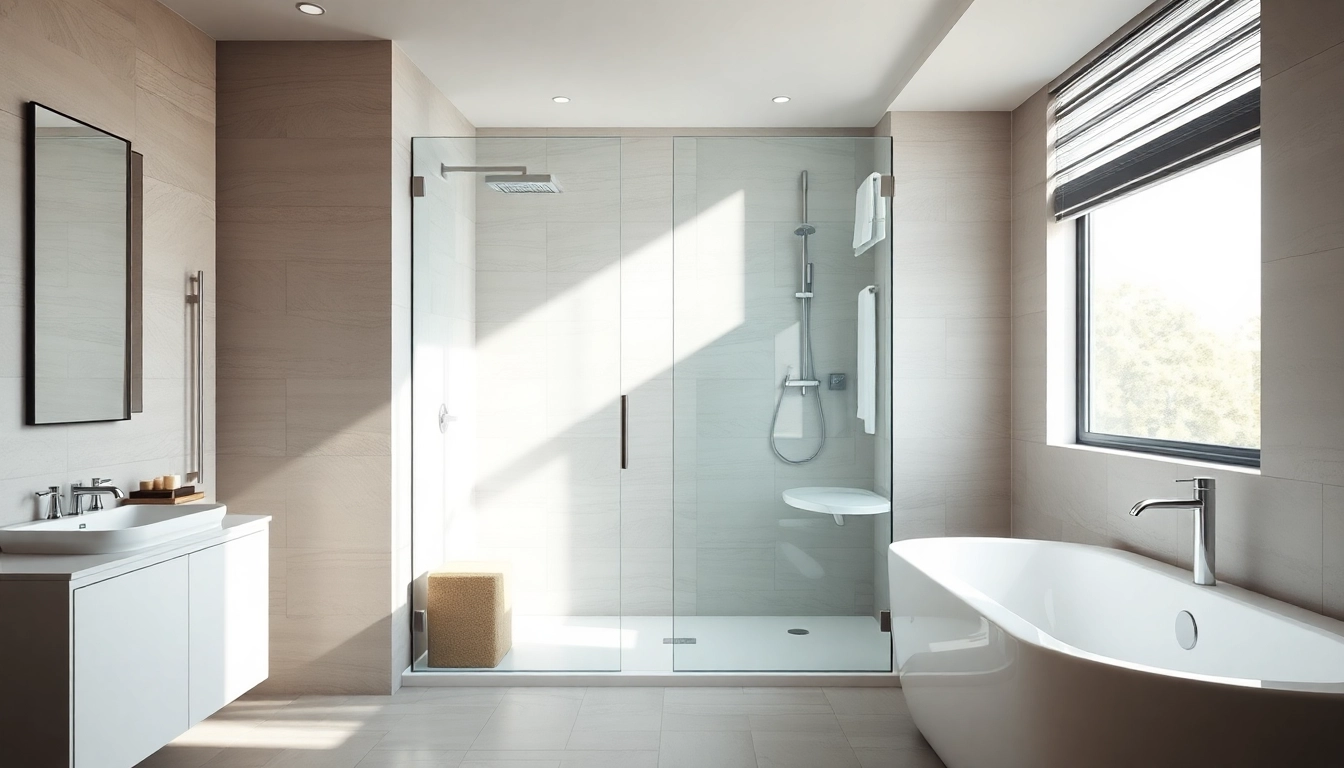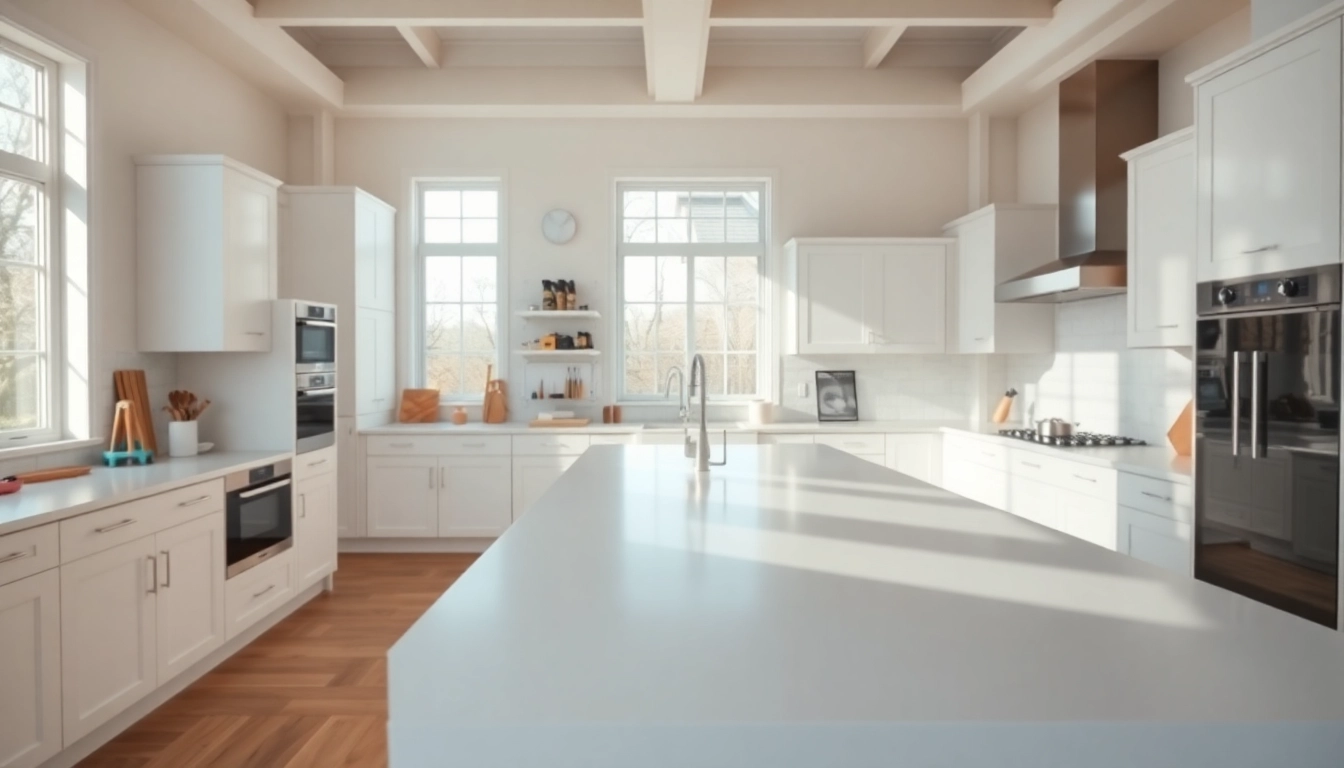
Introduction to Home Renovation
Home renovation serves as both an opportunity for expression and a necessity for improving the quality of living spaces. It encompasses a variety of projects, from simple cosmetic updates to extensive structural changes, allowing homeowners to personalize their living environments. Understanding the significance of Home renovation can empower you to create a space that not only meets your aesthetic preferences but also enhances your property's value and functionality. This article delves into the fundamentals of home renovation, how to plan effectively, budgeting, style choices, hiring professionals, and evaluating project outcomes.
Understanding the Basics of Home Renovation
At its core, home renovation involves upgrading, improving, or altering existing structures and interiors of a home. These projects can vary significantly in scale and scope, including:
- Cosmetic Renovations: Updating surfaces such as painting, wallpapering, or changing fixtures without altering the structure.
- Structural Changes: Modifications that involve walls, roofs, or foundations, including opening up spaces by removing walls.
- Functional Upgrades: Improvements aimed at enhancing usability, such as kitchen remodels or bathroom additions.
- Energy Efficiency Improvements: Projects aimed at enhancing energy savings, such as insulation upgrades or window replacements.
Understanding these categories helps homeowners identify what changes they want to undertake and allows for better communication with contractors and designers.
The Importance of Planning Your Home Renovation
Effective planning is paramount for successful home renovation. A well-thought-out plan helps in managing expectations, timelines, and budgets. Key elements of an effective renovation plan include:
- Defining Goals: Knowing the purpose behind the renovation — whether it’s to improve aesthetics, increase property value, or enhance comfort — sets a clear direction.
- Timeline Creation: Establishing a realistic timeline helps avoid disruption and keeps the renovation process organized, ensuring that projects are completed on schedule.
- Scope of Work: Clearly outlining the tasks and projects involved helps in managing costs and labor effectively.
Without thorough planning, renovations can lead to unexpected challenges, including delays, cost overruns, and dissatisfaction with outcomes.
Common Reasons for Home Renovation Projects
The motivations behind home renovations vary widely among homeowners. Some of the most common reasons include:
- Increasing Property Value: Renovating can significantly boost a home's market value, making it more attractive to potential buyers.
- Personalization: Homeowners often wish to reflect their tastes and lifestyles in their living spaces, prompting renovations to create a more personal environment.
- Functionality Improvements: Changes may be necessary to adapt to evolving needs, such as growing families requiring additional space or older homeowners needing modifications for accessibility.
- Energy Efficiency: Many homeowners embark on renovations to improve energy efficiency, reflecting a growing emphasis on sustainability and utility cost reduction.
Setting a Budget for Home Renovation
Establishing a budget is one of the most critical steps in the renovation process. A clear budget ensures that you can achieve your renovation goals without financial strain.
Estimating Costs for Your Home Renovation
Estimating the costs associated with home renovation can be daunting, but it is essential for effective budgeting. Consider the following factors:
- Scope of Work: Define what areas of the home you are renovating and how extensive the changes will be. This includes labor costs, materials, and any additional services, such as permits or inspections.
- Material Selection: The choice of materials can significantly affect overall costs. Opt for options that balance quality and affordability to stay within budget without compromising aesthetics.
- Labor Costs: Labor can account for a substantial portion of renovation costs, especially for complex projects. Assess local labor rates and determine whether to hire contractors or undertake some work yourself.
Identifying Funding Options for Home Renovation
Understanding financing options is crucial for homeowners considering renovations but lacking immediate capital. Some viable methods include:
- Home Equity Loans: Leveraging the equity built up in your home can provide funds for renovations, often at lower interest rates than traditional loans.
- Personal Loans: Unsecured personal loans can be a quick way to finance renovations, though they typically come with higher interest rates compared to secured loans.
- Credit Cards: Using credit cards for smaller projects can be feasible, particularly if they offer rewards or promotional financing options.
Tips for Sticking to Your Home Renovation Budget
Staying on budget can be challenging, but the following tips can aid in maintaining financial control:
- Prioritize Must-Haves: Distinguish between essential upgrades and non-essential luxuries to avoid overspending.
- Track Expenses: Regular monitoring of expenditures against the budget can help identify discrepancies early, enabling adjustments where necessary.
- Plan for Contingencies: Setting aside a contingency fund of 10-20% of your total budget can help accommodate unexpected expenses that arise during renovations.
Choosing the Right Style for Your Home Renovation
The aesthetic direction of your renovation can greatly enhance the feel and function of your home. Choosing a cohesive style helps ensure that renovations reflect your personal taste while maintaining harmony with the existing architecture.
Popular Design Trends in Home Renovation
Design trends evolve over time, influenced by cultural shifts, technological advancements, and lifestyle changes. Some current popular design trends include:
- Open Floor Plans: The trend towards open spaces promotes connectivity between rooms and often emphasizes natural light.
- Sustainable Materials: Many homeowners are opting for eco-friendly materials, reflecting a commitment to sustainability and reduced environmental impact.
- Minimalism: This trend focuses on clean lines, functional designs, and reducing clutter, appealing to those drawn to a more streamlined aesthetic.
How to Incorporate Personal Style in Home Renovation
While trends can provide inspiration, it's essential to incorporate personal style into your renovation. Consider the following strategies:
- Color Palette Selection: Choose colors that evoke memories or emotions tied to your personal experiences. This can foster a more comforting and inviting atmosphere.
- Unique Fixtures and Features: Adding personalized elements, such as custom cabinetry or unique light fixtures, can set your home apart and reflect your style.
- Curated Décor: Incorporate art, textiles, and furniture that resonate with you, creating a cohesive space that tells your story.
Balancing Aesthetics and Functionality in Home Renovation
Renovations should achieve an equilibrium between visual appeal and practical usability. Keep the following points in mind:
- Design for Purpose: Each space should serve its intended function efficiently. For instance, a kitchen needs to accommodate cooking and entertaining efficiently.
- Future-Proofing: Consider potential future needs during the design phase. For example, creating adaptable spaces can extend the longevity of your renovation.
- Quality over Quantity: Opting for fewer high-quality elements can often yield a more refined look than overcrowding spaces with average-quality items.
Hiring Professionals for Your Home Renovation
Although some homeowners may choose to tackle renovations independently, enlisting the help of professionals can streamline the process significantly and yield higher-quality results.
Finding Reliable Contractors for Home Renovation
Identifying trustworthy professionals is crucial for a successful home renovation. Utilize the following strategies:
- Seek Referrals: Ask friends and family for recommendations or check platforms that rate contractors based on customer feedback.
- Verify Credentials: Always check for necessary licensure, insurance, and certifications to ensure that contractors are qualified for the work they provide.
- Review Portfolios: Evaluate past work through portfolios or case studies to ensure that the contractor's style aligns with your vision.
Questions to Ask Before Hiring for Home Renovation
Before finalizing your choice of contractors, ensure you ask the right questions, such as:
- What is your estimated timeline for this project? Understanding the timeline helps align expectations.
- Can you provide references from previous clients? Feedback from past clients sheds light on their satisfaction and the contractor's reliability.
- What is included in your estimate? Clarifying what is and isn’t included in the cost can prevent misunderstandings later in the project.
Staying Involved During Your Home Renovation
Maintaining communication with contractors during the renovation process is vital. Keep the following tips in mind:
- Schedule Regular Check-Ins: Plan regular updates to track progress, address concerns, and make decisions promptly when necessary.
- Document Changes: Keep a diary or log of changes to keep track of discussions and decisions made during the renovation.
- Be Available: Ensure you are accessible for discussions, especially regarding significant decisions that could impact progress or costs.
Evaluating the Completion of Your Home Renovation
After the dust has settled and your renovation is complete, conducting a thorough evaluation is critical for ensuring everything meets your expectations.
How to Inspect Your Home Renovation Work
When evaluating your renovation, focus on the following areas:
- Quality of Workmanship: Inspect the details of the work, including finishes, alignments, and any visible defects that need to be addressed.
- Functionality of Spaces: Assess whether the spaces function adequately, meeting the intended purposes.
- Compliance with Plans: Compare the finished project against the original plans to ensure all aspects were completed as intended.
Understanding Warranties and Guarantees in Home Renovation
Be aware of the warranties and guarantees associated with the work done. Key points to consider include:
- Contractor Warranties: Many contractors offer warranties on their work, which can cover unexpected issues that may arise post-renovation.
- Manufacturer Guarantees: Ensure you are informed about product warranties on materials used, as they can affect the long-term reliability of renovations.
Next Steps After Completing Your Home Renovation
After completing your renovation, consider taking these steps:
- Celebrate Your Achievements: Take time to enjoy your newly renovated space and acknowledge the work put into creating it.
- Document Changes: Maintain a record of changes for future maintenance and potential resale of the property.
- Plan for Future Needs: Reflect on any future renovations you wish to undertake based on your experiences during this renovation.