Understanding the Fundamentals of Gardening
Gardening is a rewarding hobby that brings together creativity, patience, and nature. It allows individuals to cultivate their own plants, flowers, vegetables, and herbs, providing fulfillment, relaxation, and even sustenance. Whether you're a novice or a seasoned gardener, understanding Gardening basics is crucial to developing a green thumb.
What is Gardening?
At its core, gardening is the practice of cultivating and nurturing various forms of plant life. This can take place in a variety of settings, including residential backyards, community gardens, or even urban apartments. A garden can yield edible produce, beautiful flowers for aesthetic appeal, or serve as a sanctuary for relaxation and meditation. Gardening encompasses understanding plant species, soil types, climatic conditions, and pest management to create a thriving environment for growth.
The Benefits of Gardening
The benefits of gardening extend beyond aesthetic appreciation and food production. Engaging in gardening activities promotes mental health by reducing anxiety and depression through exposure to nature. Additionally, it improves physical health, providing exercise and encouraging outdoor activity. The act of nurturing plants can improve one’s emotional resilience, as it teaches patience and responsibility.
Tools Every Gardener Needs
Having the right tools can make gardening more efficient and enjoyable. Essential gardening tools include:
- Hand tools: Trowels, pruning shears, and cultivators help with planting and maintenance.
- Gloves: Protect your hands while working with soil and plants.
- Watering can or hose: Ensures your plants receive adequate moisture.
- Gardening spade: Useful for digging and turning soil.
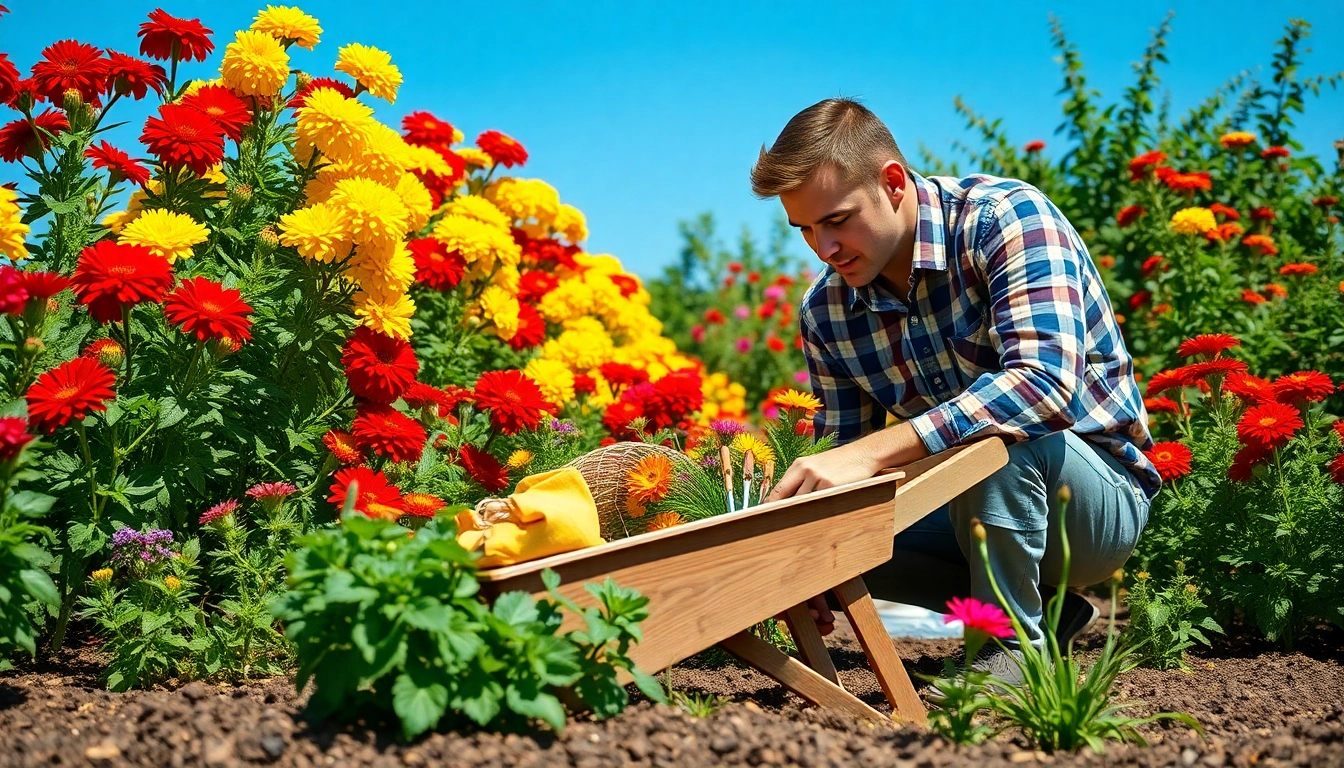
- Wheelbarrow: Ideal for transporting soil, plants, and other materials.
Choosing the Right Location for Your Garden
The location of your garden plays a critical role in plant success. Several factors, including sunlight, soil quality, and accessibility to water, must be considered when planning a garden site.
Sunlight and Soil Considerations
Most plants require at least 6 hours of direct sunlight each day for optimal growth. It's important to observe how sunlight moves across your potential gardening area before planting. In addition to sunlight, soil quality is crucial; well-draining, nutritious soil will facilitate healthy growth.
Water Accessibility in Gardening
Having easy access to water is vital for consistent plant care. Gardens should ideally be located near a water source, such as a hose, rain barrel, or garden tap. Consider the layout to ensure that watering is convenient and efficient.
Planning Your Garden Layout
Effective garden planning increases productivity and reduces maintenance. Start by sketching your garden layout, taking into account the mature size of plants and their sunlight requirements. Group plants with similar needs together for easier care and maintenance.
Types of Gardening: From Flowers to Vegetables
Gardening can take many forms, ranging from ornamental flower gardening to practical vegetable cultivation. Understanding the different types of gardening can help you decide what suits your interests and lifestyle best.
Vegetable Gardening for Beginners
Vegetable gardening involves growing edible plants that can support your kitchen. Beginners should start with easy-to-grow vegetables such as tomatoes, radishes, or lettuce. Ensuring a sunny location and selecting good-quality seeds or seedlings will lead to a successful harvest.
Flowers: Choosing Color and Seasonal Blooms
Flower gardening allows for creativity and customization to enhance your outdoor space. Choose flowers based on their growth seasons and colors to create vibrant displays year-round. Consider mixing perennials, which return each year, with annuals, which bloom for one season, to maintain continuous bloom throughout the year.
Herb Gardening in Small Spaces
Herb gardening is perfect for those with limited space, as herbs can thrive in small containers or window boxes. Common herbs such as basil, rosemary, and cilantro can be grown near your kitchen for easy access while cooking.
Advanced Gardening Techniques
As gardeners gain experience, they may wish to explore advanced techniques to improve plant health and yield. These methods require more knowledge but can significantly enhance the gardening experience.
Companion Planting Strategies
Companion planting involves growing different plants in proximity for mutual benefits, such as pest control and enhanced growth. For instance, planting marigolds near tomatoes can deter common pests, while certain herbs can improve the flavor of nearby vegetables.
Pest Control in Gardening
Managing pests is essential to protect your garden. Organic pest control methods, such as introducing beneficial insects like ladybugs or using neem oil, can help minimize damage. Regular monitoring of plants will help identify problems early on.
Organic Gardening Practices
Organic gardening prioritizes sustainability and the health of ecosystems by avoiding synthetic fertilizers and pesticides. Techniques include composting, crop rotation, and using organic mulch to enrich soil and protect plant health.
Maintaining Your Garden Year-Round
Year-round maintenance is key to ensuring a vibrant garden. Seasonal tasks and preparations help gardens thrive. Understanding what to do in each season enhances the gardening experience.
Seasonal Gardening Tasks
Each season requires specific tasks to keep the garden in peak condition. In spring, prepare soil and start planting. Summer involves regular watering and weeding, while fall is the time for harvesting and mulching. Winter maintenance may include protecting dormant plants and planning for the next season.
Weather-Proofing Your Garden
Weather fluctuations can impact garden health. Consider mulching in the heat of summer to retain moisture, or using covers or cold frames in winter to protect sensitive plants. Understanding your local climate's patterns will help you make informed decisions about protective measures.
Harvesting and Storing Your Produce
Knowing when and how to harvest fruits and vegetables will ensure that you enjoy the best flavors and textures. Proper storage practices, such as refrigeration for certain produce, will extend freshness and reduce waste.