Understanding the Basics of Gardening
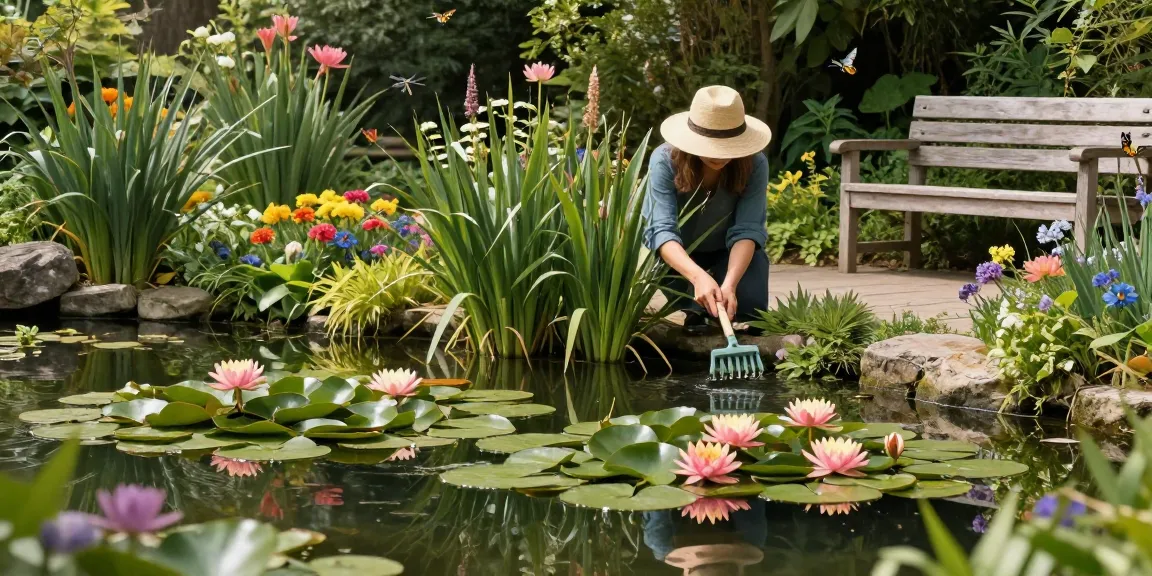
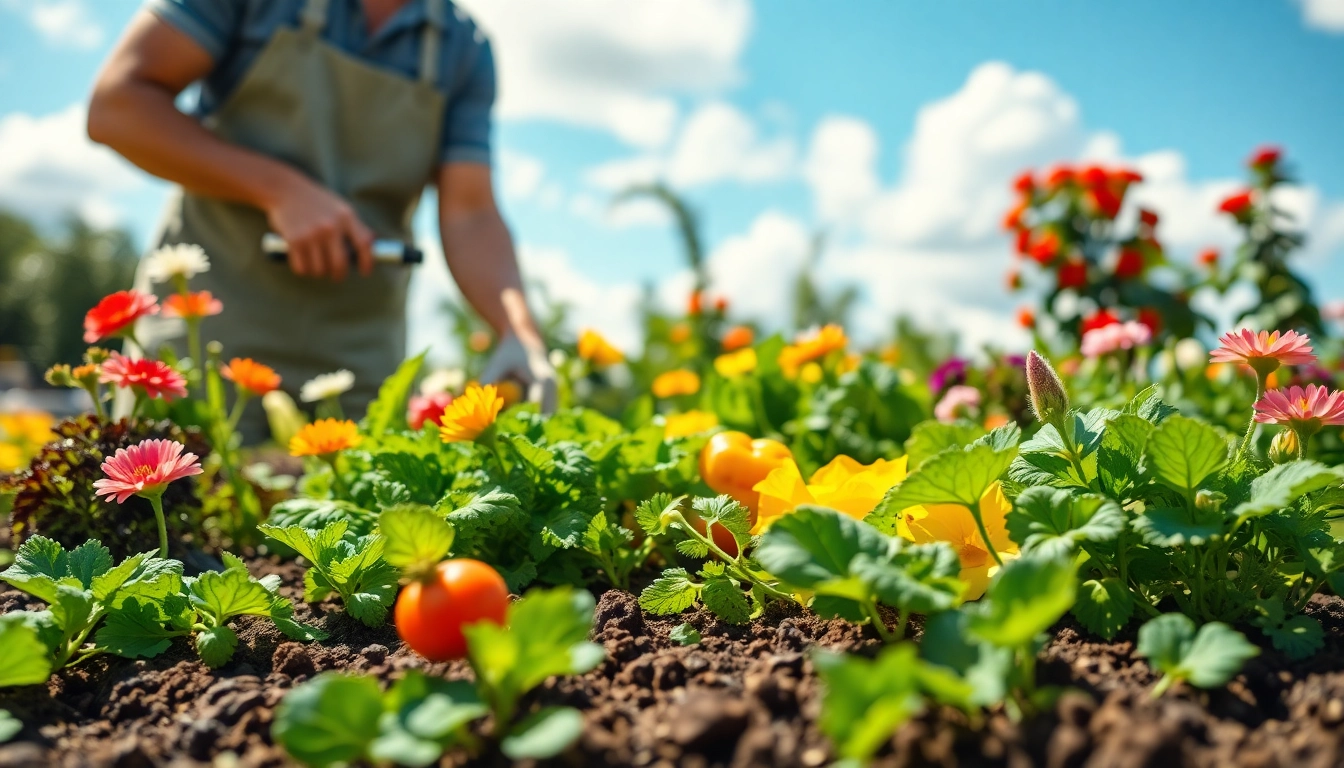
Gardening is more than just planting seeds in soil—it’s an art and a science that brings joy and nourishment to our lives. Whether you're looking to grow a few herbs on your windowsill or create a sprawling vegetable garden in your backyard, the principles of Gardening remain the same. This article explores the essentials of gardening, equipping both novice and seasoned gardeners with the knowledge they need to cultivate thriving plants
Types of Gardening: From Backyard to Container
Before you dig into the soil, it's crucial to understand the various types of gardening styles available, each tailored to different environments and goals:
- Backyard Gardening: This traditional form utilizes dedicated space in the backyard for larger gardens. It allows for the growth of various plants, including vegetables, flowers, and shrubs.
- Container Gardening: Perfect for small spaces, this method allows gardeners to utilize pots or containers, easily adjustable to different locations or patios.
- Vertical Gardening: Ideal for urban environments, vertical gardening involves planting upwards on structures like walls or trellises, maximizing plant growth in limited ground space.
- Community Gardening: A social initiative where individuals come together to garden in shared spaces, often resulting in educational experiences and enhanced local biodiversity.
- Hydroponic Gardening: Utilizing a soilless system, hydroponics allows for growing plants in nutrient-rich water, making it an efficient method that requires less space.
Each style has its unique benefits and challenges, and understanding these will help you choose the right approach for your needs and resources.
Essential Tools for Gardening Success
Gardening requires a selection of tools to help you efficiently cultivate your plants. Here’s a list of essential tools every gardener should consider:
- Hand Tools: Trowels, pruners, and weeders are essential for planting, pruning, and maintaining your garden.
- Garden Rake: Helps in preparing soil, leveling areas, and mixing in compost or fertilizers.
- Hoses and Watering Cans: Proper watering is critical; a good hose or watering can allows you to deliver water precisely where it's needed.
- Gardening Gloves: Protect your hands from blisters and exposure to dirt and chemicals.
- Wheelbarrow: Essential for moving soil, compost, plants, and tools around your garden.
Investing in quality tools can significantly enhance your gardening experience and efficiency, ultimately contributing to the success of your gardening endeavors.
Soil Health: The Foundation of Your Garden
The quality of the soil in your garden is paramount. Healthy soil provides essential nutrients, supports root systems, and retains moisture for plants. To maintain optimum soil health, consider these factors:
- Soil Composition: Know what your soil is made of. A mixture of sand, silt, and clay often holds the best nutrient and moisture balance.
- Soil Amendments: Incorporating organic matter, such as compost or aged manure, can improve soil structure and fertility.
- pH Levels: Test your soil's pH to ensure it supports the plants you're interested in growing; many plants thrive in slightly acidic to neutral pH levels.
Regular testing and amending your soil can lead to a thriving garden that consistently delivers healthy plants.
Choosing the Right Plants for Your Garden
Plant selection is as critical as the soil you cultivate in. Different plants thrive under varying conditions, so understanding what to grow can lead to optimal success.
Seasonal Planting Guide for Gardening
Planting during the right season ensures your plants have the best chance to flourish. Use this simple guide to understand when to plant specific types of vegetation:
- Spring: Generally, this is the ideal time for annual flowers, leafy greens, and many vegetables like tomatoes and peppers.
- Summer: Focus on crops that thrive in warm weather, such as cucumbers, squash, and melons.
- Fall: Great for planting bulbs and cool-season vegetables such as kale and radishes.
- Winter: While active gardening dwindles, using this time for garden planning or planting winter crops in milder climates can be fruitful.
By adhering to a seasonal planting strategy, you maximize the potential for growth and yields.
Native vs. Exotic Plants: What to Choose?
Choosing between native and exotic plants can affect biodiversity, maintenance, and the health of your garden. Here’s a breakdown:
- Native Plants: These plants are adapted to your region, requiring less water and maintenance while often supporting local wildlife.
- Exotic Plants: While they can add diversity and beauty, they may require more care and attention and could become invasive if not managed properly.
A well-balanced garden can incorporate both native and exotic species, enhancing both aesthetics and ecological value.
Companion Planting: Enhancing Growth Naturally
Companion planting is an effective gardening strategy where certain plants enhance each other's growth when planted together. Some well-known pairs include:
- Tomatoes and Basil: Basil can repel pests that harm tomato plants and can enhance their flavor.
- Carrots and Onions: These plants can help deter each other's pests.
- Beans and Corn: Beans fix nitrogen in the soil, benefiting corn's growth, while the corn provides support for the beans to climb.
Implementing companion planting can result in a healthier, more productive garden.
Watering Practices to Optimize Growth
Watering is a critical factor in gardening. Too much or too little can lead to plant stress, disease, or death. How you water your plants can make a substantial difference in their health and productivity.
Understanding Water Requirements for Different Plants
Different plants have varying water needs. Recognizing these needs helps in scheduling your watering effectively:
- Drought-Tolerant Plants: These plants require minimal watering once established; examples include succulents and lavender.
- Water-Loving Plants: Some plants, like ferns, thrive in moist environments and require regular watering.
- Vegetables: Many vegetables need consistent moisture but should not be waterlogged to prevent root rot.
Listening to your plants' water needs leads to more robust and sustainable growth.
Irrigation Systems: Which One Works Best?
Selecting an appropriate irrigation system can save time, effort, and water usage. Here are several options to consider:
- Drip Irrigation: This system delivers water directly to the roots, reducing evaporation and runoff.
- Sprinkler Systems: Useful for larger areas, but be mindful of how often and how long you run them to avoid overwatering.
- Soaker Hoses: A practical choice for vegetable gardens, allowing water to seep out along the length of the hose, catering specifically to the plants’ root zones.
Know your garden's layout and plants to determine which irrigation system best meets your requirements.
Rainwater Harvesting for Sustainable Gardening
Rainwater harvesting has gained popularity in sustainable gardening practices. Collecting rainwater can provide an eco-friendly water source for your plants.
To begin:
- Install Rain Barrels: Place barrels under downspouts to catch rainwater, which can then be used to water your garden.
- Utilize Swales: These are trenches that direct rainwater to specific areas of your garden, promoting infiltration and reducing erosion.
- Plan Your Landscape: Designing your garden to contour with the natural flow of water can reduce runoff and promote water retention.
Collecting rainwater not only saves resources but also enhances the sustainability of your gardening practices.
Pest and Disease Management in Gardening
Dealing with pests and diseases can be one of a gardener's most frustrating challenges. However, knowledge and proactive strategies can help mitigate these issues.
Identifying Common Garden Pests
Understanding the types of pests that may invade your garden is crucial. Some common garden pests include:
- Aphids: Small insects that suck sap from plants, causing stunted growth.
- Spider Mites: Microscopic pests that create webs and thrive in dry conditions.
- Slugs and Snails: These creatures feed on leafy plants, creating holes and damage.
Monitoring your garden regularly helps catch pest problems early, leading to more effective management strategies.
Organic Solutions for Pest Control
Utilizing organic methods for pest management is not only healthier for your plants but also for the environment. Some effective organic solutions include:
- Neem Oil: An organic pesticide that disrupts pests' life cycles, preventing them from feeding or reproducing.
- Insecticidal Soap: Effective against soft-bodied insects by suffocating them.
- Companion Planting: As previously discussed, certain plants can naturally repel pests or attract beneficial insects.
Employing these solutions can help maintain a healthy ecosystem and protect your plants.
Preventing Diseases in Your Garden
Garden diseases can devastate plants if not managed effectively. Prevention begins with good gardening practices:
- Crop Rotation: Changing where you plant crops each season can prevent pathogen buildup in the soil.
- Proper Watering: Watering at the base of plants can prevent the spread of fungal diseases that thrive in moist conditions.
- Sanitize Tools: Regular cleaning of tools helps prevent the spread of pathogens between plants.
Cultivating disease-inhibiting practices will promote healthier plants and a more productive garden.
Advanced Techniques for Experienced Gardeners
Once you've mastered the basics, you may want to explore advanced gardening techniques. These methods can enhance your gardening experience and yield even greater results.
Vertical Gardening: Maximizing Your Space
Vertical gardening is not only space-saving but can also create stunning visual displays. Techniques include:
- Wall Planters: Utilizing wall-mounted containers or pockets for growing various plants.
- Trellises: Supporting climbing plants like beans and cucumbers, integrating vertical elements into your design.
- Hanging Planters: Using hanging baskets to grow herbs, flowers, or small fruits.
This method not only enhances aesthetics but also improves air circulation and minimizes ground pests.
Seed Starting: From Indoor to Outdoor
Starting seeds indoors can jumpstart your growing season and provide more control over your planting environment:
- Choosing Seeds: Select varieties suitable for your region and growing conditions.
- Soil and Containers: Use seed-starting mix in trays or pots to promote germination.
- Hardening Off: Gradually acclimate indoor seedlings to outdoor conditions before permanently transplanting them.
Proficient seed starting can result in healthier plants that are more resilient to environmental stressors.
Creating Diverse Ecological Gardens
Creating a garden that mimics natural ecosystems can enhance biodiversity and attract beneficial wildlife, including pollinators:
- Plant Diversity: Incorporating a variety of plants can support diverse insects and wildlife.
- Pollinator Gardens: Plant native flowers that attract bees, butterflies, and other pollinators, improving cross-pollination.
- Native Habitats: Design areas with native plants to provide shelter and food for local wildlife.
Diverse ecological gardens not only contribute positively to the environment but also provide a riot of color and life in your outdoor space.