The Basics of Gardening
Gardening is not merely a hobby; it is an intricate dance between nature and nurture. At its core, gardening involves cultivating plant life within a designated area, integrating elements like soil health, sunlight exposure, and water requirements to cultivate thriving foliage. Whether you are aiming to grow vegetables, flowers, or a fragrant herb garden, understanding the basics is essential for success. For those looking to explore various aspects of Gardening, knowing how to establish a solid foundation is crucial.
Understanding Soil and Sunlight
The soil is the lifeblood of your garden. It provides the necessary nutrients, supports root systems, and retains moisture essential for plant growth. The quality of soil can vary significantly depending on location, so testing your soil is a recommended first step. Soil testing kits can measure pH levels and nutrient content, assisting you in making informed amendments.
Sunlight is another crucial factor. Most plants require at least six hours of direct sunlight daily. Understanding your specific garden plot's sunlight exposure can guide you in selecting the right plants. Consider areas with varying light levels—some plants thrive in full sun, while others prefer partial shade.
Choosing the Right Plants
Once you have a handle on your soil and sunlight, it’s time to choose plants. Consider your climate zone, as plants are often adapted to thrive within specific temperature ranges and seasonal changes. Native plants are generally more resilient and require less maintenance. Additionally, think about your gardening goals—are you looking for visual appeal, scent, or edible produce? Each plant has unique requirements and benefits.
Basic Gardening Tools You Need
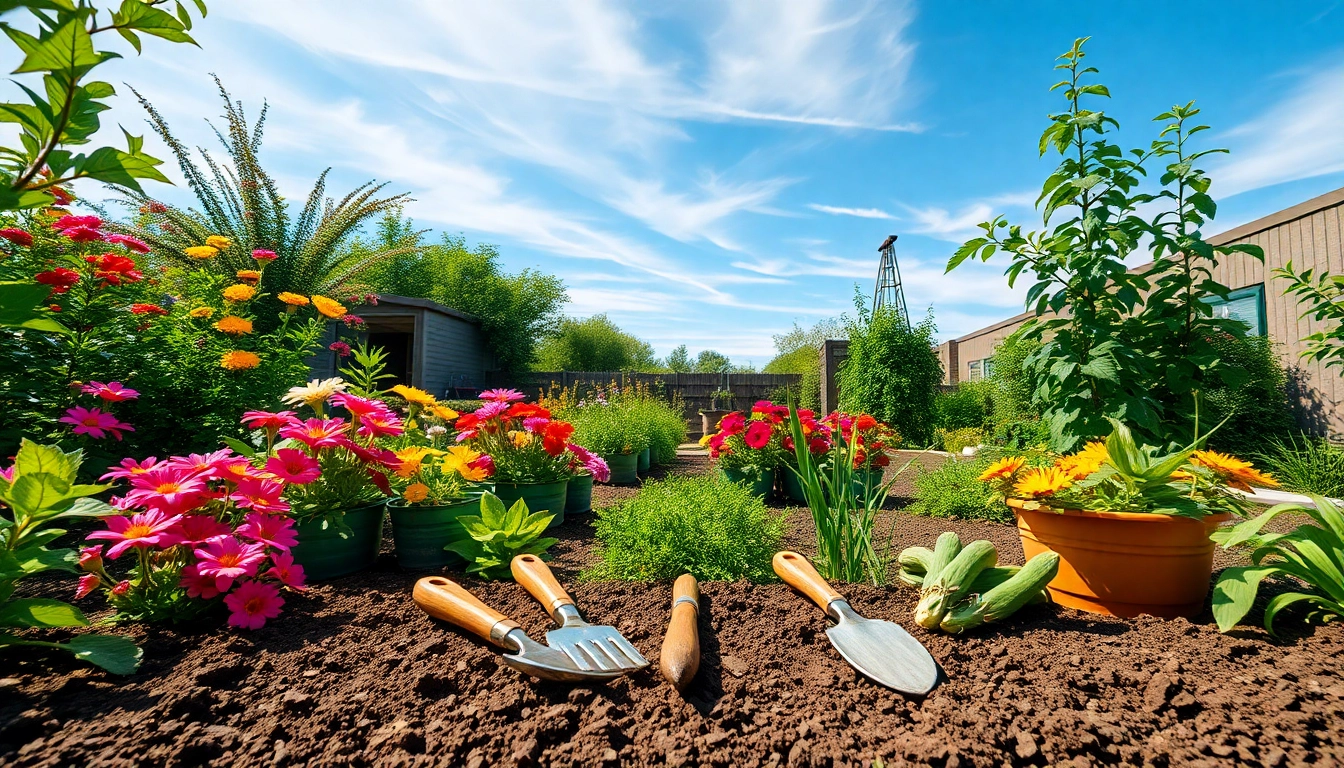
No gardener can succeed without a few essential tools. A sturdy spade is invaluable for digging and turning soil, while a trowel allows for precision planting and weeding. Pruning shears are necessary for maintaining plant shapes and health, and gloves protect your hands from thorns and blisters. Investing in quality tools can make the labor of gardening much more manageable and enjoyable.
Planning Your Garden Layout
A clear and thoughtful plan makes all the difference in gardening success. Layout planning anticipates plant growth and maximizes space utilization, whether you’re working with a sprawling yard or a quaint balcony.
Design Principles for Efficient Gardening
When organizing your garden, consider key design principles such as balance, contrast, and harmony. Different heights and colors add visual interest, while clustering similar plants can create a cohesive look. For instance, placing taller plants at the back of flowerbeds ensures that all plants receive equal sunlight while also maintaining an aesthetically pleasing view.
How to Maximize Space in Small Gardens
Small gardens present unique challenges but also opportunities for creativity. Vertical gardening techniques, such as wall planters, trellises, and hanging baskets, can double your planting space without expanding your footprint. Additionally, using containers allows for mobility and flexibility, enabling you to adapt your layout based on sunlight exposure throughout the day.
Seasonal Planning for Year-Round Gardening
Understanding your growing season is vital for successful gardening. By planning ahead, you can extend your gardening season and enjoy fresh produce year-round. Choose crops wisely; cool-season plants can thrive in spring and fall, whereas warm-season plants do well in summer. Succession planting—adding new plants at intervals—ensures that you continuously harvest while making the most of your available space.
Essential Gardening Techniques
Beyond the basics, mastering specific techniques elevates your gardening game. Employing the right methods not only promotes plant health but also supports efficient gardening practices.
Watering Strategies for Healthy Plants
Watering frequency and methods significantly impact plant health. Early morning is the best time to water, allowing moisture to soak into the soil before midday heat evaporates it. Drip irrigation systems minimize water waste and deliver moisture directly to plant roots. Monitoring soil moisture levels helps determine appropriate watering needs and prevent overwatering.
Fertilizing: Best Practices for Growth
Fertilization enriches soil with essential nutrients, promoting healthy growth. It’s important to choose the right fertilizer—organic options often provide a slower, steadier release of nutrients, benefiting long-term soil health. Conducting soil tests regularly can help tailor your fertilization regimen to ensure your plants receive the exact nutrients required for optimal growth.
Companion Planting for Pest Control
Companion planting involves positioning different plants close together to enhance growth and deter pests. Certain plants, like marigolds, naturally repel harmful insects and can be interplanted with vegetables to create a more resilient ecosystem. Herbs such as basil can also enhance flavors and deter pests, providing benefits beyond just aesthetic value.
Challenges in Gardening and Their Solutions
Dealing with Pests Effectively
Pest management is a critical aspect of maintaining a healthy garden. Regularly inspecting plants for signs of pest infestations allows for early detection and control measures. Natural pesticides, insect traps, and organic deterrents can manage pest populations effectively without harming beneficial insects.
Managing Weeds without Chemicals
Weeds compete for nutrients, water, and light. Hand-pulling is often the simplest solution, but maintaining a thick layer of mulch can inhibit weed growth and retain soil moisture. Additionally, utilizing ground cover plants can outcompete weeds for resources, effectively filling garden spaces and reducing maintenance.
Weather Challenges: Adapting to Conditions
Weather can be unpredictable, and learning to adapt is part of the gardener’s journey. Protecting young plants with row covers in the event of frost, utilizing shade cloth during heat waves, and ensuring proper drainage to combat flooding are essential techniques to safeguard your plants.
Advanced Gardening Practices
Once you've grasped the basics and mastered necessary techniques, you might be ready to delve into advanced gardening practices that further enhance your garden's vitality.
Organic Gardening Methods for Sustainability
Organic gardening emphasizes sustainability through natural practices. Embracing composting enriches your soil with nutrients while reducing waste. Implementing crop rotation prevents soil depletion and reduces pest infestations. Adopting organic gardening practices supports environmental health and lets you enjoy chemical-free produce.
Tech Innovations for Modern Gardening
Modern technology is shaping the gardening landscape. Sensors and smart irrigation systems enable precise water application, while apps can help you track growth progress and remind you of essential care tasks. Utilizing gardening technology not only streamlines your gardening efforts but also enhances overall efficiency.
Community Gardening: Benefits and Strategies
Community gardening fosters social connections while promoting local food production. Collaborating with neighbors cultivates a sense of belonging and shared responsibility. Forming a community gardening group can also lead to pooled resources, shared knowledge, and a collective approach to pest management and garden design.
Gardening is a delicate balance of art and science, requiring patience, knowledge, and a willingness to learn. By mastering the basics, planning wisely, and embracing holistic practices, any gardener can cultivate a flourishing oasis that not only beautifies their space but also nourishes the body and soul. Remember, the beauty of gardening lies in its endless avenues for exploration and growth.