Understanding Construction Site Safety
Definition and Importance of Construction Site Safety
Construction site safety refers to the set of protocols, standards, and equipment put in place to safeguard workers and visitors on construction sites. With the construction industry being one of the most hazardous sectors, prioritizing construction site safety is essential. Ensuring safety is not just a regulatory requirement but also a moral obligation to prevent injuries and fatalities. A well-implemented safety system can improve productivity, reduce costs associated with accidents, and enhance overall project performance.
Key Regulations Governing Construction Site Safety
Governments worldwide have established regulations that serve to protect workers on construction sites. In most regions, the Occupational Safety and Health Administration (OSHA) outlines the rules and regulations that help provide a safe working environment. Compliance with OSHA standards can limit the risk of accidents and is crucial for contractor credibility. Key aspects of these regulations include proper training for employees, equipment safety standards, and ensuring safety gear is readily available and used correctly.
Common Hazards on Construction Sites
Construction sites are fraught with numerous hazards that can lead to severe injuries or fatalities. Some common hazards include:
- Falls: The leading cause of construction-related deaths, often due to improper use of scaffolding or lack of fall protection.
- Electrical Hazards: Live wires, improper grounding, and overloaded circuits can lead to electrical shock and fires.
- Heavy Machinery: Operating equipment without adequate training can result in accidents and injuries.
- Slips and Trips: Wet surfaces, debris, and uneven terrain are common causes of slips and trips on construction sites.
Essential Safety Equipment for Construction Sites
Personal Protective Equipment (PPE) Essentials
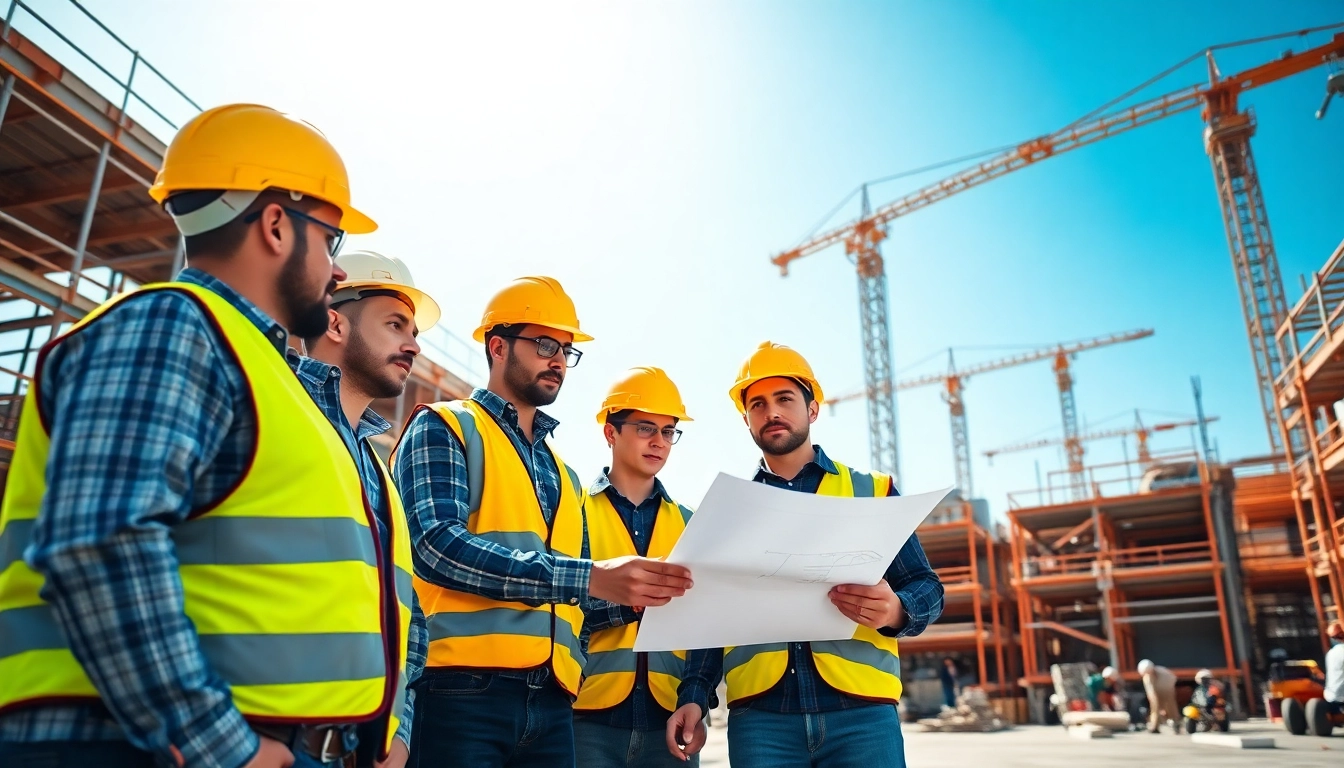
Personal Protective Equipment (PPE) is critical for safeguarding construction workers against potential hazards. Essential PPE includes:
- Hard Hats: Designed to protect against head injuries from falling objects.
- Safety Goggles: Protects the eyes from dust, debris, and harmful chemicals.
- Gloves: Shields hands from cuts, abrasions, and chemicals.
- High-Visibility Clothing: Ensures workers are seen, particularly in low-light conditions.
- Safety Footwear: Steel-toed boots provide protection against heavy objects and prevent slips.
Tool and Machinery Safety Gear
In addition to PPE, workers must also be equipped with safety gear that safeguards them while using tools and machinery. Key items include:
- Face Shields: Protect against chemical splashes and flying debris.
- Ear Protection: Reduces noise exposure from heavy machinery which can cause hearing loss.
- Respirators: Protect workers from inhaling harmful dust, vapors, and fumes.
- Tool Lanyards: Prevent tools from falling, which can pose a risk to those below.
Signage and Its Role in Construction Site Safety
Effective signage is vital for maintaining safety on construction sites. Signs must clearly communicate hazards, instructions, and safety information. Various types of signage include:
- Warning Signs: Indicates potential hazards that could cause injury.
- Mandatory Signs: Shows required personal protective equipment, such as hard hats or goggles.
- Emergency Exit Signs: Clearly mark escape routes to facilitate quick evacuations.
- Information Signs: Provide workers and visitors with essential site information and contact numbers.
Best Practices for Enhancing Construction Site Safety
Site Management and Planning Strategies
Effective management is key to enhancing safety on construction sites. Planning strategies should include:
- Site Assessments: Regular inspections to identify potential hazards before they become serious issues.
- Safety Plans: Develop and communicate clear safety plans to all team members.
- Risk Metrics: Utilize data to evaluate risk and prioritize safety measures.
- Emergency Preparedness: Prepare for emergencies by developing response strategies for various scenarios.
Training Workers on Safety Protocols
Providing thorough training for employees is essential for ensuring their safety. Training programs should cover:
- Hazard Recognition: Teach workers to identify potential hazards on the job site.
- Proper Use of PPE: Instruct on the importance and correct usage of personal protective equipment.
- Tool Operation: Ensure all equipment operators are fully trained to use machinery safely.
- Emergency Response: Train workers on procedures for various emergencies, including fires and injuries.
Regular Safety Audits and Inspections
Conducting regular safety audits and inspections is crucial to maintaining a safe work environment. Key practices include:
- Scheduled Inspections: Regularly inspect safety equipment, machinery, and working conditions.
- Incident Analysis: Examine past incidents to determine cause and implement preventative measures.
- Document Findings: Keep records of inspections and follow up on corrective actions.
Responding to Accidents on Construction Sites
Emergency Procedures and Protocols
Having emergency procedures in place is vital for minimizing the impact of accidents. This should encompass:
- First Aid Kits: Ensure they are stocked and easily accessible on-site.
- Emergency Contacts: Maintain a clear list of emergency contact numbers and procedures visibly posted.
- Evacuation Plans: Clearly marked escape routes and assembly points should be established and practiced.
Post-Accident Analysis for Safety Improvements
Following any accident, a comprehensive post-accident analysis should be conducted. This involves:
- Investigation: Pinpoint the root cause and contributing factors leading to the accident.
- Recommendations: Develop strategies to prevent similar incidents in the future based on findings.
- Safety Meetings: Hold meetings to discuss findings and reinforce safety protocols among the team.
Reporting and Documenting Incidents
Accurate reporting and documentation of incidents are critical for accountability and continuous improvement. Important steps include:
- Incident Reports: Require detailed reports for all accidents and near misses, including witness statements.
- Data Maintenance: Keep records of incidents to analyze trends and identify improvement areas.
- Regulatory Compliance: Ensure all incidents are reported in accordance with local regulations.
Evaluating the Effectiveness of Construction Site Safety Measures
Key Performance Indicators for Safety Management
To evaluate safety performance effectively, implementing key performance indicators (KPIs) is essential. Common KPIs might include:
- Incident Rates: Monitor the frequency of accidents over time.
- Near Miss Reporting: Track near misses to identify potential hazards before they result in injuries.
- Compliance Ratings: Evaluate adherence to safety regulations during audits and inspections.
Feedback from Workers and Continuous Improvement
Regular feedback from workers is crucial for understanding safety protocols' effectiveness on-site. This can involve:
- Surveys: Conduct anonymous safety surveys to gather honest feedback from workers.
- Suggestion Boxes: Provide avenues for workers to report hazards or suggest improvements.
- Safety Meetings: Create an open dialogue during regular safety reviews for ongoing discussion of challenges and solutions.
Case Studies of Successful Safety Practices
Exploring successful safety practices through case studies can provide insights and strategies for improvement. Learning from others in the field can lead to:
- Benchmarking: Compare safety performance against industry standards.
- Shared Best Practices: Adapt successful strategies observed in other projects.
- Innovation in Safety Solutions: Utilize evidence from case studies to inspire innovative safety solutions specific to your site’s needs.
FAQs About Construction Site Safety
What is the primary goal of construction site safety?
The primary goal is to prevent injuries and fatalities, ensuring a safe working environment for all workers and visitors.
How often should construction site safety audits be conducted?
Safety audits should be conducted regularly, ideally at least once a month, and after any major incident or change on site.
What essential equipment is required for construction workers?
Essential gear includes personal protective equipment like hard hats, safety goggles, gloves, and appropriate footwear.
Why is training important for construction site safety?
Training equips workers to recognize hazards, use equipment safely, and respond effectively to emergencies, reducing risks.
How can near-misses enhance safety measures?
Tracking near misses helps identify potential hazards, allowing teams to implement preventive measures before an incident occurs.