Understanding Precision Plate Cutting
What is Precision Plate Cutting?
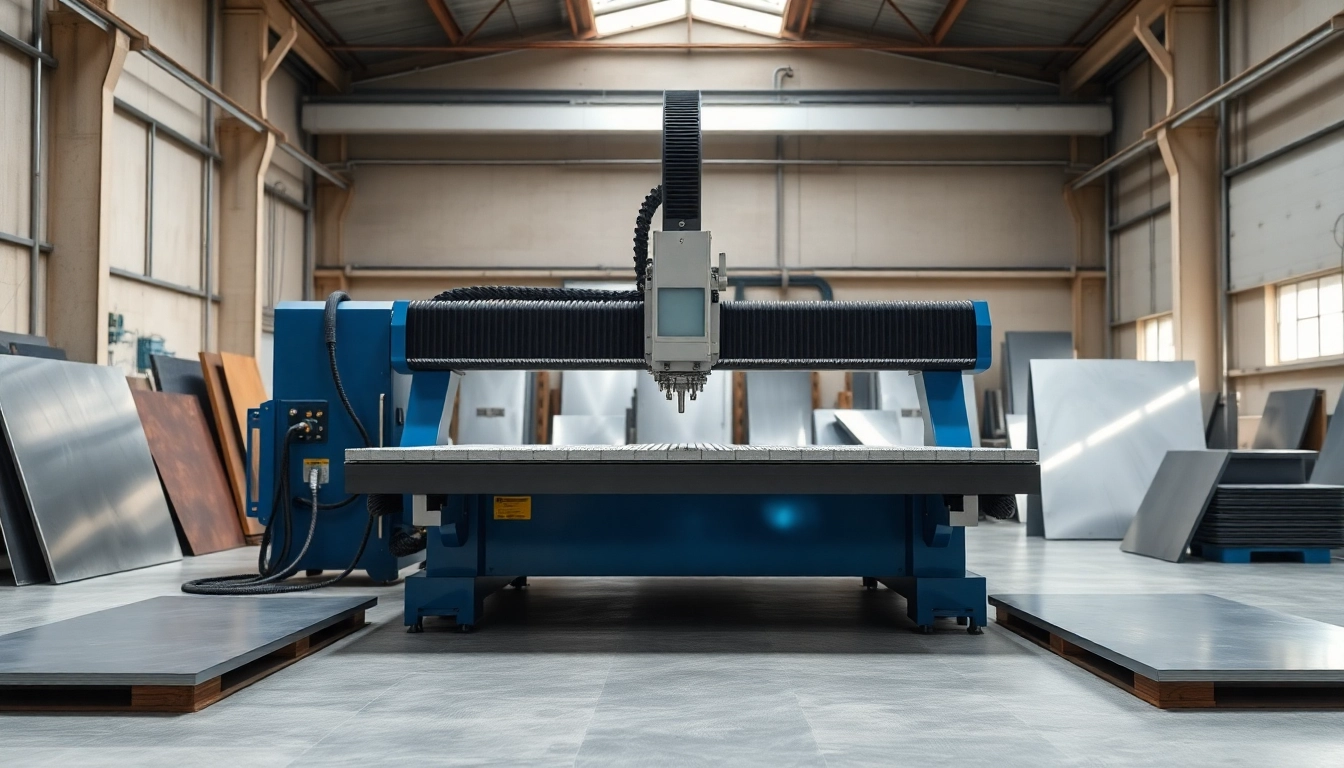
Precision plate cutting refers to the process of accurately cutting metal plates to specific sizes and shapes with high levels of accuracy and minimal waste. Various industries, including aerospace, automotive, and construction, utilize precision plate cutting techniques to create components that meet rigorous specifications. The technology employed can vary from laser and waterjet cutting to CNC machining, each offering distinct advantages depending on the project requirements.
Applications of Precision Plate Cutting
Precision plate cutting is utilized in a range of applications across multiple industries:
- Aerospace: Aircraft components require precise dimensions to ensure safety and performance.
- Automotive: High-performance parts are manufactured to meet stringent tolerances.
- Construction: Structural steel plates are precisely cut for frameworks and infrastructure projects.
- Manufacturing: Custom components are produced for specific machinery and equipment.
Benefits of Precision Plate Cutting
The advantages of precision plate cutting are manifold:
- Accuracy: Automated processes deliver high precision, reducing errors and rework.
- Efficiency: Fast production times lead to quicker turnaround and project completion.
- Material Conservation: Advanced cutting technologies minimize waste, making projects more cost-effective.
- Versatility: Can cut various materials, including metals, plastics, and composites, to meet diverse needs.
Technologies in Precision Plate Cutting
Laser Cutting Techniques
Laser cutting has revolutionized the precision plate cutting landscape. It employs focused laser beams to melt or vaporize material, allowing for intricate designs and high-quality cuts. Industries favor laser cutting for its ability to quickly process thin to moderately thick plates, enabling delicate shapes with smooth edges. Additionally, its non-contact nature means there is less risk of mechanical distortion, which is vital for maintaining tight tolerances.
CNC Machining in Precision Plate Cutting
Computer Numerical Control (CNC) machining incorporates advanced computer technology for precise cutting. This method uses programmed instructions to control the cutting tools, resulting in extremely accurate cuts, and is suitable for both large and intricate pieces. It allows for automation, which is useful in large-scale manufacturing, providing consistency in production.
Waterjet vs. Plasma Cutting
When it comes to selecting a cutting method, waterjet and plasma cutting are two popular options.
- Waterjet Cutting: This method forces a high-pressure stream of water, often mixed with an abrasive substance, to cut materials. It’s particularly effective for heat-sensitive materials since it doesn’t introduce heat, preventing warping.
- Plasma Cutting: Plasma cutting utilizes high-temperature plasma to cut through conductive materials at high speeds. It’s ideal for thicker materials and can produce sharper, cleaner edges compared to traditional methods.
Best Practices for Precision Plate Cutting
Material Selection for Best Results
The choice of material significantly affects cutting outcomes. Selecting a material that aligns with the cutting process is crucial. For instance, stainless steel is highly suitable for laser cutting, whereas heavy-duty metals may require plasma cutting. Understanding the material properties and processing requirements is the first step towards achieving optimal results.
Tool Maintenance and Care
Regular maintenance of cutting tools and machines is essential to ensure longevity and accuracy. This includes routine inspections, cleaning, and timely replacement of worn parts. Ensuring that machines are calibrated correctly can prevent unnecessary errors and extend their operational lifespan.
Minimizing Waste During Cutting
Waste reduction is not only cost-effective but also environmentally friendly. Implementing strategies such as nesting software can maximize material utilization by optimizing the layout of cuts. Additionally, choosing cutting methods that generate less waste, such as laser cutting, contributes to sustainability.
Challenges in Precision Plate Cutting
Dealing with Material Variability
Material variability can pose significant challenges in the precision plate cutting process. Differences in thickness, density, and hardness can lead to inconsistencies. Conducting thorough material inspections before cutting can help mitigate such issues, ensuring all materials adhere closely to specified tolerances.
Common Mistakes to Avoid
Some common pitfalls in precision plate cutting include using incorrect settings for the material type and thickness, which can result in discrepancies. Comprehensive training for operators and validating the parameters before commencing large runs can reduce error rates significantly.
Quality Control Measures
Quality control is imperative when executing precision plate cutting projects. Implementing regular inspections and using advanced measurement tools helps ensure that components meet specified tolerances. Additionally, documenting the cutting process allows for accountability and tracking overall performance.
Future Trends in Precision Plate Cutting
Automation in Precision Cutting
The future of precision plate cutting leans heavily towards automation. Developments in robotics and AI are paving the way for more sophisticated cutting operations, improving efficiency and accuracy while minimizing human error. Full automations allow for 24/7 operations, which can drastically reduce lead times.
Sustainability Practices in Cutting
Modern industries are placing a greater emphasis on sustainability. Practices such as recycling scrap materials and utilizing energy-efficient cutting technologies are becoming standard. Additionally, selecting eco-friendly cutting fluids can minimize the environmental impact of operations.
Advancements in Cutting Technologies
Technology in precision plate cutting continues to evolve. Innovations in laser technology, such as fiber lasers, provide higher efficiency and lower operational costs. Meanwhile, advancements in software capabilities allow for better design integration and process optimization, leading to even greater precision in the final product.
Frequently Asked Questions (FAQs)
What materials can be cut using precision plate cutting?
Precision plate cutting can efficiently cut metals like steel, aluminum, brass, and even non-metals like plastics and composites.
How does laser cutting compare to other methods?
Laser cutting is more precise than traditional methods, producing smoother edges and finer detail. It’s ideal for intricate designs but may not suit very thick materials.
What is the typical thickness range for precision plate cutting?
The thickness can range from thin sheets of less than 1 mm to several inches, depending on the cutting technology used.
How can I minimize waste during the cutting process?
Implementing nesting software and selecting the right cutting method can help maximize material use and minimize scrap during the process.
What are the key factors influencing the quality of cuts?
Key factors include the choice of cutting technology, material type, machine calibration, and operator proficiency. Regular quality checks are also essential.