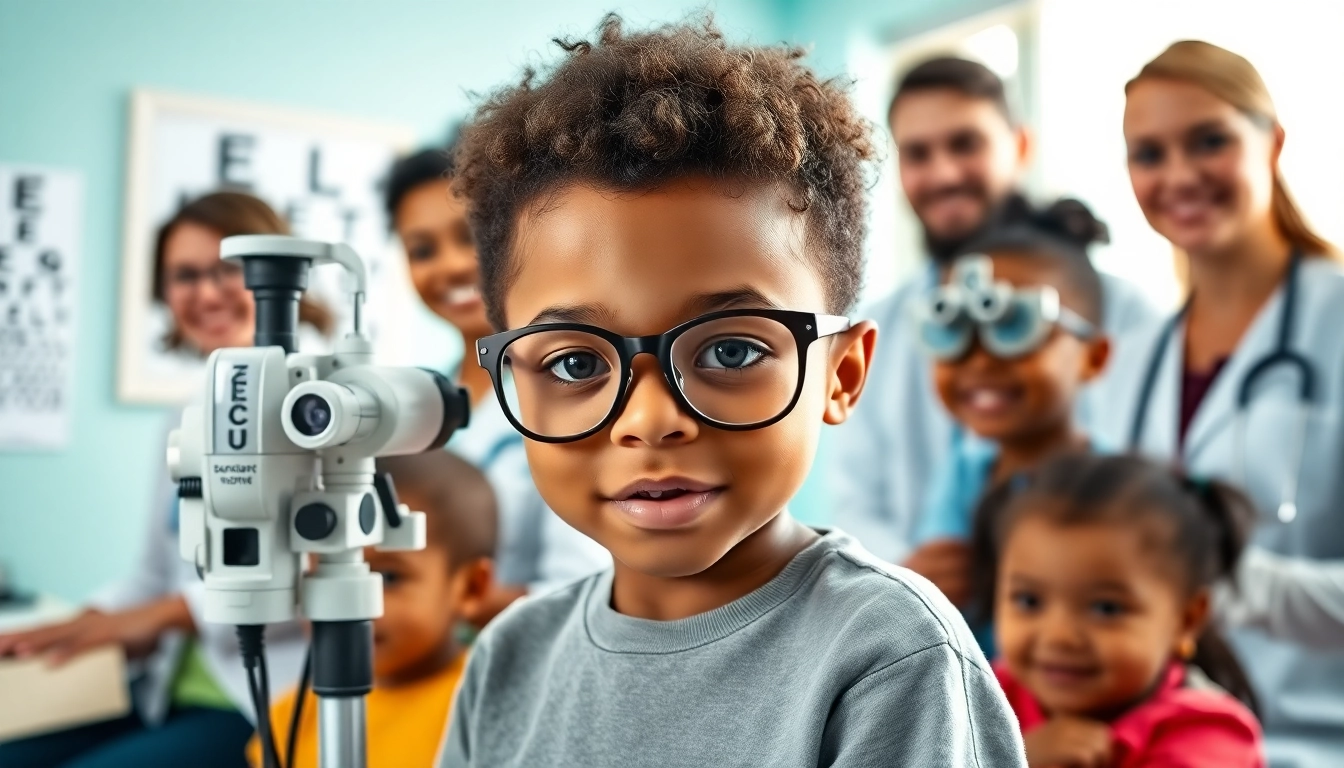
Understanding Our Children's Vision and Eye Health
Vision plays a crucial role in a child's development, affecting not only their ability to learn but also their overall well-being and social interactions. Unfortunately, millions of children worldwide suffer from vision impairment due to a lack of access to essential eye care. It is increasingly important to focus on the well-being of our children's vision and eye health, which is the cornerstone of initiatives such as Our Children's Vision. This program emphasizes the necessity of effective and sustainable eye health initiatives aimed at children and adolescents globally.
Defining Our Children's Vision
Our Children's Vision represents a coalition of organizations, eye care professionals, and advocates dedicated to improving the vision health of children. By raising awareness about the challenges faced by children with vision impairment, the initiative strives to ensure that every child has access to the necessary eye care services. The mission centers on harnessing collective efforts to develop effective programs that bring high-quality eye care to communities that lack these resources.
The Impact of Poor Vision on Children
The implications of poor vision in children reach far beyond the inability to see clearly. Vision impairment can hinder a child’s ability to learn, interact socially, and engage in physical activities. Educational performance may suffer as children struggle with reading, comprehension, and other visual tasks. Furthermore, these challenges can lead to emotional and psychological issues, such as decreased self-esteem and increased social isolation. Hence, ensuring adequate vision care should be a priority for parents, educators, and health providers alike.
Statistics on Children’s Vision Health
Understanding the scale of the problem is vital. Studies indicate that approximately 1 in 5 children has an undiagnosed vision problem. Moreover, over 90 million children globally are at risk of vision impairment, primarily due to the lack of eye care access. These staggering statistics serve as a wake-up call for communities, urging them to prioritize comprehensive eye examinations and screenings for school-age children.
Critical Importance of Routine Eye Exams
Routine eye exams are fundamental to maintaining a healthy vision for children. They play a pivotal role in early detection of vision problems that may otherwise go unnoticed. Regular check-ups can lead to timely interventions that can significantly improve the quality of life for a child.
When Should Your Child Get Their Eyes Checked?
The American Academy of Pediatrics recommends that children have their first comprehensive eye exam at 6 months of age, again at 3 years old, and before they enter first grade. Thereafter, children should have regular check-ups every year. Adjustments may be necessary based on the child’s unique needs, family history, or if any vision problems are suspected.
Types of Vision Screenings for Children
Various methods exist for screening children's vision, including visual acuity tests, overall eye health evaluations, and specific tests for conditions such as lazy eye or strabismus. Schools often conduct basic screenings, but they cannot replace comprehensive eye exams performed by an eye care professional. Such exams typically include a thorough examination of both the internal and external structures of the eye, helping to identify potential problems before they escalate.
What to Expect During an Eye Exam
A comprehensive eye exam is generally straightforward and involves several steps: recording the patient's history, conducting a series of vision tests, and performing examinations of the eyes. Eye care professionals may use various equipment to assess how the eyes work together, check for refractive errors, and scrutinize the health of the retina and other eye components. Understanding this process can increase a child's comfort level, making the experience less intimidating.
Common Vision Problems in Children
Identifying early signs of vision problems is crucial for effective intervention and treatment. Several common vision-related issues affect children, necessitating a keen awareness from parents and guardians.
Myopia, Hyperopia, and Astigmatism
Myopia, or nearsightedness, occurs when children can see nearby objects clearly but struggle with distant ones. Hyperopia, or farsightedness, is the opposite, where distant objects are clear, but nearby ones are blurry. Astigmatism occurs when the cornea is irregularly shaped, leading to distorted vision at any distance. These refractive errors can easily be corrected with glasses or contact lenses, making regular eye exams essential for diagnosis.
Signs Your Child Might Have Vision Issues
Many parents may be unaware that their child has a vision problem. Common signs include squinting, frequent rubbing of the eyes, difficulty reading the board in school, or complaints of headaches. Monitoring your child’s behavior regarding their vision can help you identify potential issues early, ensuring timely professional intervention.
The Role of Genetics in Vision Health
Genetics plays a significant role in some vision problems. Family history often indicates a predisposition to certain conditions, such as myopia or amblyopia. Therefore, it’s essential for parents with a history of vision issues to communicate this to their child’s eye care professional, enabling appropriate monitoring and preventive strategies to be put in place.
Promoting Healthy Vision Habits
While professional eye care is critical, promoting healthy habits at home can also foster good vision health. Families can take proactive steps to facilitate optimal eye health for children.
Encouraging Outdoor Activities for Better Eye Health
Engaging in outdoor activities is beneficial for children’s eye health. Research has shown that spending time outdoors may reduce the risk of developing myopia. Sunlight exposure prompts the release of dopamine in the retina, helping to inhibit excessive axial lengthening of the eye—a primary factor in myopia progression. Encouraging activities such as sports, hiking, or simply playing outside can significantly contribute to a child's health.
Screen Time Guidelines for Children
In the digital age, screen time has become a ubiquitous part of children's lives. However, managing screen time is crucial to prevent vision strain and associated problems. The American Academy of Pediatrics recommends that children aged 2 to 5 years should have no more than one hour of high-quality programming daily. For children aged 6 years and older, consistent limits should be set to ensure that screen use does not interfere with adequate sleep, physical activity, and other healthy behaviors.
Nutrition’s Role in Vision Development
Proper nutrition significantly impacts a child's vision. Nutrients like vitamins A, C, and E, as well as omega-3 fatty acids, play a vital role in maintaining eye health. Introducing a diet rich in fruits, vegetables, and healthy fats can support proper vision development and function. Incorporating staples such as carrots, leafy greens, fish, and nuts into your child's meals can promote optimal health for their eyes.
Resources and Support for Eye Care Initiatives
Access to resources and support can greatly enhance the effectiveness of eye health initiatives aimed at children. Various organizations and communities are working collectively to ensure that all children receive the eye care they deserve.
Community Programs Supporting Our Children's Vision
Local community programs play a pivotal role in promoting children's vision health. Initiatives often include free screenings, educational workshops, and collaborative efforts with schools to ensure children receive timely eye examinations. Partnerships between schools, local optometrists, and non-profits can create a strong support network dedicated to improving outcome for children’s eye health.
How to Get Involved and Make a Difference
Individuals can play a significant role in driving awareness and action regarding children's eye health. Supporting local eye care initiatives, volunteering, or donating resources to organizations like Our Children's Vision can help extend the reach of necessary programs. Awareness campaigns and engagement in discussions about children's vision health are essential for mobilizing community support.
Advocacy for Children's Eye Health Legislation
Advocacy plays an important role in ensuring that legislation is passed to support children's eye health initiatives. Parents, professionals, and community members can engage with policymakers to promote laws that enhance access to eye care services for children across various demographics. Collective advocacy efforts can lead to substantive changes that positively impact the future of children's vision health.