Understanding the Basics of Wood Slat Wall Panel
What is a Wood Slat Wall Panel?
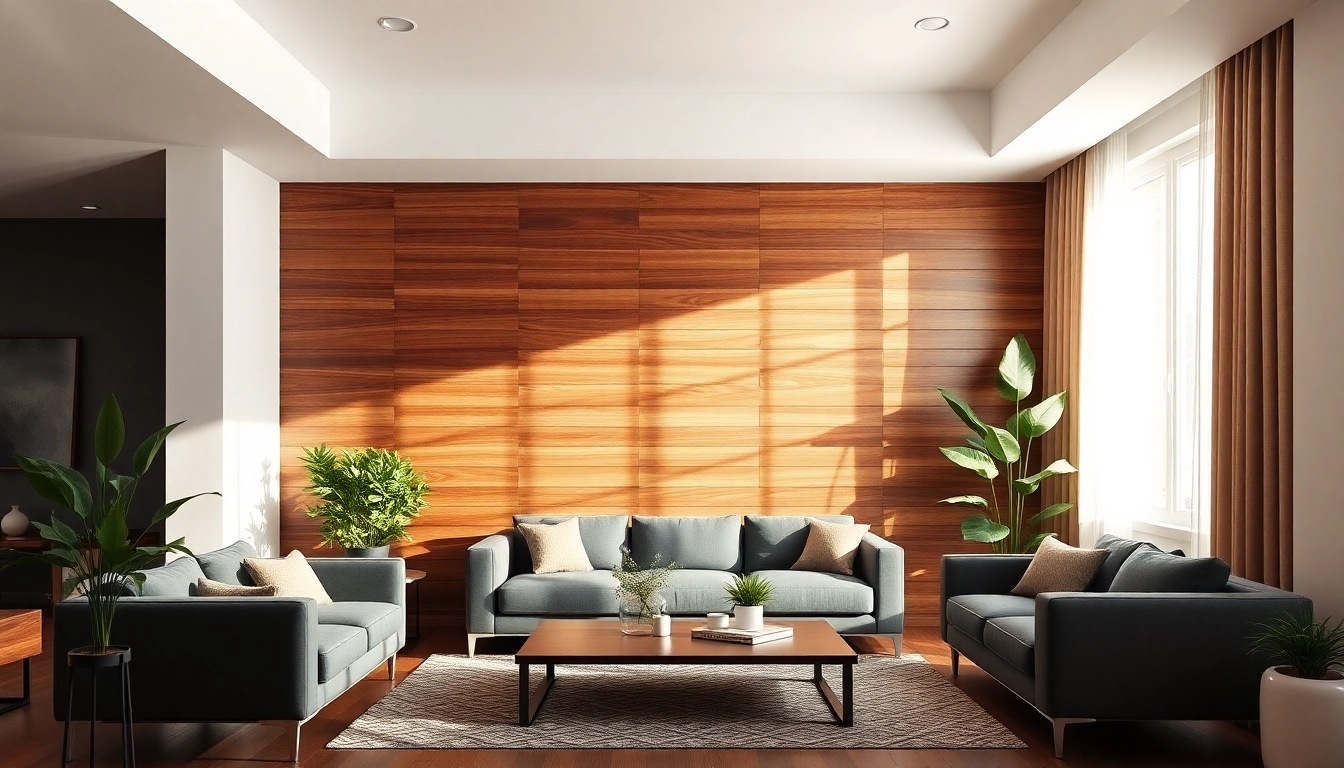
A wood slat wall panel is a decorative element made from strips of wood arranged in a linear fashion. This paneling can be used to cover entire walls or create focal points in any space, providing a unique aesthetic that emphasizes texture and warmth. Architects and designers increasingly favor this versatile building material due to its ability to combine functionality with artistry. The linear design of wood slat wall panels not only enhances visual appeal but also contributes to acoustics, making it a practical solution for various environments, such as homes, offices, and commercial spaces. By incorporating a wood slat wall panel, you can elevate the look of your space while enjoying its numerous benefits.
Materials Used in Wood Slat Wall Panel
The materials chosen for wood slat wall panels significantly impact their durability and aesthetic. Common materials include:
- Hardwoods: Teak, oak, cherry, and walnut offer rich colors and excellent resilience.
- Plywood: A cost-effective and lightweight option made from multiple layers of wood that can be personalized in various finishes.
- Engineered Wood: Made from reclaimed materials, engineered wood is eco-friendly and highly customizable.
- Softwoods: Pine and cedar provide a more rustic look and are generally easier to work with but may require more maintenance.
- Finishes and Coatings: Stains, paints, or sealers can enhance the natural grain of wood and protect it from moisture and wear.
Benefits of Using Wood Slat Wall Panel
Integrating wood slat wall panels into your space offers numerous advantages:
- Aesthetic Appeal: The natural beauty of wood adds warmth and character to any room.
- Acoustic Properties: The design can help reduce noise levels by absorbing sound, enhancing comfort in busy areas.
- Customization: Available in various wood types, colors, and finishes, allowing for personalized design solutions.
- Environmental Considerations: Sustainably sourced woods and engineered options support eco-friendly building practices.
- Ease of Installation: Wood slat panels can be relatively easy to install, even for DIY enthusiasts.
Design Options for Wood Slat Wall Panel
Contemporary Styles for Wood Slat Wall Panel
Wood slat wall panels work across various design aesthetics. For a contemporary look, consider these approaches:
- Minimalist: Use straight lines and neutral colors for a clean, uncluttered look.
- Scandinavian: Incorporate light-colored woods and natural finishes to emulate a cozy, inviting environment.
- Industrial: Pair dark wood slats with metal accents for a trendy, urban feel.
- Mid-century Modern: Choose bold colors and geometric patterns for a retro vibe.
Color and Finish Choices
The choice of color and finish can dramatically influence the overall look of a wood slat wall panel. Here are some ideas:
- Natural Finishes: Clear coatings that showcase the wood grain and enhance its beauty.
- Stains: Dark stains can create a luxurious feel, while lighter stains offer a fresh and airy effect.
- Paints: For more vibrancy, opt for bold colors that complement your interior design.
- Textured Finishes: Distressed or weathered finishes can lend a rustic charm to your space.
Combining Wood Slat Wall Panel with Other Materials
To enhance the visual dynamics of your space, consider pairing wood slat wall panels with other materials. Successful combinations can include:
- Concrete: The juxtaposition of warm wood with cool concrete creates a modern, industrial aesthetic.
- Metal: Using metal accents or fixtures alongside wood introduces a contemporary edge.
- Textiles: Soft furnishings, like cushions and throws, can soften the look of a wood slat wall and provide balance.
- Glass: These materials can provide transparency and light, making spaces appear larger while highlighting the wood's beauty.
Installation Guide for Wood Slat Wall Panel
Preparation and Tools Required
Before beginning installation, proper preparation and suitable tools are essential. Here’s what you need:
- Tools: Carpenter's level, measuring tape, saw (circular or miter), drill, screws, and a nail gun.
- Materials: Wood slat panels, adhesive (if necessary), protective coatings, and finishing nails.
- Preparation: Ensure the wall surface is clean, dry, and free from imperfections. Measure the area accurately and sketch a layout for the desired slat arrangement.
Step-by-Step Installation Process
Follow these steps to install wood slat wall panels:
- Mark the Layout: Use a chalk line to mark where the panels will go, ensuring everything is level.
- Cut the Panels: Measure each slat length according to your design and make necessary cuts.
- Attach the Slats: Start at the bottom and attach slats to the wall using adhesive and screws or a nail gun, ensuring equal spacing between each panel.
- Finish the Edges: Use trim or molding to conceal joints and create a polished look.
- Apply Finish: If desired, apply a protective finish to enhance the wood's longevity.
Common Installation Mistakes to Avoid
Here are common pitfalls when installing wood slat wall panels:
- Miscalculating Dimensions: Always double-check measurements before cutting to prevent wasted materials.
- Inconsistent Spacing: Utilizing spacers or measuring repeatedly will help achieve uniform gaps.
- Overlooking Wall Preparation: Proponents may not clear the wall of imperfections; prep is crucial for optimal adhesion.
- Ignoring Climate Concerns: Wood can expand and contract; consider humidity when choosing your installation method.
Maintenance Tips for Wood Slat Wall Panel
Cleaning Techniques for Wood Slat Wall Panel
Proper maintenance ensures your wood slat wall panels retain their beauty over time. Consider these cleaning techniques:
- Dusting: Regularly use a soft brush or microfiber cloth to remove dust buildup.
- Spot Cleaning: For stains, use a damp cloth with mild soap, avoiding harsh chemicals to prevent damage.
- Vacuuming: Occasionally vacuum near the wall to eliminate loose dirt and debris.
Long-term Care and Preservation
To prolong the life of your wood slat wall panels:
- Humidity Control: Maintain stable indoor humidity levels to minimize wood expansion and contraction.
- Regular Inspections: Examine for signs of wear, mold, or insect activity and address any issues promptly.
- Re-finishing: Depending on levels of exposure and wear, consider reapplying protective finishes every few years.
When to Replace or Repair Wood Slat Wall Panel
Monitor for signs that your wood slat wall panels may need attention:
- Visible Damage: Cracked slats or water stains need immediate repair or replacement.
- Mold Growth: If mold appears, assess moisture levels; replace affected panels if necessary.
- Aesthetic Decline: Faded colors or extensive scratches may warrant restoration for a fresh look.
FAQs about Wood Slat Wall Panel
How long does a wood slat wall panel last?
With proper care, a wood slat wall panel can last for many years, often decades, depending on the materials used and environmental conditions.
Can wood slat wall panel be used in bathrooms?
Yes, but ensure proper sealing and ventilation to prevent moisture damage. Using rot-resistant wood is advisable for such areas.
Is wood slat wall panel easy to install?
It can be DIY friendly but requires basic tools and skills. Following manufacturer guidelines will also help achieve the best results.
What styles work best with wood slat wall panel?
Wood slat wall panels complement various styles, including modern, Scandinavian, and rustic, enhancing aesthetic appeal across designs.
How do I maintain my wood slat wall panel?
Regular dusting and occasional polishing are essential. Avoid harsh chemicals; instead, use mild cleaners and ensure timely repairs as needed.