Understanding Exterior Decorative Cladding
What is Exterior Decorative Cladding?
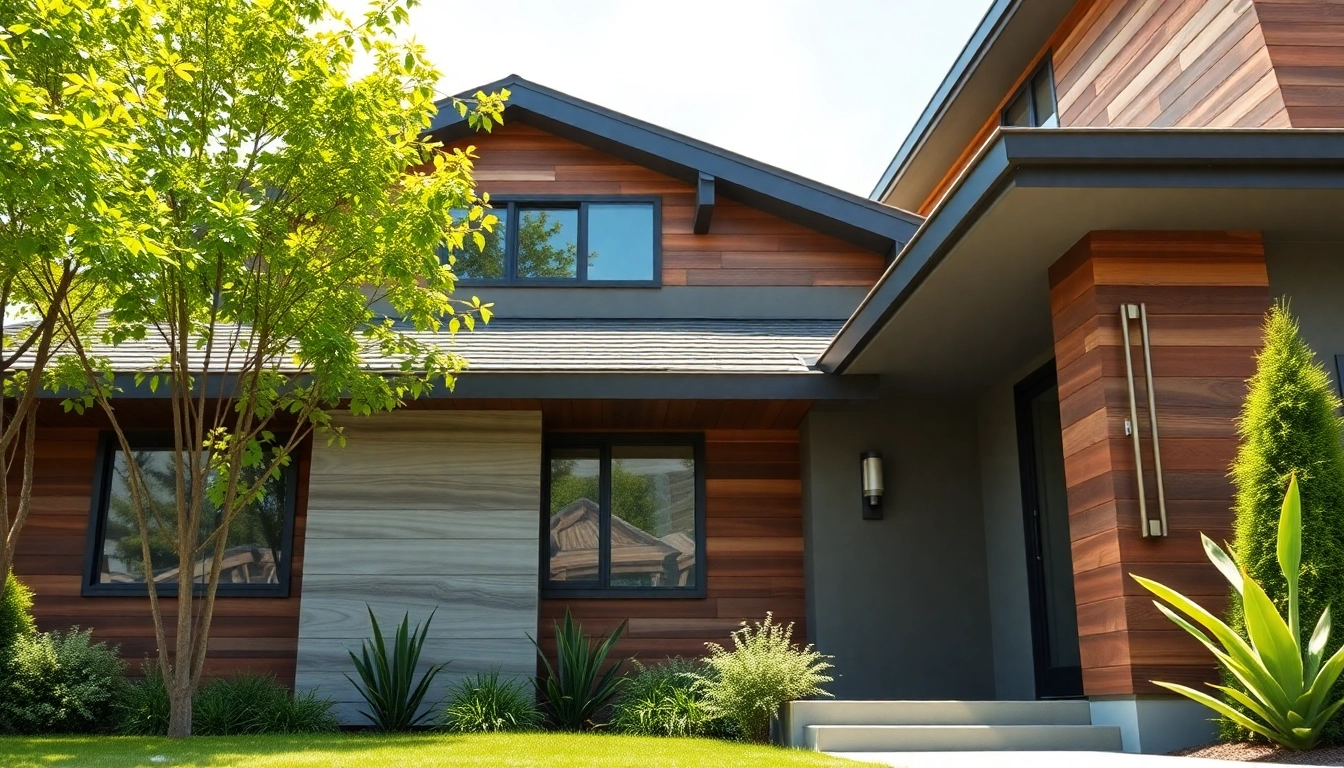
Exterior decorative cladding refers to the additional layer of material applied to the exterior walls of a building. This not only enhances aesthetic appeal but also serves functional purposes such as insulation, weather resistance, and protection from environmental elements. Many homeowners and designers use Exterior Decorative Cladding to provide a visual upgrade while improving structural integrity.
Types of Exterior Decorative Cladding
There are several materials and styles of exterior decorative cladding available on the market. The most common types include:
- Wood Cladding: Available in various styles such as shingles, boards, or panels, wood cladding offers a warm and natural aesthetic.
- Vinyl Cladding: A low-maintenance option that mimics wood's appearance but is more resistant to pests and weather.
- Fiber Cement Cladding: A durable and versatile option made from a mixture of sand, cement, and cellulose, ideal for extreme weather conditions.
- Metal Cladding: Often made from aluminum or steel, providing a sleek, modern look and excellent durability.
- Stone and Brick Cladding: Offers a timeless look, giving a solid, textured appearance and providing superior weather resistance.
Benefits of Using Exterior Decorative Cladding
Choosing to implement exterior decorative cladding offers numerous benefits, including:
- Enhanced Aesthetics: Cladding can dramatically change the look of a building, providing opportunities for unique designs.
- Improved Insulation: Many cladding materials offer additional insulation, helping to reduce heat loss in winter and keep interiors cool during summer.
- Protection from the Elements: Cladding protects structures from moisture damage, UV rays, and other environmental stressors.
- Low Maintenance: Many modern cladding materials are designed for durability and require minimal upkeep compared to traditional siding options.
- Increased Property Value: An attractive exterior can significantly enhance a property's resale value.
Design Considerations for Exterior Decorative Cladding
Color and Texture Choices
When selecting cladding materials, the color and texture play a pivotal role in the overall look of a building. Darker shades may help in absorbing heat, making them suitable for colder climates, while lighter colors reflect sun rays, keeping interiors cooler. Textured surfaces can add depth and interest, creating visual appeal and enhancing architectural features.
Balance and Proportion
Cladding must maintain balance and proportion relative to the building's overall architecture. This includes considering the scale of windows, doors, and other features. Oversized panels may dominate and overwhelm smaller structures, whereas paneling that is too small may get lost against a grand façade. Thoughtful design is crucial for achieving harmony.
Climate Considerations
The choice of exterior decorative cladding should also be influenced by climate conditions. For instance, regions prone to heavy rainfall or snow may benefit from water-resistant materials, while areas with high temperatures may require reflective surfaces to mitigate heat absorption. Ensuring that cladding is suited to local weather can enhance its performance and longevity.
Installation Process of Exterior Decorative Cladding
Preparation and Planning
Preparation is critical for a successful cladding installation. Begin by assessing the building's structural integrity and ensuring all surfaces are clean, dry, and free of major imperfections. Plan the layout, considering factors such as expansion joints, drainage, and ventilation. Measure carefully to ensure that all pieces fit together as intended.
Tools and Materials Needed
Having the right tools and materials is essential for an efficient installation process. Common tools include a measuring tape, level, saw (either manual or electric), drills, and safety gear. The specific materials will depend on the chosen cladding, but always ensure they are sourced from reputable suppliers to guarantee quality and compatibility with your project.
Step-by-step Installation Guide
- Prepare the Surface: Clean and repair the wall, removing any old siding or imperfections.
- Install a Moisture Barrier: This will protect against moisture seepage and enhance the longevity of the cladding.
- Cut Cladding Panels: Measure and cut the panels to fit your building design. Always wear safety gear while cutting materials.
- Attach Panels: Start at the bottom and work upwards, securing panels with screws or nails, depending on the material and manufacturer's recommendations.
- Finish Edges: Ensure that all edges are properly finished, and consider adding trim where necessary to complete the installation.
Maintenance Tips for Exterior Decorative Cladding
Cleaning and Care
Routine maintenance of exterior decorative cladding ensures longevity and visual appeal. Regular cleaning can prevent the buildup of dirt, algae, and mildew. Use a soft brush or cloth and a mild cleaning solution to wipe down surfaces. For tougher stains, pressure washing can be effective but should be approached with caution to avoid damage.
Common Issues and Solutions
Common challenges with exterior cladding include warping, fading, and pests. Warping can be mitigated through proper installation techniques, while fading can be minimized by ensuring that the materials have UV resistance. For pest infestations, regular inspections and prompt action can effectively manage and eliminate unwanted guests.
Longevity of Exterior Decorative Cladding
The lifespan of cladding depends on the material and environmental conditions. Wood cladding may require periodic treatments or sealants, while fiber cement and metal options often offer more extended lifespans with lower maintenance. Nevertheless, regular maintenance is crucial for all types to ensure their longevity and performance.
Frequently Asked Questions about Exterior Decorative Cladding
What is the cost of exterior decorative cladding?
The cost of exterior decorative cladding can vary widely based on material, size, and design complexity. On average, homeowners might spend between $2 to $15 per square foot.
How long does exterior decorative cladding last?
With adequate care, most exterior decorative cladding can last between 20 to 50 years. Factors like climate and maintenance will influence longevity.
Can exterior decorative cladding be painted?
Yes, many types of exterior cladding can be painted, though it’s vital to choose the right type of paint and follow manufacturer guidelines for the best results.
Is exterior decorative cladding waterproof?
Most exterior cladding materials are designed to resist water to some degree. However, it's crucial to ensure proper installation to enhance waterproofing benefits.
What types of homes benefit from exterior decorative cladding?
Exterior decorative cladding can benefit a wide range of homes, particularly those in harsh climates, older homes needing modernization, or new constructions emphasizing aesthetics.