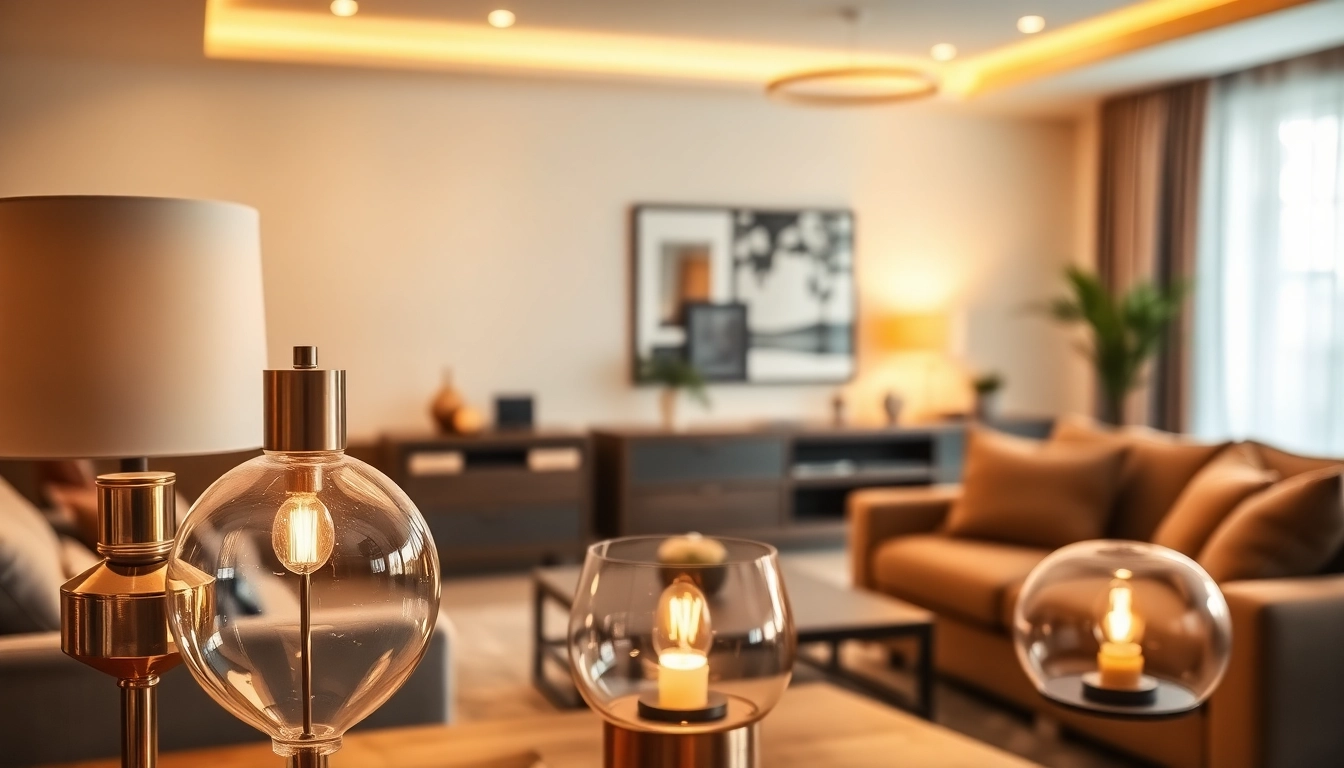
Understanding Lighting Solutions
Lighting is a crucial element in both residential and commercial spaces, influencing everything from mood and ambiance to functionality and safety. Selecting the right lighting solutions can enhance your environment, improve productivity, and create spaces that are both welcoming and efficient. This article explores various aspects of lighting, from types and selection to installation and maintenance, helping you make informed decisions for your spaces.
The Importance of Variation in Lighting
Variation in lighting is vital for several reasons. First, it enhances the visual interest of a space, contributing to a layered design that draws the eye. Different types of lighting—such as ambient, task, and accent—serve distinct purposes and can transform a room's atmosphere. By using varied lighting, you can tailor each area to its specific function, ensuring comfort and utility.
Moreover, variation in lighting can affect mood and well-being. Research has shown that adequate and appropriate lighting can enhance productivity and reduce eye strain. Additionally, incorporating different light sources allows for flexibility in adjusting the ambiance according to time of day, activity, or personal preference.
Types of Lighting Solutions
Understanding the types of lighting available is essential in creating an effective lighting scheme. Here are the primary classifications:
- Ambient Lighting: This is the primary source of illumination in a space. It provides a uniform level of light, often achieved through ceiling fixtures, chandeliers, or recessed lighting.
- Task Lighting: Designed to illuminate specific areas for activities like reading, cooking, or studying. Desk lamps, under-cabinet lights, and directional spotlights fall under this category.
- Accent Lighting: This type highlights specific features in a room, such as artwork, architectural details, or plants. It creates focal points and adds depth to the overall lighting plan.
- Decorative Lighting: Often visually appealing, decorative lighting serves more as a design element than for illumination. Examples include ornate chandeliers, pendant lights, and unique floor lamps.
- Natural Lighting: Utilizing daylight through windows, skylights, or glass doors. Strategic use of natural light can significantly enhance the feel of a space.
Key Elements of Effective Lighting
To create an effective lighting plan, several key elements must be taken into account:
- Flexibility: The ability to adjust lighting levels and sources can enhance functionality, allowing for different uses of the same space.
- Color Temperature: Measured in Kelvin (K), color temperature affects the ambiance of a room. Warmer tones are often more inviting, while cooler tones can enhance focus and clarity.
- Energy Efficiency: Opting for energy-efficient lighting solutions can reduce electricity costs and environmental impact, making LED bulbs a popular choice.
- Placement: The location of light fixtures significantly influences how effectively they illuminate spaces. Consider tasks, furniture arrangement, and overall room layout when positioning lights.
Choosing the Right Lighting Solutions
Selecting the right lighting solutions involves a thoughtful assessment of your space and understanding your lighting needs. This section delves into essential considerations when making your choice.
Assessing Your Space
Before deciding on specific lighting solutions, it's crucial to assess your space comprehensively. Evaluate factors such as room size, layout, availability of natural light, and existing color schemes. Consider how different areas will be used and the ambiance you wish to create.
Creating a lighting plan involves identifying focal points in your space, such as artwork or furniture, which can benefit from accent lighting. Additionally, understanding the purpose of each room will help you determine the balance required between ambient, task, and accent lighting.
Styles and Aesthetics
Lighting should complement the overall style of your space, contributing to its aesthetic cohesion. Different styles cater to various interiors:
- Modern: Minimalist fixtures with clean lines, often embracing industrial materials.
- Traditional: Classic designs with ornate details, suitable for more formal environments.
- Eclectic: A mix of styles that allow for personality and creative expression, often combining various fixtures and colors.
- Rustic: Textured materials such as wood and metal integrating well with a natural aesthetic.
When selecting lighting solutions, consider how they resonate with the established style of your home or business, ensuring a harmonious appearance.
Functionality Considerations
Beyond aesthetics, functionality is paramount in your lighting selections. Analyze the specific activities that will take place in each space:
- Busy Kitchen: Requires bright task lighting for food prep and cooking, complemented by ambient lighting for dining.
- Home Office: Needs focused task lighting to reduce eye strain, with adjustable options for various tasks.
- Living Room: Should offer a mix of ambient and accent lighting, creating a cozy atmosphere while allowing for functionality during different activities.
Effective lighting empowers users to perform their tasks with ease and comfort while enhancing the overall experience in each area.
Installing Lighting Solutions
Once you've selected the lighting solutions that best fit your needs, proper installation is crucial for achieving desired effects. This section outlines essential tips for a successful lighting installation.
Preparation and Planning
Preparation is vital when planning your lighting installation. Begin by creating a detailed layout of your space, marking the locations of all planned fixtures. This will help you visualize the lighting effects and ensure even distribution throughout the room.
In your planning, consider the electrical requirements and wiring needs for each fixture. Be sure to choose fixtures that are compatible with existing electrical setups to avoid complications during installation.
DIY vs. Professional Help
Deciding between DIY and hiring a professional for installation depends on your comfort level and the complexity of the project. For basic installations, such as replacing light fixtures or adding lamps, a DIY approach may suffice.
However, for more complex installations requiring electrical work, such as installing recessed lighting or upgrading circuits, hiring a licensed electrician is advisable to ensure safety and compliance with local codes.
Common Installation Tips
To maximize the effectiveness of your lighting installations, heed the following tips:
- Test Shadowing: Before finalizing fixture placements, temporarily use existing lights to test how shadows are cast in the space.
- Determine Heights: When installing pendant lights or chandeliers, consider the height of individuals using the space to avoid obstruction.
- Use Dimmers: Install dimmer switches wherever possible to provide flexibility in adjusting light intensity based on mood and occasion.
These tips can help ensure that your lighting serves both functional and aesthetic purposes effectively.
Maintenance of Lighting Solutions
To keep your lighting solutions functioning optimally and looking their best, ongoing maintenance is essential. The following sections provide insights into various maintenance aspects.
Cleaning Techniques for Fixtures
Keeping your lighting fixtures clean enhances their performance and extends their lifespan. Cleaning involves:
- Dusting Regularly: Use a microfiber cloth or duster to remove dust and debris that accumulates on fixtures.
- Deep Cleaning: Periodically, unplug lights and clean them with a gentle cleaner, rinsing thoroughly to avoid residue buildup.
- Check for Damage: While cleaning, inspect for any signs of wear or damage that may necessitate repairs or replacements.
Replacing Bulbs and Upgrades
Replacing bulbs is a straightforward maintenance task, yet essential for ensuring optimal lighting levels. Be aware of different bulb types—LEDs, incandescents, and fluorescents—each requiring specific handling and disposal methods. Additionally, consider upgrading older fixtures to energy-efficient models that provide better performance and lower operating costs.
Safety Tips for Maintenance
Safety should always be the priority when performing maintenance. Follow these guidelines:
- Turn Off Power: Always switch off power at the circuit breaker before performing any work on electrical fixtures.
- Use Appropriate Tools: Ensure you have the right tools for cleaning and replacing fixtures, including ladders for reaching high areas.
- Consult Professionals When Uncertain: If in doubt about safety or repairs, reach out to a qualified electrician for guidance.
FAQs About Lighting Solutions
What are the best types of lighting for small rooms?
For small rooms, use a combination of ambient lighting and task lighting. Recessed lights and wall sconces can provide brightness without consuming floor space. Mirrors can help amplify light and create a sense of depth.
How can I improve the ambiance in my home?
To enhance ambiance, layer different types of lighting throughout your space. Use dimmers to adjust intensity, and add table or floor lamps with warm bulbs to create a cozy atmosphere.
What are energy-efficient lighting options?
LED and CFL bulbs are prominent energy-efficient options, consuming less energy while providing a longer lifespan. These choices can significantly lower electricity bills and reduce your carbon footprint.
How often should I change my light bulbs?
Light bulbs should ideally be changed when they begin to dim or flicker. For optimal performance, replace incandescent bulbs approximately every 1,000 hours and LED bulbs every 15,000-25,000 hours.
Where should I position lighting fixtures?
Position fixtures according to the purpose of each area. Task lighting should focus on work areas, while ambient light should be evenly distributed. Avoid blocking light with furniture and consider layering for best results.