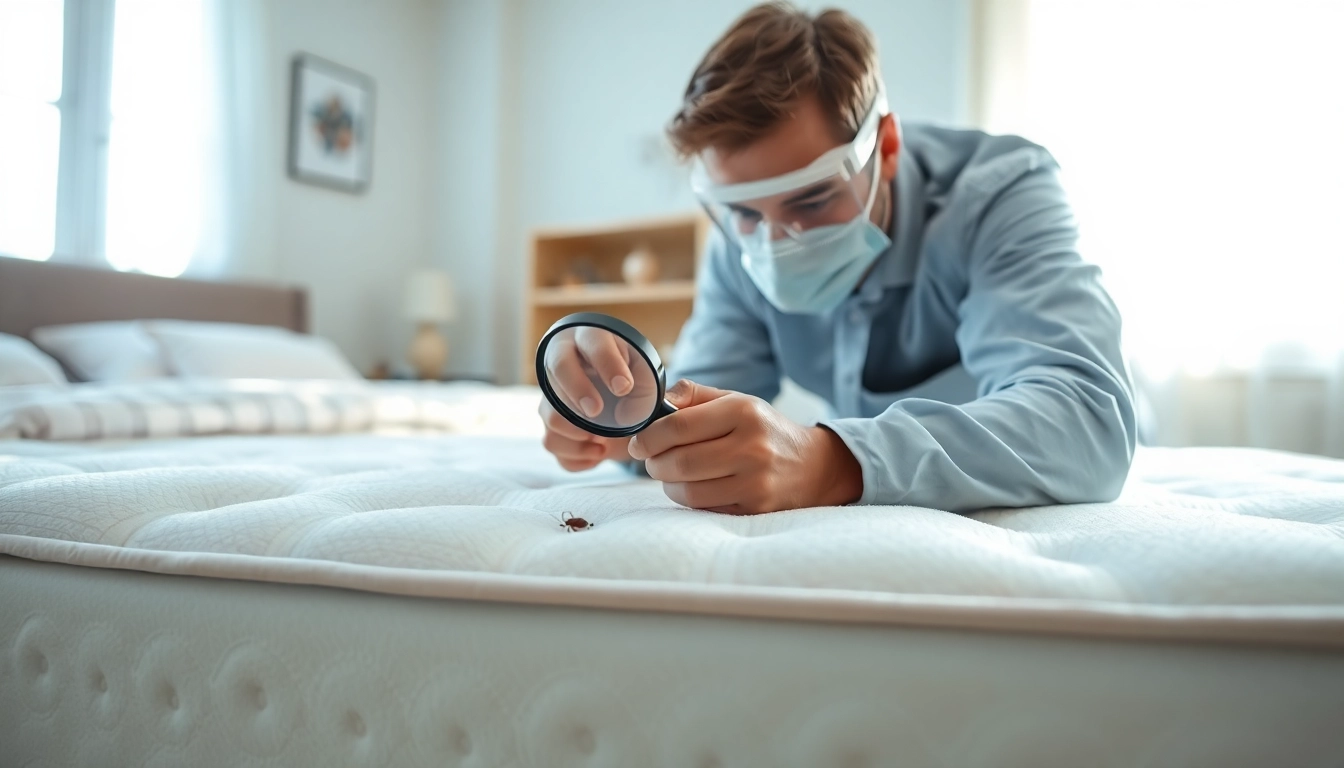
Understanding Bedbug Behavior and Biology
Bedbugs are a persistent nuisance that can wreak havoc on your peace of mind and sleep quality. To effectively control and prevent infestations, it is essential to understand their behavior, biology, and the signs that indicate their presence. In this section, we will delve deep into the life cycle of bedbugs, their common signs, and their impact on health and well-being.
Life Cycle of Bedbugs
The life cycle of bedbugs consists of several stages: egg, nymph, and adult. Bedbugs lay eggs in warm, secluded areas, often in the seams of mattresses or in cracks and crevices of furniture. A female bedbug can lay between 200 to 500 eggs in her lifetime, making them prolific breeders.
- Eggs: These are tiny, about the size of a pinhead, and are usually laid in clusters. They hatch within 6 to 10 days under favorable conditions.
- Nymphs: After hatching, the bedbugs go through five nymphal stages before reaching maturity. Each stage requires a blood meal to progress to the next, typically taking about 5 weeks to reach adulthood.
- Adults: Mature bedbugs are approximately 5-7 mm in size, reddish-brown in color, and are capable of surviving several months without food, making eradication quite challenging.
Common Signs of Infestation
Recognizing the signs of a bedbug infestation is crucial for early detection and effective control. Here are some common indicators:
- Blood Spots: Small red or brown stains on sheets or mattresses may be a sign of bedbug bites.
- Fecal Matter: Tiny black or brown spots found on bedding or furniture are fecal dust left behind by bedbugs.
- Eggs and Shells: Finding molted skins or eggs in hidden corners or crevices is a clear sign of an active infestation.
- Musty Odor: A sweet, musty smell may indicate a significant presence of bedbugs.
Impact of Bedbugs on Health and Wellbeing
The presence of bedbugs can lead to various health issues, both physical and emotional. Their bites can cause itching, allergic reactions, and insomnia, disrupting sleep patterns and overall quality of life. Many people experience anxiety or stress at the thought of an infestation, which can further impact mental wellbeing. For those with pre-existing conditions, the stress from bedbug infestations may exacerbate health issues, making it essential to prioritize prevention and treatment.
Effective Prevention Methods for Bedbug Infestations
Preventing bedbug infestations is far more manageable than controlling an established problem. Below are several effective strategies to mitigate the risk of bedbugs infiltrating your personal space.
Regular Cleaning and Maintenance Tips
Maintaining a clean environment is one of the most effective forms of prevention against bedbugs. Here are some detailed tips for effective cleaning:
- Frequent Washing: Wash bedding, linens, and clothing regularly in hot water, followed by high-heat drying. This can kill any potential bedbugs or eggs.
- Vacuuming: Regularly vacuum carpets, upholstery, mattresses, and baseboards to remove any bedbugs or eggs lurking in your home. Don't forget to discard the vacuum bag immediately after use.
- Seal Cracks and Crevices: Inspect your home for cracks in walls, floors, and furniture, sealing them where necessary, to reduce potential hiding spots for bedbugs.
Utilizing Protective Bed Covers
Investing in protective bed covers can significantly reduce the likelihood of bedbugs taking up residence in your mattress and box springs. Look for covers specifically designed to be bedbug-proof, as these will prevent bedbugs from entering or exiting. Here are the key features to consider:
- Durable Materials: Choose covers made of strong, tightly woven fabrics that bedbugs cannot penetrate.
- Seamless Zippers: Ensure covers have securely sealed zippers to keep bedbugs confined.
- Encasement: Keep your mattress and box spring encased for at least a year, as this allows any trapped bedbugs to starve.
Identifying High-Risk Areas in Your Home
Certain areas of your home are more prone to bedbug infestations, and knowing where they are can help you focus your prevention efforts. Common high-risk areas include:
- Bedrooms: Mattresses, headboards, and nightstands are prime locations for bedbugs.
- Common Areas: Sofas, chairs, and common furniture in living rooms and dens should frequently be inspected.
- Travel Gear: Luggage, backpacks, and any secondhand items can be carriers for bedbugs.
DIY Bedbug Treatment Techniques
If you've noticed signs of a bedbug infestation, there are several DIY treatment techniques you can implement before resorting to professional help.
Inspections and Identification
The first step in any DIY treatment plan is a thorough inspection of your home. Look for signs outlined previously, focusing on potential hiding spots. Take your time examining:
- Mattresses: Carefully inspect all surfaces, seams, and tags on your mattress.
- Furniture: Check upholstery, seams, and cracks on furniture throughout your home.
- Flooring: Inspect baseboards, edges of carpets, and under furniture for signs of bedbugs.
Natural Remedies for Bedbug Control
While natural remedies may not completely eliminate an infestation, they can be used to reduce bedbug populations in conjunction with other methods. Here are some common options:
- Essential Oils: Oils such as tea tree, lavender, and peppermint can repel bedbugs. Consider using a spray with a dilution of these oils mixed with water.
- DIATOMACEOUS EARTH: This naturally occurring soft rock can be powdered and sprinkled in areas where you see signs of bedbugs. It kills bedbugs by dehydrating them.
- Rubbing Alcohol: Spraying a mixture of alcohol and water can kill bedbugs on contact, but it's essential to be cautious due to flammability.
Utilizing Heat and Cold Treatments
Bedbugs are highly sensitive to temperature extremes. Implementing heat and cold treatments can be an effective way to manage and eliminate them:
- Heat Treatment: Washing items in hot water and drying them in a hot dryer for at least 30 minutes can kill all life stages of bedbugs.
- Freezing: Placing smaller items in a freezer set to 0°F for at least four days can effectively kill bedbugs. Ensure items are sealed in plastic bags to prevent re-infestation.
Professional Bedbug Extermination Services Overview
In cases of severe infestations, DIY treatments may not suffice. Professional extermination services offer expertise and effective methods for bedbug removal.
What to Expect from Pest Control Professionals
When hiring pest control professionals, here’s what you can typically expect:
- Comprehensive Inspection: Experts will conduct a detailed inspection to assess the extent of the infestation.
- Personalized Treatment Plans: Based on their findings, professionals will develop a customized bedbug management plan, utilizing a combination of methods for maximum effectiveness.
- Post-Treatment Follow-Up: Many pest control companies offer follow-up inspections and treatments to ensure that the infestation is fully eradicated.
Benefits of Hiring Experts for Bedbug Problems
There are numerous advantages to hiring pest control experts rather than opting for DIY treatments:
- Expert Knowledge: Professionals possess extensive knowledge of bedbug behavior, biology, and effective control methods.
- Access to Specialized Tools: Pest control companies have access to high-grade pesticides and technologies not available to the public.
- Efficiency: Professionals can typically manage infestations more quickly and effectively, reducing overall time and stress.
Choosing the Right Pest Control Service
When selecting a pest control service for bedbug problems, consider the following factors:
- License and Certification: Ensure that the company is licensed and certified to operate in your area.
- Experience: Look for companies with a proven track record of successful bedbug extermination.
- Reviews and Recommendations: Seek out third-party reviews and personal recommendations to gauge the company’s reputation.
Post-Treatment Tips for Long-Term Bedbug Prevention
Once you've managed an infestation, taking proactive steps is crucial to avoid future problems. Here are some practical tips:
Monitoring and Re-inspections
After treatment, consistently monitor your home for any signs of bedbugs. Regularly perform inspections, especially in high-risk areas, to catch potential reinfestations early.
Maintaining a Bedbug-Free Environment
To ensure your home remains bedbug-free, practice the following habits:
- Regular Cleaning: Continue with routine cleaning, as maintained cleanliness deters bedbugs.
- Limit Clutter: Keeping your environment clutter-free reduces hiding spots for bedbugs and makes cleaning easier.
- Travel Smart: When traveling, inspect hotel rooms carefully, keep luggage elevated, and wash items upon return.
Community Resources and Support
Leverage community resources and support systems available in your area for additional assistance with bedbug prevention and management. Local health departments often provide educational materials, and community workshops may help raise awareness.
For further information and professional assistance, refer to https://affordablebedbugexterminators.com, where you can find comprehensive resources dedicated to tackling bedbug infestations effectively.