Understanding Structural Steel Installation
What is Structural Steel Installation?
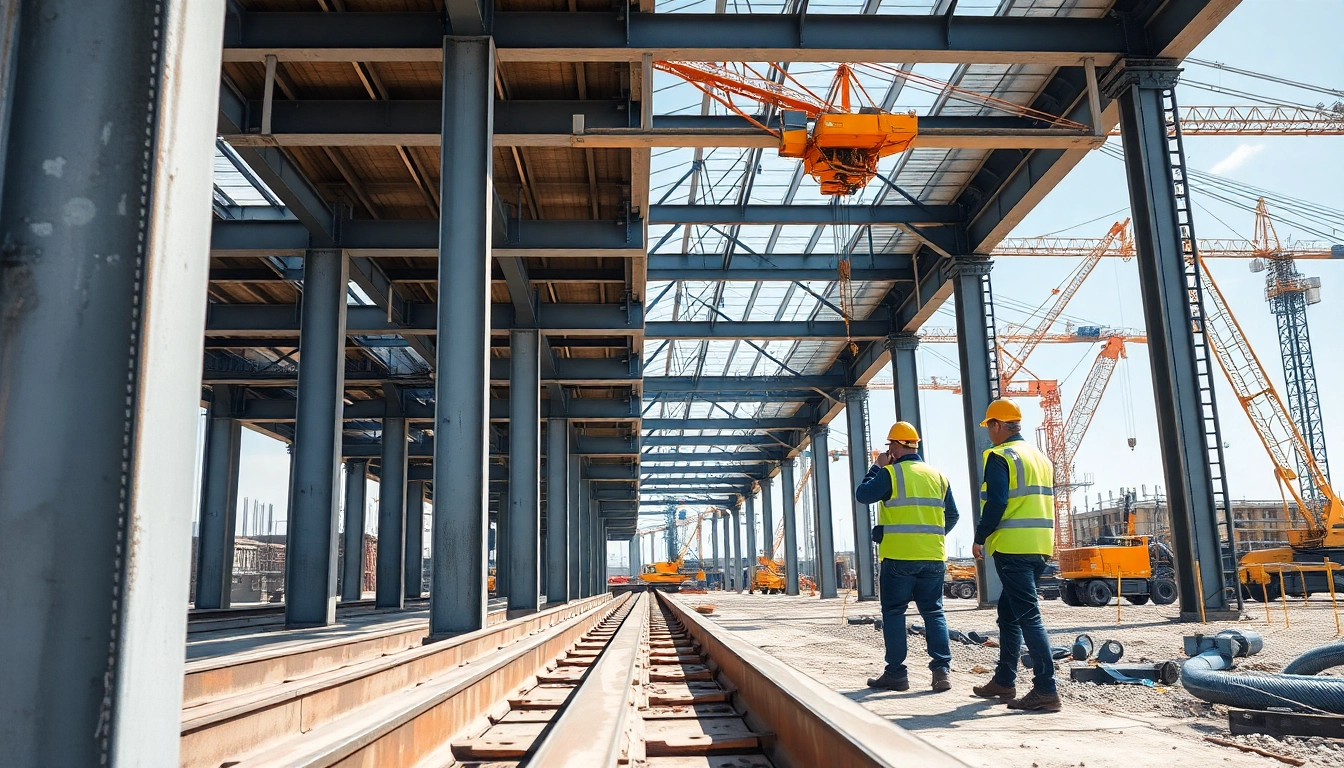
Structural steel installation refers to the process of assembling steel components and structures, crucial for modern construction. It involves various stages, including planning, cutting, welding, and erecting steel structures that provide support and stability to buildings. This method stands out for its strength, durability, and adaptability, making it a preferred choice for constructors globally. The precision involved in structural steel installation ensures that buildings can withstand various forces such as gravity, wind, and seismic activities. To learn more about structural steel installation, one must consider the technicalities and methodologies behind this intricate process.
Importance of Structural Steel in Construction
Structural steel plays a pivotal role in contemporary construction projects. Its high strength-to-weight ratio allows for lighter structures that do not compromise stability or safety. In essence, structural steel forms the backbone of skyscrapers, bridges, industrial facilities, and residential buildings. Additionally, it facilitates faster construction times as steel components can be prefabricated, reducing on-site assembly time. The versatility of structural steel also allows for expansive design possibilities, enabling architects to create innovative and complex structures. Furthermore, steel structures are recyclable, contributing to sustainability in construction.
Common Types of Structural Steel
Understanding the various types of structural steel used in installation is essential for effective project planning. The most common forms include:
- Wide Flange Beams (W-Beams): Used for vertical and horizontal support.
- Channel Steel: Often used in bracing and support structures.
- Angle Steel: Utilized in reinforcing and connecting components.
- Hollow Structural Sections (HSS): These tubes provide strength while being lightweight, ideal for architectural aesthetics.
- Plate Steel: Used for various components, offering excellent strength and stability.
Planning for Structural Steel Installation
Key Components of Project Planning
A successful structural steel installation project begins with comprehensive planning. This includes defining project objectives, timelines, and budget constraints. Developing detailed drawings and specifications is essential to ensure all stakeholders are aligned. Collaborating with architects, engineers, and contractors from the outset can help in addressing any challenges early on. Moreover, adhering to local building codes and regulations is critical for compliance and safety.
Risk Assessment in Structural Steel Installation
Risk assessment is a fundamental part of project planning, focusing on identifying potential hazards associated with structural steel installation. Common risks include structural failures, safety incidents, and delays due to unforeseen circumstances. Implementing a robust risk management strategy involves regular safety audits, thorough training for workers, and establishing emergency protocols. Assessing risks proactively can mitigate adverse effects and maintain project momentum.
Choosing the Right Equipment and Tools
Selecting appropriate equipment and tools is essential for efficient structural steel installation. Key machinery includes cranes for lifting heavy steel components, welders for joining materials, and cutting tools for precision work. Investing in high-quality equipment can enhance productivity and minimize the chances of equipment failure. Furthermore, using the right tools ensures that safety protocols are upheld, reducing the risk of accidents on-site.
Execution of Structural Steel Installation
Step-by-Step Installation Process
The execution of structural steel installation can be broken down into several key stages:
- Preparation: This involves site clearing, setting up scaffolding, and laying foundations where necessary.
- Delivery of Steel Components: Ensure all prefabricated materials are on-site and ready for assembly.
- Assembly: Start with the steel frame, connecting beams and columns as per the design specifications.
- Welding and Bolting: Secure components through welding or bolting, ensuring structural integrity.
- Inspection: Conduct quality control checks at each stage to ensure compliance with standards.
- Finishing Touches: Complete additional work, including insulation and covering, as relevant.
Quality Control Measures
Quality control is paramount in structural steel installations to ensure that projects meet industry standards and client expectations. Implementing measures such as regular inspections and testing during installation can help identify issues early. Materials should be sourced from reputable suppliers, and workmanship should always adhere to established guidelines. Employing third-party inspections can provide additional assurance of quality and safety.
Safety Protocols During Installation
Prioritizing safety during the installation process minimizes risk and protects the workforce. Key safety protocols include:
- Providing Personal Protective Equipment (PPE) to all workers.
- Regular safety briefings to update staff on best practices.
- Establishing a safety officer to monitor compliance with safety standards.
- Implementing fall protection measures when working at heights.
- Conducting emergency evacuation drills as part of site training.
Best Practices for Structural Steel Installation
Improving Efficiency in the Installation
Enhancing efficiency in structural steel installation can lead to significant time and cost savings. Best practices include detailed project scheduling that allows for overlaps in tasks where feasible, prefabricating components off-site to reduce on-site labor, and ensuring effective communication among all team members. Regular progress reviews can help identify bottlenecks and adapt plans swiftly to maintain momentum.
Utilizing Technology in Structural Steel Installation
Embracing technology revolutionizes the structural steel installation process. Software for Building Information Modeling (BIM) enables better visualization and coordination among various project phases. Drones can be employed for site surveys and progress monitoring, while IoT sensors help in tracking equipment performance and worker safety. These innovations not only improve the accuracy of installations but also enhance overall project management capabilities.
Common Mistakes to Avoid
Several pitfalls can derail structural steel installation projects, including inadequate planning, neglecting compliance with safety standards, and ignoring the importance of skilled labor. Not conducting thorough inspections can lead to costly reworks and delays. Moreover, failing to communicate effectively can result in misunderstandings that compromise quality. Ensuring that each aspect of the installation is well-managed can lead to successful project outcomes.
Evaluating the Success of a Structural Steel Installation
Performance Metrics to Consider
Evaluating the success of structural steel installations involves several performance metrics such as adherence to project timelines, budget compliance, and quality of workmanship. Tracking these metrics ensures that future projects can be optimized based on historical data. Other relevant indicators include safety incident rates during installation and post-project evaluations from clients on structural integrity and aesthetics.
Gathering Feedback Post-Installation
Post-installation feedback is invaluable for continuous improvement. Engaging stakeholders—such as clients, contractors, and workers—helps gather insights into the installation process and the final product. Surveys and interviews can uncover aspects that worked well and challenges faced during the project. This feedback loop fosters an environment of learning and enhances the blueprint for future projects.
Preparing for Future Installations
Preparing for future structural steel installations necessitates an analysis of past projects to identify lessons learned. Creating a knowledge base of issues and solutions can improve methods and efficiency in subsequent installations. Regular training sessions for staff on new techniques, safety protocols, and technology usage can prepare teams for upcoming challenges and improve overall project execution.
FAQs About Structural Steel Installation
1. What are the benefits of using structural steel?
Structural steel offers high strength, lightweight properties, and design flexibility, making it ideal for diverse construction projects. It also supports faster construction timelines and is recyclable, promoting sustainability.
2. How long does the structural steel installation process take?
The duration of structural steel installation depends on various factors, including project size and complexity. Generally, it can range from a few weeks to several months, based on the planning and execution phases.
3. What safety measures are crucial during installation?
Key safety measures include providing PPE, conducting regular safety briefings, establishing fall protection systems, and having a designated safety officer to oversee compliance with safety practices.
4. How can technology improve structural steel installation?
Technology enhances installations through improved project visualization using BIM, on-site progress tracking with drones, and equipment monitoring via IoT sensors, leading to better efficiency and accuracy.
5. Why is quality control important in structural steel projects?
Quality control is essential to ensure compliance with safety and building standards, preventing structural failures and costly rework. Regular inspections help maintain high standards throughout the installation process.