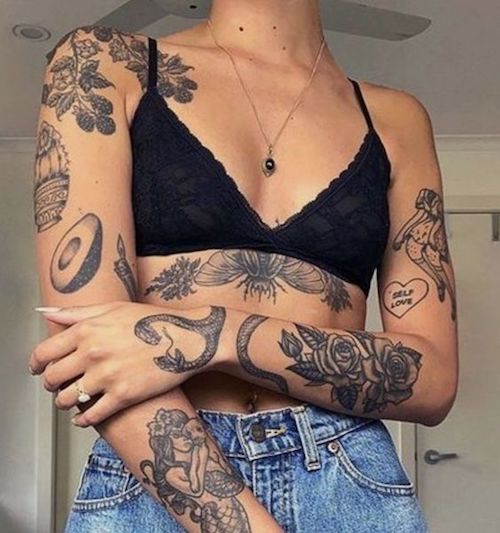
Understanding Tattoo Styles
Tattoos have transcended their origins to become a global phenomenon, reflecting personal stories, cultural identities, and artistic expressions. At Tattoostyles24.com, we delve into the vast array of tattoo styles available, each with its own unique significance and history. This article explores the different types of tattoos, the enduring debate of traditional versus modern styles, and the cultural importance that tattoos hold across various societies.
Types of Tattoos: A Comprehensive Overview
Tattoo styles can be broadly categorized into several types, each of which represents a distinctive approach to body art:
- Traditional Tattoos: Known for their bold lines and vibrant colors, traditional tattoos often feature nautical imagery, skulls, and roses, popularized by sailors in the 19th century.
- Tribal Tattoos: Important within various cultures, tribal tattoos utilize black ink and patterns inspired by ancestral art, often signifying status or heritage.
- Realistic Tattoos: These tattoos aim to replicate real-life images or portraits with stunning precision, often requiring advanced techniques and skilled artists.
- Abstract Tattoos: Utilizing colors and shapes in a non-representational form, abstract tattoos offer individuals a chance to express their emotions and thoughts creatively.
- Watercolor Tattoos: Resembling watercolor paintings, this style employs soft colors and brushstroke techniques, creating a dreamy, artistic effect.
- Geometric Tattoos: Featuring shapes and patterns, geometric tattoos focus on symmetry and precision, often symbolizing balance and harmony.
- Minimalist Tattoos: Characterized by simplicity, minimalist tattoos use minimal lines and elements, often carrying deep meanings despite their small size.
Traditional vs. Modern Tattoos
The distinction between traditional and modern tattoos can often be seen in the techniques, styles, and cultural implications. Traditional tattoos boast deep-rooted histories and cultural significance, founded on techniques developed centuries ago. For instance, Japanese tattooing or irezumi holds stories of bravery and suffering, while Western traditional styles signify rebellion and individuality.
In contrast, modern tattoos often push the boundaries of traditional norms by incorporating contemporary artistic techniques, styles, and technologies. This includes intricate detail work, new inks, and a wider array of themes reflecting modern life. Modern tattoo artists blend inspiration from various sources, creating a diverse array of styles that resonate with today's generation.
The Cultural Significance of Tattoos
Tattoos carry different meanings across cultures. For many Indigenous tribes, tattoos symbolize rites of passage or a connection to the spiritual world. In other cultures, tattoos serve as expressions of allegiance, identity, or resistance. Understanding the cultural significance behind tattoos can enrich one's appreciation of body art and respect for its origins.
Popular Tattoo Styles at Tattoostyles24.com
Minimalist Tattoos: Simple Yet Impactful
Minimalist tattoos have surged in popularity due to their clean aesthetic and profound meanings. Often comprising simple lines, shapes, or small symbols, these tattoos resonate with individuals seeking subtlety in their body art. For many, minimalist designs embody personal philosophies or sentiments, making them highly personal and meaningful.
Geometric Tattoos: Shapes and Symmetry
Geometric tattoos have captivated enthusiasts with their intricate designs and perfect symmetry. Often employing a combination of lines, dots, and shapes, these tattoos can symbolize balance, structure, and harmony. With the ability to create endless patterns that reflect personal beliefs or experiences, geometric tattoos have found their place in contemporary tattoo culture.
Watercolor Tattoos: Art Meets Ink
Watercolor tattoos blend artistry with tattooing in a striking manner. Mimicking the soft and vibrant effects of watercolor paint, this style offers a unique visual appeal, allowing for freeform designs. This approach allows artists to employ a variety of colors, creating tattoos that exude creativity and expressiveness, often representing individuality and emotion.
Choosing the Right Tattoo for You
Identifying Personal Meaning in Tattoos
Choosing a tattoo is a deeply personal journey. To select the right tattoo, one should reflect on the meanings they want to convey. Consider symbols that resonate with your life experiences, values, or aspirations. Whether it's a tribute to a loved one or a representation of personal growth, understanding the significance behind the tattoo can enhance its value.
Consultation with Tattoo Artists
A consultation with your tattoo artist is crucial in determining the best design and placement for your tattoo. Skilled artists can offer insights into design feasibility, color choices, and placement, ensuring that the final result aligns with your vision. Their expertise can guide you through the process, assuring that the tattoo not only looks great but also holds meaning.
Inspiration Sources from Tattoostyles24.com
At Tattoostyles24.com, we curate a breadth of tattoo ideas and inspirations showcasing various styles and themes. Browsing through our collection can spark creativity and help you envision what your next tattoo might represent. We encourage visitors to explore professionally curated designs tailored for various tastes, ensuring everyone finds inspiration that resonates with them.
Caring for Your Tattoo
Aftercare Essentials for New Tattoos
Proper aftercare is vital to ensure that your new tattoo heals correctly and retains its vibrancy. Initially, keep the tattoo covered and clean. After a few hours, gently wash the area with mild soap and warm water, then apply an approved ointment. Avoid soaking in water, sun exposure, and tight clothing on the tattooed area during the healing process.
Long-term Care to Prevent Fading
Long-term care of tattoos requires consistent protection against the sun and environment. Regularly apply sunscreen on the tattooed area and moisturize to retain its color and sharpness. Avoid abrasive scrubbing while cleaning, and consider touch-ups as the tattoo ages to maintain its original beauty.
Common Mistakes to Avoid Post-Tattoo
Some common mistakes post-tattoo include excessive sun exposure, neglecting to moisturize, and scratching the area. It’s essential to avoid swimming in pools or the ocean until the tattoo has healed completely. Educating oneself on proper tattoo care significantly enhances healing and longevity.
Tattoo Trends and Future Directions
The Rise of Custom Design Tattoos
With advancements in technology, customizing tattoos has become increasingly popular. More individuals are seeking unique designs that reflect their personality profoundly. Custom tattoos offer a way to create artwork that’s one-of-a-kind, empowering individuals to take ownership of their body art choices.
Environmental Factors Influencing Tattoo Choices
Today's tattoo trends are increasingly influenced by environmental factors, including social movements and a push for sustainable practices. Many artists are now using eco-friendly inks and practices, which appeal to environmentally conscious clients. Awareness of the footprint of tattoo practices can guide individuals in making informed decisions about their body art.
The Evolving Tattoo Community and Its Impact
The tattoo community is rapidly evolving, with a growing acceptance of body art within mainstream culture. This evolution encourages diversity and inclusivity, allowing for broader participation from people of all backgrounds. As the stigma around tattoos fades, we can expect an even more vibrant cultural dialogue surrounding body art.
Frequently Asked Questions
What are the best tattoos for beginners?
The best tattoos for beginners often have simple designs or small sizes, such as minimalistic symbols or small words. This way, they can be easily placed, allowing for less pain and easier healing.
How long do tattoos take to heal?
Typically, tattoos take 2 to 3 weeks to heal fully; however, the outer layer may appear healed sooner while the deeper layers continue to heal. Proper aftercare is essential during this period.
What should I do if my tattoo gets infected?
If you suspect your tattoo is infected (redness, pus, extreme pain), seek medical advice immediately. Keeping it clean and applying an antibiotic ointment may help, but professional guidance is crucial.
Are all tattoos permanent?
While tattoos are generally permanent, certain types can fade over time or be removed through laser treatment. Consulting a professional before getting a tattoo can provide insights into longevity.
Can I get a tattoo if I have sensitive skin?
Yes, individuals with sensitive skin can still get tattoos, but it’s important to consult with an artist experienced in handling such skin types. Patch tests may be recommended to avoid adverse reactions.