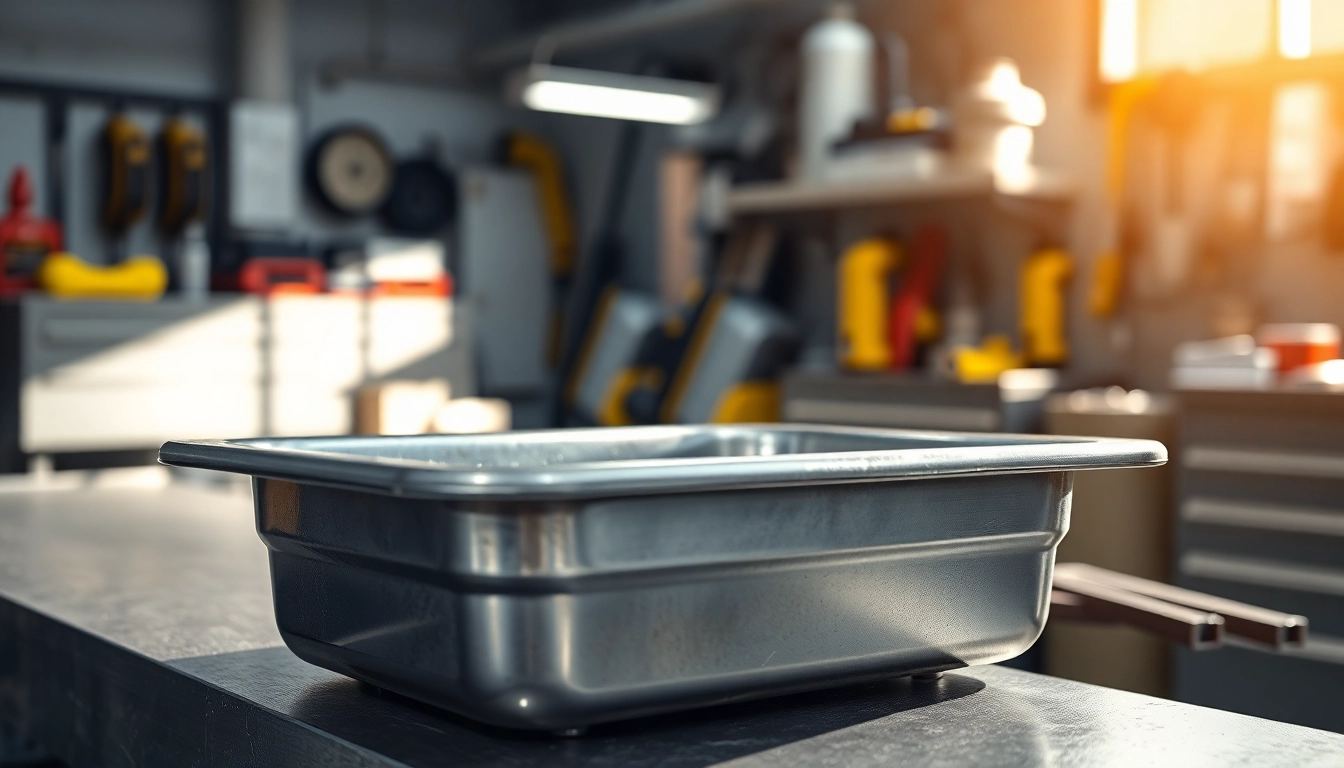
Understanding the Oil Drain Pan
What is an Oil Drain Pan?
An Oil Drain Pan is a specialized container designed to catch and collect used motor oil and other automotive fluids during maintenance or repair work. The pan serves as an essential tool for any vehicle owner or mechanic, facilitating clean and efficient oil changes while preventing spills and environmental contamination. The design of these pans varies, featuring options that cater to specific needs—ranging from simple receptacles to sophisticated designs with pumps or spouts for easy disposal.
Importance of an Oil Drain Pan
The importance of an oil drain pan cannot be overstated. During an oil change, the used oil must be contained and disposed of properly. Without a designated oil drain pan, the risk of spilling old oil on the ground increases substantially, which can lead to environmental contamination and potential legal liabilities. Utilizing an oil drain pan not only simplifies the process but also ensures compliance with local regulations regarding hazardous waste disposal. Furthermore, a good oil drain pan can save you time and effort, allowing for a smooth and efficient oil change experience.
Types of Oil Drain Pans
Oil drain pans come in a variety of types, each designed to meet specific user needs:
- Standard Pans: Typically made from durable plastic or metal, these pans are simple, affordable, and effective for household DIY oil changes.
- Low-Profile Pans: Ideal for vehicles with low ground clearance, these pans allow for easy positioning under the vehicle without having to raise it significantly.
- Pans with Built-in Pumps: Equipped with pumps or spouts, these pans make transferring used oil into storage containers much quicker and cleaner.
- Rolling Oil Drain Pans: Suitable for workshops, these come with wheels, allowing easy movement and positioning during multi-vehicle servicing.
Key Features of Quality Oil Drain Pans
Size and Capacity Considerations
When selecting an oil drain pan, size and capacity are crucial. The ideal pan should accommodate the total oil capacity of your vehicle's engine. Most cars have oil capacities ranging from 5 to 16 quarts, hence selecting a pan that holds at least that amount is wise. For larger vehicles, such as trucks or SUVs, consider a pan that can hold 20 quarts or more to avoid overflow during the draining process, enhancing efficiency and reducing the likelihood of spills.
Material Choices: Plastic vs. Metal
The choice of materials in manufacturing oil drain pans affects both durability and performance. Plastic pans are lightweight, rust-proof, and resistant to various chemicals, making them ideal for casual users. However, they may not withstand as much wear and tear as metal pans, which offer increased durability and can handle heavier oils. Metal pans often feature a spout for ease of pouring, while some higher-end models come equipped with a mechanism for easy oil disposal.
Innovative Features to Look For
Modern oil drain pans offer a plethora of innovative features, including:
- Built-in Pumps: Allow for effortless draining and transfer of oil, eliminating the need for manual pouring.
- Easy-to-Clean Designs: Models with smooth surfaces and minimal seams prevent oil from getting trapped, making cleanup simpler.
- Integrated Measurement Marks: Help users keep track of how much oil has been drained, aiding in proper recycling or disposal.
Using an Oil Drain Pan Effectively
Step-by-Step Oil Change Process
Utilizing an oil drain pan effectively involves following a systematic oil change process:
- Gather all necessary materials, including your oil drain pan, new oil, an oil filter, a wrench, and a funnel.
- Park the vehicle on a level surface and ensure the engine is cool to prevent burns.
- Locate the oil drain plug under the vehicle and position your oil drain pan beneath it.
- Remove the drain plug using your wrench and allow the old oil to drain completely into the pan.
- Once drained, replace the drain plug securely, and then proceed to remove the oil filter using an appropriate tool.
- Install the new oil filter, following the manufacturer's instructions.
- Finally, pour the new oil through the funnel into the engine and check for leaks.
Maintaining Your Oil Drain Pan
Proper maintenance of your oil drain pan ensures its longevity and reliability. After each use, clean the pan thoroughly using soap and water, or use a degreaser for stubborn residues. Make sure to rinse it well and allow it to dry before storing it. Also, inspect the pan regularly for cracks or leaks, especially if it is made from plastic, as degradation can occur over time. If you own a metal pan, ensure it is free from rust or corrosion by storing it in a dry place.
Common Mistakes to Avoid
While using an oil drain pan may seem straightforward, several common mistakes can undermine the process:
- Using Inappropriate Containers: Never substitute your oil drain pan with regular containers, as these may not withstand oil's corrosive properties.
- Neglecting Safety: Always use gloves and protective eyewear when handling used oil to minimize skin and eye contact.
- Failing to Dispose of Oil Properly: Always transfer used oil to designated disposal containers and follow local regulations for disposal.
Safety and Environmental Considerations
Proper Disposal of Used Oil
Used motor oil is considered a hazardous material and should be disposed of responsibly. Many communities have specific programs for recycling used oil, and automotive shops often provide disposal services. Using your oil drain pan, transfer the used oil into a proper recycling container. Never pour used oil down the drain, onto the ground, or dispose of it in the trash, as this can lead to severe environmental consequences.
Safe Handling Tips
Aside from proper disposal of used oil, adopting safe handling practices is essential. Always wear gloves and protective gear when working with oil to avoid skin irritation. If the oil is hot, give it ample time to cool before draining. Keep your workspace well-ventilated and have an absorbent material at hand in case of spills. Train any individuals assisting you in these practices to foster a safety-first environment.
Regulations and Best Practices
It is vital to stay informed on local regulations surrounding hazardous waste disposal, as penalties for improper oil disposal can be severe. Some states mandate specific oil recycling programs, while others might have designated drop-off points for used oil. Familiarize yourself with these requirements and follow best practices, such as keeping records of oil changes and disposal for your home or business.
FAQs About Oil Drain Pans
What size of oil drain pan should I get?
Choose a pan that accommodates your vehicle's oil capacity, typically 5-16 quarts for most passenger vehicles.
Can I use a regular container instead of an oil drain pan?
No, regular containers may leak and lack the design features needed for safe oil collection.
How do I clean my oil drain pan?
Use soap and water or a degreaser, ensuring to recycle any oil properly after use.
Is it safe to store used oil in the drain pan?
It’s advisable to transfer used oil to a designated container for storage until disposal.
Are there oil drain pans with built-in pumps?
Yes, many modern oil drain pans come with built-in pumps for easy disposal of used oil.