Understanding the Importance of a Fly Fishing Net
Fly fishing is a popular sport that demands attention to detail and the right gear to enhance the overall experience. One of the most crucial pieces of equipment in a fly fisher's arsenal is the fly fishing net. Beyond simply helping to land fish, a quality net plays a vital role in conservation and ensuring a more enjoyable outing. This guide delves into the significance of fly fishing nets, exploring their various functions, materials, types, and much more. Whether you're a seasoned angler or just starting, understanding the value of a fly fishing net is essential.
Role of a Fly Fishing Net in Catch and Release
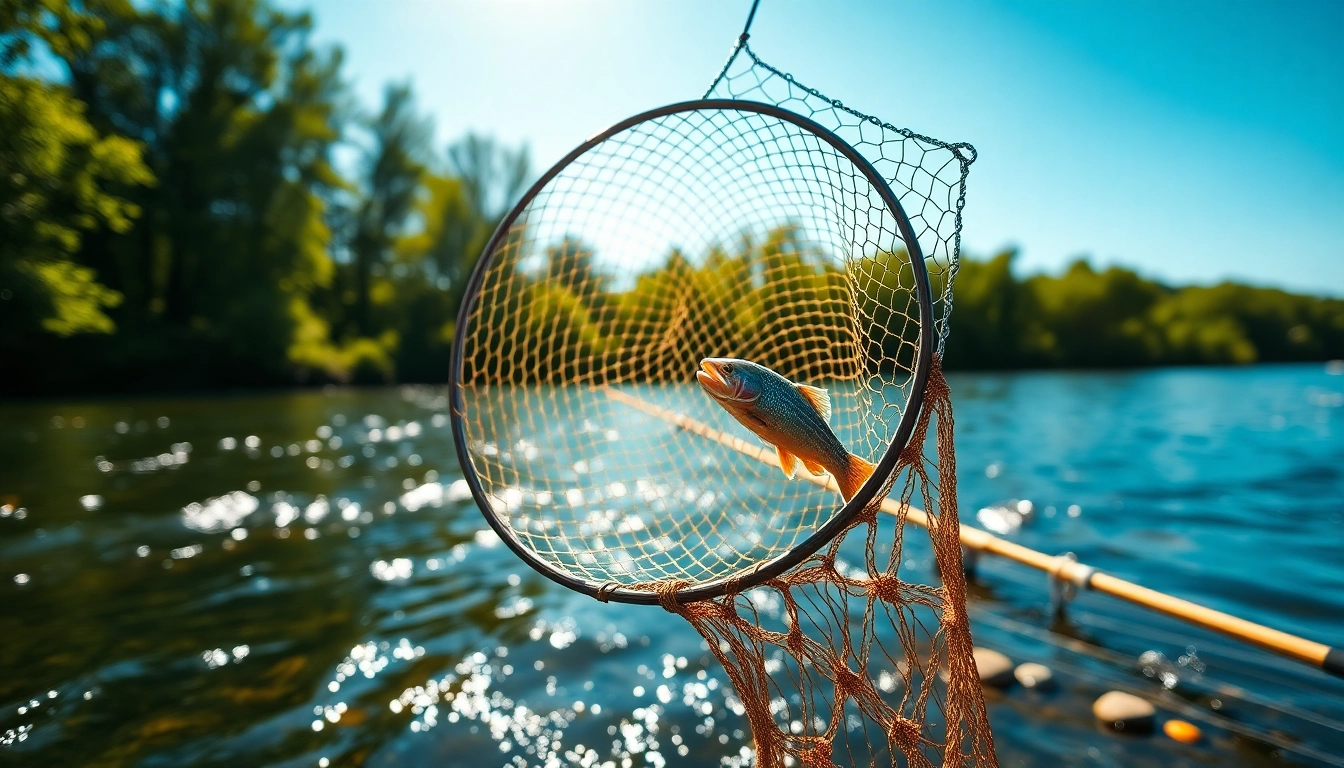
The primary purpose of a fly fishing net is to assist anglers in landing their catch with minimal damage. For those who practice catch and release, this becomes even more critical. A well-designed net reduces stress on the fish, preventing unnecessary injury and facilitating a smooth release back into the water. When using a net, anglers can avoid the rough handling that can occur when trying to lift a fish directly out of the water, which can cause gill damage or other physical trauma.
Materials Used in Fly Fishing Nets
Fly fishing nets come in various materials, ideally chosen based on their performance and impact on aquatic life. Here are some common materials:
- Wood: Traditionally used, wooden handles and frames offer aesthetic appeal and durability but can become heavy and less practical over time.
- Aluminum: Lightweight and resistant to corrosion, aluminum nets are favored for their easy handling. However, they can be chilly in colder weather.
- Composite materials: These combine the benefits of durability and lightweight construction, often providing a good balance for anglers.
- Mesh: The choice of mesh material is also vital. Knotless mesh is preferred as it is gentler on fish scales and reduces injuries, enhancing the catch and release process.
Types of Fly Fishing Nets: Which One is Right for You?
When selecting a fly fishing net, it's essential to consider the type that best suits your fishing style. Here are some popular types:
- Landing Nets: Ideal for general use, they are versatile and come in various sizes.
- Boat Nets: Specifically designed for boat anglers, these nets have longer handles to reach into the water effectively.
- Wading Nets: Shorter and lightweight, wading nets are perfect for anglers who are standing in shallow water.
- Salmon and Trout Nets: These nets are specially designed to handle larger species of fish, featuring deeper and wider baskets.
Features to Look for in a Quality Fly Fishing Net
Choosing the right fly fishing net goes beyond aesthetics. You need to consider various features to ensure you're making a sound investment. Here are critical features to evaluate:
Size and Shape Considerations
Size can significantly influence the effectiveness of a fly fishing net. A larger net can easily accommodate bigger fish, while a smaller net can be more agile and easier to handle in tight spots. Net shape also matters; wider openings make it easier to scoop fish without causing stress. A net with a good depth allows you to submerge it efficiently while keeping the fish secure.
Handle Length: What's Best for You?
The length of the net's handle is a personal choice, often dictated by your fishing technique and preferences. Longer handles can help you reach further while wading or fishing from a boat, whereas shorter handles provide more control and maneuverability. Consider your usual fishing scenarios and choose a handle length that will enhance your comfort and effectiveness when landing fish.
Knotless Mesh vs. Traditional Mesh: Pros and Cons
The type of mesh used in your net can profoundly affect the safety of the fish and your net's overall performance. Knotless mesh nets boast several advantages:
- Gentler on Fish: Knotless mesh fibers are less likely to snag a fish's scales, resulting in less stress and injuries.
- Reduced Hook Snags: The smooth surface reduces the chances of hooks getting caught up, making it easier to remove the fish.
- Durability: Knotless options tend to hold up better over time, maintaining their integrity under repeated use.
Conversely, traditional mesh nets might be more economical, but their design often leads to higher chances of fish injury and could result in a more complicated catch-and-release process.
Tips for Maintaining Your Fly Fishing Net
Proper maintenance of your fly fishing net ensures it remains in optimal condition, ready for your next fishing adventure. Here are some essential maintenance tips:
Cleaning Techniques for Longevity
After every fishing trip, it's essential to clean your net. Remove any debris, algae, or mud that may have accumulated. A soft-bristle brush and mild soap make an effective combination for cleaning the frame and mesh. Rinse thoroughly to prevent soap residue buildup that can attract fish and damage the net over time. Additionally, allowing your net to dry completely before storing it will help prevent mold and odors.
Storage Tips to Prevent Damage
How you store your net can significantly affect its longevity. Here are some tips for safe storage:
- Store in a cool, dry place away from direct sunlight to prevent degradation of materials.
- Avoid crushing or bending the net frame, as this can compromise its integrity.
- Consider hanging your net or storing it flat to keep its shape intact.
Troubleshooting Common Issues
Even with diligent care, nets may experience wear or damage over time. Here are a few common issues and troubleshooting tips:
- Tears in the Mesh: Small tears can often be repaired with mesh repair tape, while larger tears may necessitate replacing the net.
- Corroded Frames: For metal frames, regularly checking and cleaning can prevent corrosion. If corrosion occurs, consider polishing it or replacing the frame.
- Broken Handles: Handle breakage can often be repaired, but assess whether replacing the handle or the entire net is a better option for maintaining performance.
Enhancing Your Angling Experience: Fly Fishing Net Accessories
To maximize your efficiency and enjoyment while fishing, consider integrating some fly fishing net accessories. Enhancements not only make the sport more enjoyable but also improve your overall success rate.
Attachments for Convenience
Various attachments can add convenience to your fly fishing net. Retractor clips, for example, allow you to easily access your net without fumbling through your gear. Net floats can also be beneficial, especially for larger nets, preventing them from sinking if dropped in the water. Some anglers also use lanyards or quick-release clips for easy detachment and accessibility.
Customization Options for Personal Touches
For those looking to add a personal touch to their fishing gear, there are plenty of customization options available. This can include tailored net designs, engraved handles, or even custom mesh colors that reflect your style. Personalization can enhance your enjoyment of the sport while making your gear feel uniquely yours.
Comparison of Top Accessories in the Market
When considering accessories, it’s worthwhile to review market options. Look for accessories with excellent user reviews, reliability, and durability. Brands that specialize in fishing gear often offer bundles or accessories designed to work seamlessly with their nets, ensuring compatibility and functionality.
Expert Recommendations for Selecting Your Fly Fishing Net
Choosing the right fly fishing net requires careful thought. Consider both functionality and your fishing style to make an informed purchase. Here are some expert recommendations:
Top Brands for Fly Fishing Nets
There are several reputable brands recognized for their quality fly fishing nets:
- NetFly: Known for durable, lightweight designs.
- Fishpond: Offers environmentally sustainable nets and a range of options for all anglers.
- Simms: Provides premium nets that combine innovation with high performance.
- Orvis: Renowned for their craftsmanship and a variety of nets tailored to different fishing conditions.
User Feedback and Reviews: Learning from Others
Before making a purchase, it's essential to read user reviews and feedback. Many anglers share their experiences and insights on forums, reviews websites, and social media. Learning from others helps you understand the nets' pros and cons and can guide you toward the best choice for your needs.
How to Test Your Net Before Use
Before hitting the water, testing your net is crucial to ensure firm handling and proper functionality. Here’s how to do it:
- Check for Integrity: Inspect for cracks or weaknesses in the mesh and frame.
- Practice Handling: Get a feel for the net's weight and balance. Ensure it's comfortable to maneuver.
- Scoop Water: Practice scooping with your net in a shallow water source to assess handling and ease of use.
By following these guidelines and investing time into understanding and selecting the right fly fishing net, you can significantly enhance your fishing experience. With the right net, you can not only improve your catch-and-release success but also contribute to the sustainability of fish populations, ensuring that future generations can enjoy this beloved pastime.