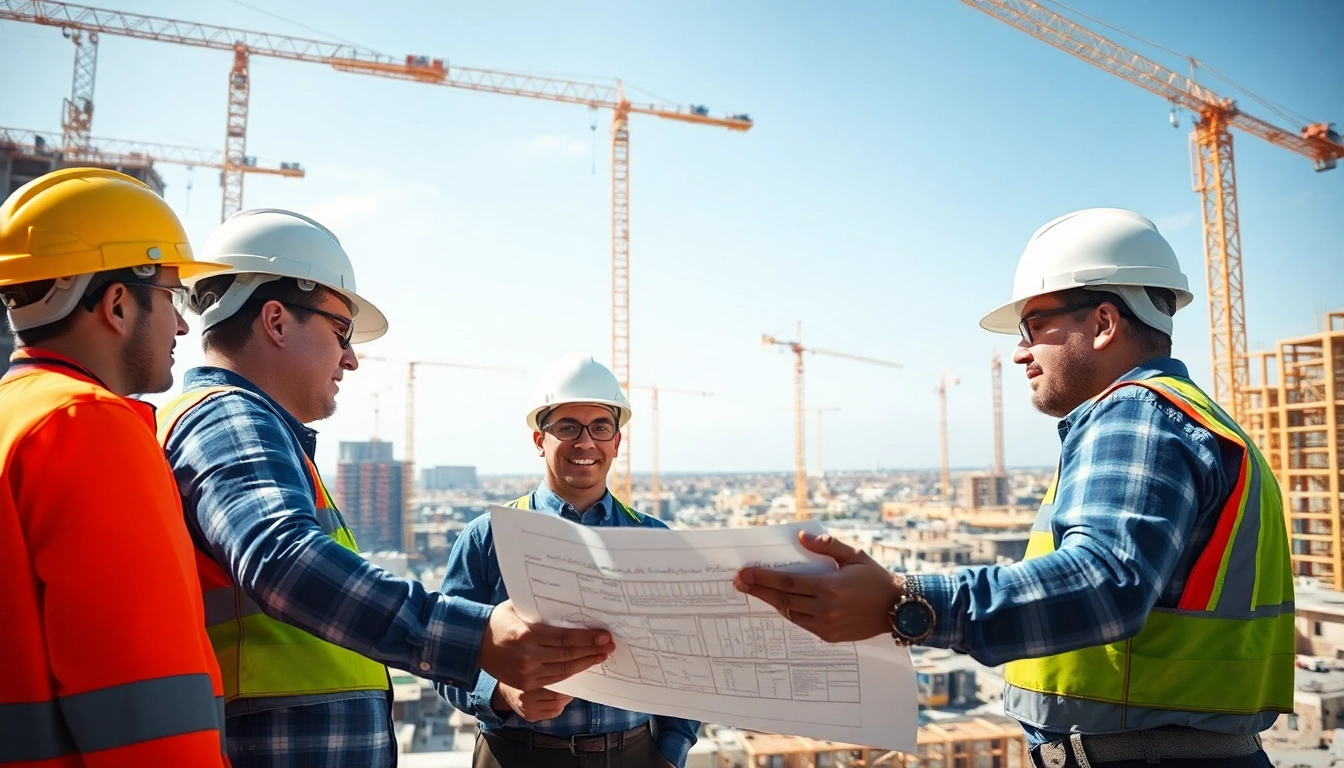
The Importance of a Construction Association
In today's dynamic construction landscape, the role of a construction association has never been more crucial. These organizations not only serve as a backbone for industry professionals but also foster connections and facilitate growth. They address the unique challenges faced by their members while advocating for a better industry environment. In this article, we will cover the significant contributions of construction associations towards the industry's prosperity and development.
Understanding the Role of a Construction Association
A construction association functions as a collective voice for contractors, builders, and various stakeholders within the construction industry. These associations work towards standardizing best practices, promoting safety regulations, and pushing for technological advancements. They create a community that encourages collaboration and knowledge sharing, helping members to tackle project-related challenges effectively. Additionally, they often act as a mediator between the construction industry and legislative bodies, ensuring that members’ concerns are represented in policy-making.
Key Benefits for Members of a Construction Association
Belonging to a construction association offers numerous advantages, including:
- Access to Resources: Members can utilize a wealth of industry-specific information, research materials, and training resources which can improve their operations.
- Networking Opportunities: Meeting other professionals opens doors to collaborations and strategic partnerships.
- Advocacy Efforts: Construction associations actively lobby for favorable regulations that impact their members’ businesses positively.
- Professional Development: Participation in training sessions and workshops leads to enhanced skills and knowledge for individuals and companies alike.
Impact on the Local Economy Through Construction Associations
Construction associations not only benefit their members but also significantly impact the local economy. By representing the interests of builders and contractors, they help create jobs and stimulate economic growth. Their advocacy can lead to infrastructure improvements and community development projects that further enhance local living standards. Moreover, construction associations often engage in public initiatives that promote sustainable building practices, contributing to a healthier environment for future generations.
Advocacy and Representation
How Construction Associations Advocate for Industry Needs
Construction associations are adept at advocating for the industry's needs, addressing issues such as labor shortages, regulations, and funding for construction projects. By actively engaging with policymakers, these associations ensure that the voice of the construction sector is heard when it matters most. They provide research-backed insights that support their positions, helping to influence legislation that affects the industry. Moreover, these associations often host forums for members to share their concerns, which then guide advocacy priorities.
The Role of Policy in Construction Associations
Policies enacted by government bodies can greatly affect the construction industry. Construction associations work diligently to influence these policies, as they can dictate funding allocations, safety regulations, and labor laws. By participating in policy advisory committees and providing public testimony, construction associations help shape regulations that promote a robust construction environment. Their involvement ensures that the interests and realities of the industry are reflected in legislative actions.
Case Studies of Successful Advocacy by Construction Associations
Numerous construction associations have achieved significant victories through advocacy. For example, an association may have successfully lobbied for increased funding for public infrastructure projects, resulting in job creation and economic boosts in local areas. Other associations have effectively campaigned for safety standard mitigations that led to improved working conditions for their members. These successes not only showcase the importance of advocacy but also inspire other associations to pursue similar initiatives for their community.
Networking Opportunities
How Construction Associations Facilitate Networking
Networking is vital in the construction industry, as collaborative efforts can lead to higher quality work and innovative solutions. Construction associations lay the groundwork for strong network connections by organizing events, workshops, and seminars. These gatherings unite industry professionals from various sectors, allowing members to exchange ideas, discuss challenges, and seek partnerships. The connections forged in these settings often lead to project collaborations, mentorship opportunities, and referrals to clients.
Creating Partnerships through Construction Associations
Through organized events and programs, construction associations provide platforms for forming partnerships. These collaborations can enhance bidding processes, leading to more competitive and comprehensive project proposals. For example, a general contractor might connect with specialty subcontractors through an association's networking event, resulting in a successful collaboration on a major project. These partnerships not only boost individual businesses but also strengthen the construction industry as a whole by promoting cooperation and innovation.
Events and Conferences Hosted by Construction Associations
Events and conferences are pivotal in the construction industry, offering valuable networking opportunities and showcasing advancements. Construction associations frequently host these gatherings, bringing together experts, leaders, and innovators. Attendees can participate in workshops, panels, and discussions focusing on current trends, challenges, and future directions of the industry. Events like these foster knowledge sharing, resulting in enhanced practices and strategic approaches to construction.
Skill Development and Training
Training Programs Offered by Construction Associations
One of the foremost contributions of construction associations is the provision of training programs that help workers acquire essential skills and knowledge. These programs address a range of topics, including safety protocols, project management, and new technologies in construction. By investing in their workforce, construction associations empower members to improve their craftsmanship and operational efficiencies, while also ensuring high standards of safety and quality in their projects.
Certifications and Standards in the Construction Industry
Certifications play a crucial role in establishing credibility within the construction sector. Construction associations offer various certification programs that cover essential skills and specializations, helping members stand out in a competitive job market. These certifications not only validate skills but also ensure compliance with industry standards, fostering trust among clients and stakeholders. Additionally, they often highlight a commitment to continued professional development and excellence.
The Importance of Continuous Learning for Construction Professionals
The construction industry is rapidly evolving due to technological advancements and regulatory changes. Continuous learning is essential for construction professionals to stay relevant and competitive. Construction associations support lifelong learning through workshops and training initiatives, emphasizing the importance of adapting to new methods, materials, and compliance standards. Members who engage in continuous education not only elevate their practices but also help the industry evolve and meet contemporary demands.
Future Trends in Construction Associations
Technological Innovations Impacting Construction Associations
As technology continues to reshape industries, construction associations are increasingly leveraging innovative tools to enhance member services and operations. From digital platforms for networking to virtual training sessions, technological advancements help construction associations connect with members and disseminate information more effectively. Integration of technologies like Building Information Modeling (BIM) and drones for surveying is gaining traction, and associations guide their members in adopting these new tools.
Sustainability Goals and Construction Associations
In light of global concerns about climate change, sustainability is now a top priority for many construction associations. These organizations champion initiatives that promote green building practices, energy efficiency, and sustainable sourcing of materials. By setting sustainability standards and providing resources on eco-friendly practices, construction associations equip their members to contribute positively to environmental preservation while meeting the rising demand for sustainable construction solutions.
The Future of Collaboration in the Construction Industry
The future of the construction industry lies in collaboration, with construction associations playing a vital role in fostering a cooperative environment. As projects become increasingly complex, partnerships between various stakeholders, including contractors, suppliers, and design professionals, will be essential for success. Construction associations are positioned to facilitate these collaborations, creating networks that encourage shared responsibility and joint problem-solving, ultimately leading to more successful projects.
Frequently Asked Questions
What is the main purpose of a construction association?
A construction association serves as a collective voice for industry professionals, advocating for their interests, providing resources, networking opportunities, and facilitating professional development.
How do construction associations support local economies?
By promoting job creation, supporting infrastructure projects, and advocating for favorable regulations, construction associations contribute significantly to local economic growth.
What types of training programs do construction associations offer?
Construction associations offer various training programs covering safety, project management, technology, and best practices, helping professionals enhance their skills and knowledge.
How do construction associations promote networking?
They organize events, conferences, and workshops that bring together industry professionals, providing a platform for collaboration, partnerships, and information sharing.
Why is continuous learning important in construction?
Continuous learning ensures construction professionals stay updated with industry trends, regulatory changes, and technological advancements, enhancing their competitiveness and adaptability.