
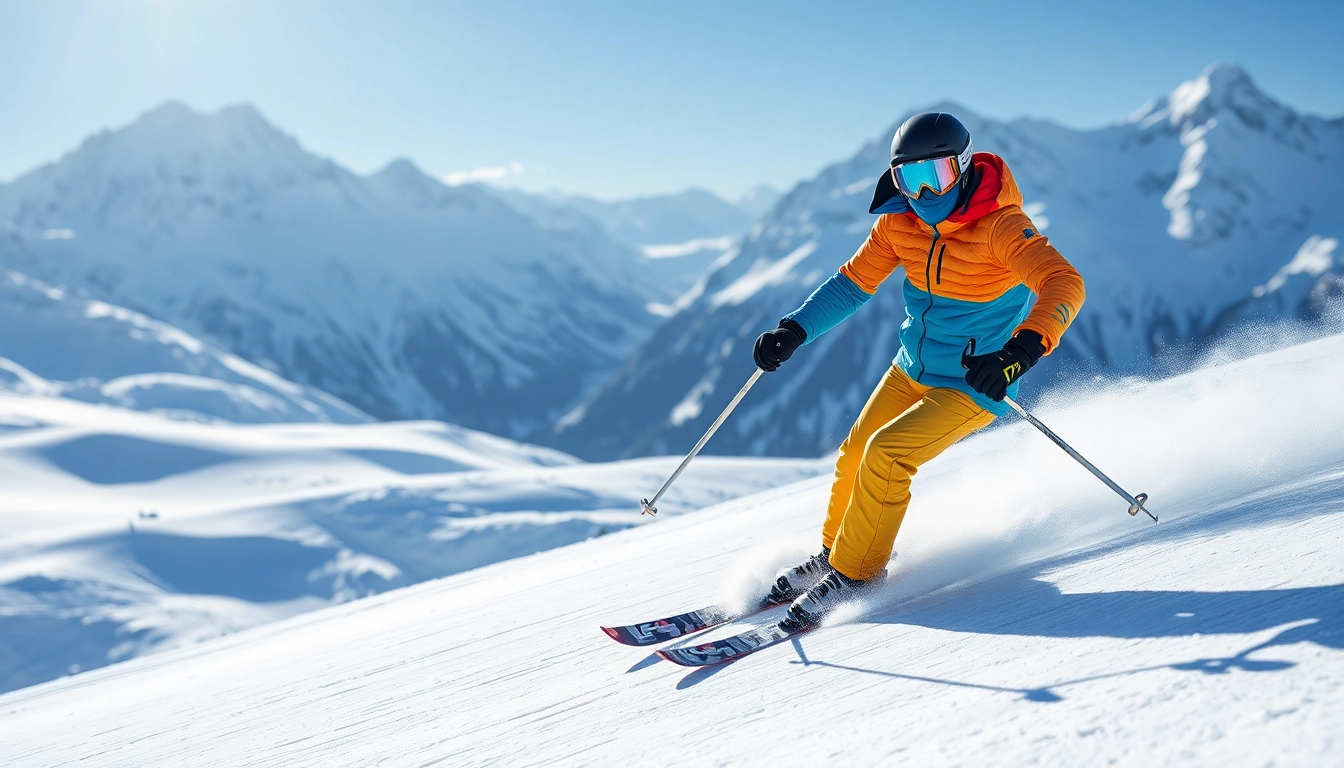
Understanding Ski Gear Essentials
When it comes to skiing, selecting the best ski gear can profoundly influence your performance and enjoyment on the slopes. The right equipment not only enhances your safety but also improves your overall ski experience. With a plethora of options available today, understanding the essentials of ski gear becomes paramount for any enthusiast.
What is Considered the Best Ski Gear?
Defining the best ski gear involves several factors. Firstly, it’s essential to consider the type of skiing you’ll be doing—be it downhill, backcountry, or freestyle. Each style requires specific gear designed to optimize performance. Generally, the best ski gear includes a combination of skis, boots, bindings, and appropriate clothing, all tailored for the skier’s skill level and personal preferences. High-quality materials, innovative designs, and rigorous testing are common hallmarks of superior ski equipment.
Key Features of Quality Ski Gear
When evaluating ski gear, several key features should be prioritized:
- Performance: Look for gear that enhances control and responsiveness, adjusting to varying terrains and conditions.
- Comfort: This includes proper fit, insulation, and moisture-wicking capabilities to keep you warm and dry without restricting movement.
- Durability: Quality materials resist wear and tear, ensuring your gear withstands harsh weather and rough terrains.
- Safety Features: Items such as helmets and avalanche gear play critical roles in protecting you on the slopes.
Why Choosing the Right Gear Matters
Choosing the right ski gear matters because it affects your safety, performance, and enjoyment. Inadequate or ill-fitting equipment can lead to accidents or injuries, while well-chosen gear enables you to navigate slopes more effectively. Moreover, having gear that aligns with your skiing style can boost your confidence, allowing you to tackle challenges you might otherwise shy away from.
Snowboard vs. Ski Gear: Making the Right Choice
The debate between skiing and snowboarding often centers on gear. Understanding the distinctions between ski and snowboard gear is crucial for making an informed choice that mesh with your preferences and skills.
Comparative Analysis of Ski and Snowboard Gear
Ski gear is generally compartmentalized, with separate items for skis, bindings, and ski poles, offering more versatility in terms of movement. Snowboard gear, while also focused on performance, is typically a single board and a pair of boots. While both require quality clothing for insulation and protection, the optimal gear varies significantly due to the differing mechanics of skiing and snowboarding.
Adaptability of Ski Gear for Different Styles
One advantage of ski gear is its adaptability for multiple skiing styles. All-mountain skis, for instance, provide a balance for handling various types of terrain, while specialized gear such as powder skis and park skis exist for niche applications. This diversity allows skiers to experiment with different styles without needing to invest heavily in separate gear from the outset.
Choosing Based on Terrain
The terrain you’ll be skiing on heavily influences the type of gear you should select. For instance, if you’re planning to tackle hard-packed trails, your best ski gear would consist of groomed-slope skis and precision boots. Alternatively, if you prefer off-piste adventures, backcountry skis designed for soft snow and variable conditions are essential. Understanding terrain variations ensures that you optimize your gear selection for safety and performance.
How to Select the Best Ski Gear for Your Needs
Selecting the best ski gear is not a monolithic process; it necessitates careful consideration of various factors. Here are some vital aspects to look into:
Understanding Sizing and Fit
The fit of your ski gear significantly impacts your skiing experience. Boots should fit snugly yet comfortably with minimal movement while skis should match your height, weight, and skill level. Many manufacturers provide sizing charts to assist you in selecting the correct size. Trying gear in person can help ensure the perfect fit before purchasing.
Budget Considerations for Quality Gear
Quality ski gear can be a considerable investment. Setting a budget is essential, but keep in mind that spending a bit more on durable, high-quality gear can save you from constant replacements. Researching gear sales, rentals, and second-hand options can also provide avenues for acquiring the best ski gear without breaking the bank.
Common Mistakes in Gear Selection
Avoiding common pitfalls can help you select the right gear. One mistake is underestimating the importance of proper fit; poorly fitting gear can lead to discomfort and decreased performance. Another is overemphasizing brand names over quality—prioritize materials and features instead. Lastly, not accounting for changing skills can result in outgrowing your equipment too quickly, so choose gear that will grow with you.
Top Brands Offering the Best Ski Gear
Understanding the brands synonymous with quality ski gear can streamline your shopping experience. While specific brand names won’t be mentioned, recognizing attributes that signify excellence can help guide your choices.
Identifying High-Quality Manufacturing
High-quality ski gear often boasts superior craftsmanship, rigorous testing, and advanced material technologies. Look for manufacturers who emphasize the durability and performance of their products, as well as those that are recognized in ski communities for exceptional gear.
Popular Innovations in Ski Technology
The skiing industry continuously evolves with innovations aimed at boosting performance and comfort. Key advancements include lightweight materials for easier handling, enhanced insulation technologies for better warmth, and new binding systems that improve safety and efficiency. Keeping an eye on these trends can help you select gear that leverages the latest performance features.
Trends in Ski Gear for Upcoming Seasons
As ski fashion changes, new trends highlight functionality and style. Look for gear that integrates sustainability, such as eco-friendly materials and responsibly sourced insulation. The rise of customization options is also a noteworthy trend; many brands offer gear that can be tailored to your aesthetic preferences while maintaining performance.
Maintaining Your Ski Gear for Longevity
Owning quality ski gear necessitates proper maintenance to ensure longevity. Basic care routines can extend the life of your equipment significantly.
Cleaning and Storage Best Practices
Proper cleaning and storage are crucial for maintaining your ski gear. Always clean your skis and snowboard after use, removing dirt and grime to prevent corrosion. Store your gear in a cool, dry place during off-seasons, ideally with bags or padded covers to reduce wear.
Regular Maintenance Tips for Optimal Performance
Routine maintenance should include checking bindings, sharpening edges, and waxing bases. Regular tuning will bolster your gear’s performance, ensuring smooth rides down the slopes. Consult professionals whenever significant repairs or adjustments are necessary.
Signs Your Gear Needs Replacement
Recognizing when gear needs replacement can save you from subpar ski experiences. Signs include visible wear such as significant scratches on skis, loss of water resistance in clothing, or discomfort from boots that no longer fit properly. Don’t hesitate to update your gear periodically to ensure you have the best ski gear.
FAQs
What ski gear do beginners need?
Beginners should start with essential items like skis, boots, bindings, poles, and a helmet. Quality ski clothing, including waterproof jackets and pants, is also crucial for comfort.
How do I know what size ski gear to buy?
Size varies by brand, but generally, your height, weight, and shoe size dictate the proper size for skis and boots. Always consult size charts for accuracy.
Can I rent ski gear instead of buying?
Yes, renting can be a cost-effective way to try different equipment without commitment. It’s ideal for occasional skiers or those who want to experiment with gear.
How often should I replace my ski gear?
It’s advisable to replace ski gear every 5-10 years, depending on usage, wear, and both performance and safety factors. Regular inspections will help determine when it’s time for a change.
What should I wear skiing?
Wear layers including moisture-wicking base layers, insulating mid-layers, and waterproof outer layers. Don’t forget gloves, helmets, and ski socks for warmth and protection.