Understanding Surfacing Solutions
Surfacing solutions are critical components in construction and maintenance projects, involving the application of various materials to enhance durability and aesthetic appeal. These solutions are applicable in diverse environments such as commercial buildings, residential properties, and recreational areas. By leveraging the right surfacing solutions, property owners and managers can significantly improve the longevity, functionality, and appearance of their surfaces.
Definition and Types of Surfacing Solutions
Surfacing solutions encompass a wide range of materials and methods designed to cover various surfaces in both indoor and outdoor settings. Here are some common types:
- Concrete Surfacing: Used for roads, sidewalks, and floors, concrete provides strength and durability.
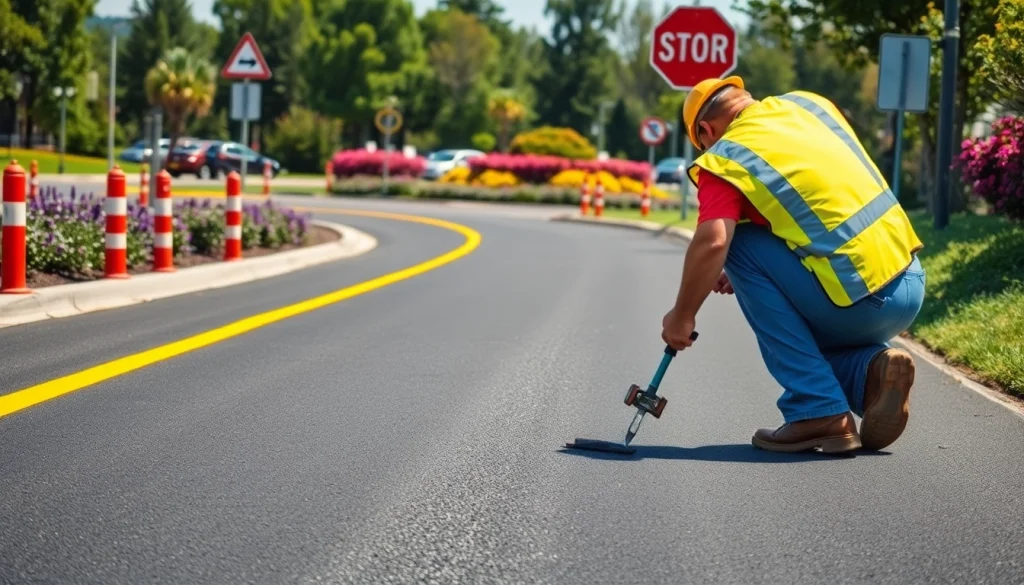
- Asphalt Surfacing: Ideal for driveways and roads, asphalt is flexible and easy to install.
- Resin-Bound Surfacing: This system creates a seamless finish and is excellent for pathways and gardens.
- Tarmac Surfacing: Often used in commercial settings, tarmac is a sturdy solution for heavy traffic areas.
- Stone Paving: Offers aesthetic value and is used in patios and walkways.
- Rubber Surfacing: Common in playgrounds and sport facilities, providing shock absorption and safety.
Key Benefits of Quality Surfacing Solutions
Investing in quality surfacing solutions yields numerous benefits, including:
- Enhanced Durability: Quality materials withstand environmental stressors, reducing the need for frequent repairs.
- Aesthetic Appeal: Beautifully finished surfaces can significantly enhance property value and curb appeal.
- Improved Safety: Non-slip surfacing options reduce the risk of accidents and falls.
- Cost-Effectiveness: High-quality surfaces minimize long-term costs through reduced maintenance and replacement needs.
- Environmental Resistance: Certain surfacing solutions are designed to resist water penetration, reducing erosion and damage.
Common Applications for Surfacing Solutions
The versatility of surfacing solutions means they can be applied in various sectors:
- Commercial Spaces: Parking lots, walkways, and loading docks benefit from durable surfacing.
- Residential Areas: Driveways, patios, and pool surrounds can be aesthetically enhanced.
- Playgrounds and Sports Facilities: Safety-focused surfacing solutions like rubber and synthetic grass are ideal.
- Roadways: Durable asphalt and concrete materials are essential for vehicle traffic.
- Industrial Sites: Heavy-duty surfacing can support machinery and high traffic volumes.
Factors to Consider When Selecting Surfacing Solutions
Budgeting for Surfacing Solutions
Budgeting plays a crucial role in the choice of surfacing solutions. It is essential to account for:
- Material Costs: Various materials come with differing price points. Consider the cost-effectiveness of each type.
- Installation Costs: Professional installation may be required for complex surfacing solutions; this should be included in your budget.
- Long-term Maintenance: Consider the future upkeep costs of your chosen surfacing solution.
Durability and Maintenance Requirements
Evaluating the durability of surfacing solutions is essential. Here are key pointers:
- Material Strength: Choose materials known for their resilience against wear and environmental factors.
- Maintenance Frequency: Some surfacing options require more frequent upkeep than others; this affects long-term costs.
- Warranty and Support: Research if the materials come with warranties or manufacturer support for potential issues.
Environmental Impact of Surfacing Solutions
As sustainability becomes ever more critical, consider the environmental impacts of your surfacing choice:
- Eco-Friendly Materials: Look for solutions made from recycled materials or sustainably sourced options.
- Water Permeability: Certain surfacing solutions allow rainwater to flow through, which prevents runoff and reduces flooding risks.
- Energy Consumption during Installation: Evaluate how much energy is used in the production and installation of the surfacing materials.
Installation Process of Surfacing Solutions
Preparation Steps for Effective Installation
Proper preparation is key to ensuring long-lasting surfacing solutions:
- Site Survey: Analyze the site for appropriate drainage solutions and soil conditions.
- Material Selection: Choose materials based on the application, weather conditions, and anticipated traffic.
- Ground Preparation: Ensure the surface is adequately compacted and leveled for the installation of the surfacing solution.
Equipment Needed for Surfacing Solutions
Having the right tools and equipment for installation ensures efficiency:
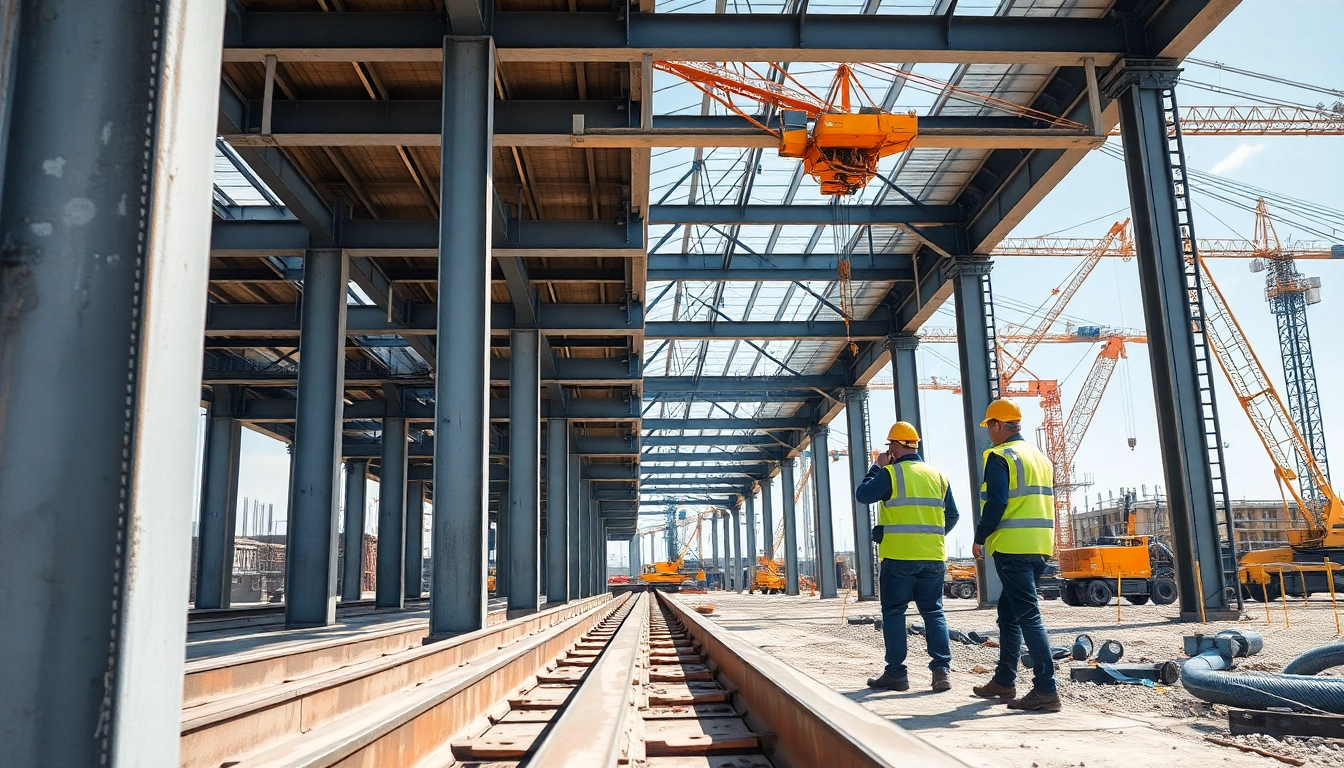
- Excavators and Loaders: Useful for moving and preparing large quantities of soil and materials.
- Concrete Mixers: Essential if using concrete as a surfacing material.
- Paving Machines: Needed for large-scale asphalt or concrete applications.
Timeframe for Completion of Surfacing Solutions Projects
The time needed to complete surfacing projects can vary significantly, often influenced by:
- Project Size: Smaller projects naturally require less time.
- Weather Conditions: Rain or extreme temperatures can delay installation schedules.
- Type of Material: Some materials need curing time that can extend the overall project timeline.
Best Practices for Maintaining Surfacing Solutions
Regular Inspection and Maintenance Tips
To prolong the life of your surfacing solutions, regular maintenance is essential:
- Scheduled Inspections: Periodically check for cracks, shifts, or other signs of wear.
- Clean Routine: Remove debris, oil stains, and other contaminants that can cause damage over time.
- Expert Assessments: Consider professional evaluations to catch issues early on before they necessitate extensive repairs.
Addressing Repairs and Wear
When damage occurs, quick action can prevent further issues:
- Prompt Repairs: Treat small cracks or wear immediately to avoid larger, more expensive damage.
- Material Replacement: Replace any severely damaged materials to maintain the integrity of the surface.
- Professional Help: Whenever in doubt, consult professionals for complex repairs to ensure proper handling.
Enhancing Lifespan of Surfacing Solutions
To maximize the lifespan of your surface, incorporate these strategies:
- Regular Sealing: Sealants can provide an extra protective layer, particularly for concrete and asphalt surfaces.
- Avoid Heavy Loads: Keep heavy vehicles off surfaces not designed for such weights to prevent early wear.
- Implement Drainage Solutions: Effective drainage minimizes water pooling, which can erode surfacing materials.
Future Trends in Surfacing Solutions
Innovative Materials in Surfacing Solutions
The surfacing industry is evolving, with innovative materials emerging that enhance functionality:
- Self-Healing Materials: New composites allow cracks to seal themselves, providing durability and reducing maintenance.
- Transparent Concrete: Innovative materials allow for light transmission, creating visually striking designs.
- Recycled Plastic Surfacing: This option utilizes waste plastic, contributing to sustainability while offering durability.
The Role of Technology in Surfacing Solutions
Technology increasingly influences surfacing solutions through:
- 3D Printing: Rapid prototyping and manufacturing of surfacing materials tailored to specific needs.
- IoT Sensors: Embedded sensors monitor surface conditions in real-time, providing data for maintenance.
- Design Software: Advanced software allows for precise planning and visualization of surfacing projects.
Sustainability and Eco-Friendly Surfacing Solutions
With global emphasis on sustainability, eco-friendly surfacing solutions are gaining traction:
- Permeable Pavements: These systems manage stormwater effectively, minimizing environmental impact.
- Green Roofs: Surfacing solutions that incorporate vegetation improve air quality while providing insulation.
- Recycled Material Use: Surfacing solutions incorporating recycled materials reduce landfill contributions.
FAQs
What are surfacing solutions?
Surfacing solutions refer to various materials and techniques used to cover surfaces for durability and aesthetics.
How long do surfacing solutions typically last?
The lifespan of surfacing solutions varies, generally lasting between 5 to 30 years depending on materials used and maintenance.
What factors affect the cost of surfacing solutions?
Costs can be influenced by materials, project size, location, and complexity of the installation.
Are there eco-friendly surfacing solutions available?
Yes, there are eco-friendly options made from recycled materials or that allow water permeability to reduce runoff.
How can I maintain my surfacing solutions?
Regular inspections, prompt repairs, and proper cleaning are essential to maintain the quality of surfacing solutions.