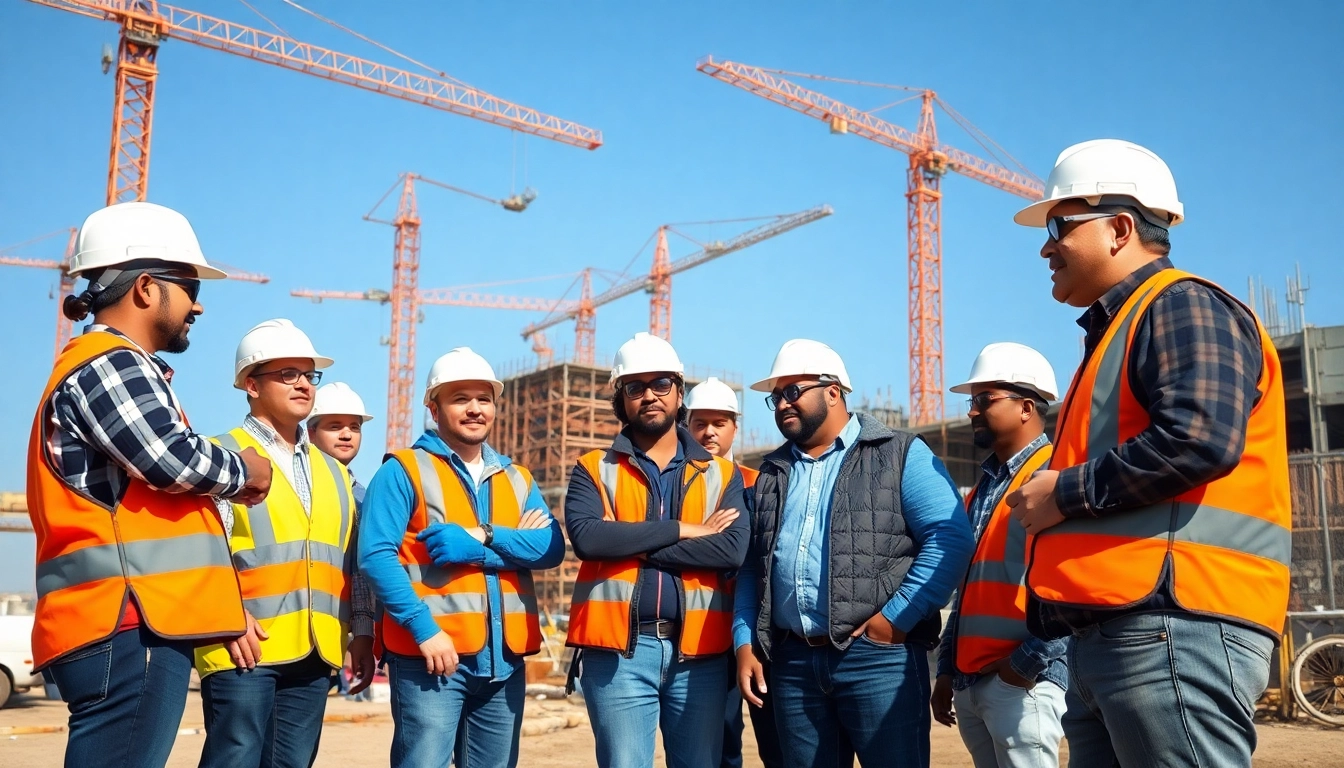
Understanding Construction Safety Training
Construction sites are inherently hazardous, which makes construction safety training an absolute necessity. This type of training provides workers with the skills and knowledge required to recognize potential hazards and minimize risks while working on-site. The goal is to ensure that every individual returns home safely, contributing to a healthier workforce and a more efficient construction operation.
Importance of Safety in the Construction Industry
The construction industry is one of the most dangerous sectors, with high rates of injuries and fatalities. Implementing effective safety training not only contributes to the well-being of workers but also enhances productivity and compliance with regulatory laws. A strong safety culture can lead to reduced accident rates and lower insurance costs, ultimately benefiting the bottom line.
Moreover, when workers feel safe, their morale, motivation, and overall productivity improve. Understanding the importance of safety is crucial for all team members, from laborers to site managers, fostering a shared commitment to maintaining a safe environment.
Key Components of Effective Training Programs
Effective training programs integrate several key components:
- Comprehensive Curriculum: The training should cover a range of topics, including hazard identification, the use of personal protective equipment (PPE), and emergency response procedures.
- Hands-On Training: Practical demonstrations of safety equipment and techniques help reinforce learning and prepare workers for real-life scenarios.
- Continuous Learning: Safety standards change frequently; ongoing education ensures that workers stay updated on the latest regulations and best practices.
- Qualified Instructors: Trainers should have relevant experience and certifications to effectively convey knowledge and foster engagement.
- Assessment and Feedback: Regular evaluations should be conducted to assess knowledge retention and areas needing improvement.
Regulatory Requirements for Construction Safety Training
The Occupational Safety and Health Administration (OSHA) establishes safety standards that mandate specific training for various construction roles. Understanding these regulations is critical for compliance and avoiding fines. Training must be tailored to address the unique risks associated with different tasks, such as scaffolding, electrical work, and hazardous materials.
Employers must provide accessible training materials and should maintain records of all training conducted to demonstrate compliance during OSHA inspections.
Types of Construction Safety Training
OSHA-Certified Training Programs
OSHA-certified programs are essential for exposing workers to the basic principles of safety on construction sites. These courses are developed following strict safety protocols and often result in a certification that proves the worker’s understanding of safety regulations.
Participants learn about their rights under OSHA, recognizing hazards and how to report them. Without a solid understanding of these fundamentals, workers may unknowingly endanger themselves and others.
Job-Specific Safety Training
Every construction job entails unique risks, and job-specific training tailors safety education to the specific tasks workers will be performing. For example, someone working with heavy machinery will require different training compared to someone handling toxic substances.
This type of training enhances awareness and skills, promoting a safer work environment. Organizations should regularly assess job roles and update training programs as equipment and processes evolve.
Leadership and Management Safety Training
Management personnel play a crucial role in fostering a safety culture on construction sites. Leadership training focuses on equipping managers and supervisors to promote safety effectively, ensuring that protocols are followed, and establishing accountability within crews.
This training helps leaders recognize their responsibilities and encourages them to lead by example, thereby influencing the attitudes and behaviors of their team members.
Best Practices for Delivering Construction Safety Training
Engaging Training Methods and Tools
To ensure that training is relevant and memorable, trainers must adopt engaging methods. Incorporating multimedia resources, hands-on practice, and real-life case studies can make learning more relatable. Interactive sessions, such as role-playing or group discussions, foster a collaborative learning atmosphere.
Additionally, trainers can utilize mobile applications and online platforms for ongoing education, allowing workers to access safety information at their convenience.
Role of Technology in Training Delivery
Technology’s integration into safety training has proven beneficial. Virtual reality (VR) simulations allow workers to experience realistic construction scenarios without real-world risks. VR training can lead to better retention rates and a deeper understanding of safety procedures.
Furthermore, e-learning platforms enable immediate updates to training materials, reflecting the latest regulations and hazardous conditions. This flexibility is essential in a rapidly changing construction environment.
Assessing Understanding and Retention
To measure the effectiveness of training programs, assessments such as quizzes, hands-on demonstrations, and scenario-based evaluations are vital. Regular follow-ups and refresher courses can help ensure that workers retain safety information over time.
Employers should encourage feedback during and after training sessions to identify areas needing improvement and adapt training methods accordingly.
Common Challenges in Construction Safety Training
Overcoming Resistance to Training Programs
Resistance to safety training can stem from a lack of understanding of its importance or perceived time constraints. Communicating the direct benefits, such as fewer accidents and better job performance, can help mitigate opposition. Leadership should actively promote a culture of safety, encouraging participation and demonstrating commitment.
Addressing Language and Cultural Barriers
Diverse work groups often include individuals from various backgrounds and languages. Tailoring training to be inclusive helps address language barriers. Employing bilingual trainers, providing materials in multiple languages, and utilizing visuals can ensure everyone comprehends the training content.
Incorporating cultural sensitivity into training programs also fosters inclusivity, encouraging all workers to engage without feeling alienated.
Ensuring Consistent Training Updates and Resources
With changing regulations and evolving technologies, it’s crucial that training programs are regularly reviewed and updated. Assigning a dedicated safety officer or committee can facilitate ongoing evaluations of training materials, ensuring alignment with current safety practices.
Consistency in training delivery across projects also equates to better safety outcomes. All workers should receive the same foundational training regardless of where they work within the organization.
Measuring the Impact of Construction Safety Training
Key Performance Indicators for Safety Training
Companies can gauge the effectiveness of their safety training programs through metrics such as:
- Incident rates: Tracking accidents before and after training can reveal the program’s impact.
- Near-miss reports: Monitoring near-miss incidents increases understanding of potential hazards.
- Training completion rates: High completion rates indicate good engagement and commitment to safety.
- Employee surveys: Gathering employee feedback provides insight into perceived safety culture and suggests areas for improvement.
Evaluating Training Effectiveness Through Surveys
Implementing pre- and post-training surveys helps assess the learning journey. These surveys can reveal specific knowledge gained and areas where training may fall short. The data collected should be analyzed to adapt future training sessions to effectively meet the needs of the workforce.
Long-Term Benefits of Proper Training Implementation
Investing in comprehensive construction safety training yields significant long-term benefits. A well-trained workforce is less likely to encounter accidents and injuries, leading to decreased operational costs, fewer legal liabilities, and reduced turnover rates. Furthermore, a commitment to safety can enhance a company’s reputation, attracting higher-quality workers and clients who value safe working conditions.
Frequently Asked Questions
1. What is construction safety training?
Construction safety training equips workers with the knowledge and skills to identify and mitigate hazards on construction sites, ensuring their safety and compliance with regulations.
2. Why is OSHA certification important?
OSHA certification ensures that workers understand safety protocols mandated by government regulations, promoting a safer workplace and reducing the risk of accidents and injuries.
3. How often should safety training be updated?
Safety training should be updated regularly, ideally annually or whenever there are significant changes in regulations, equipment, or work processes.
4. What are the benefits of job-specific safety training?
Job-specific safety training enhances awareness of unique risks, improves skills relevant to specific roles, and fosters a safer work environment tailored to particular tasks.
5. How can employers assess training effectiveness?
Employers can assess effectiveness by tracking incident rates, administering pre- and post-training surveys, and gathering feedback from employees to identify areas of improvement.