Understanding Railroad Maintenance
Definition and Importance of Railroad Maintenance
Railroad maintenance encompasses the information, activities, and processes aimed at ensuring the safety, reliability, and efficiency of rail operations. This crucial sector of rail transport is not only about the upkeep of tracks but also involves the monitoring and maintenance of equipment, signaling systems, and other infrastructure components. Effective Railroad Maintenance is vital for preventing accidents, reducing downtime, and optimizing the overall performance of railway systems.
Key Components of Railroad Maintenance
The primary components of railroad maintenance can be categorized into several key areas:
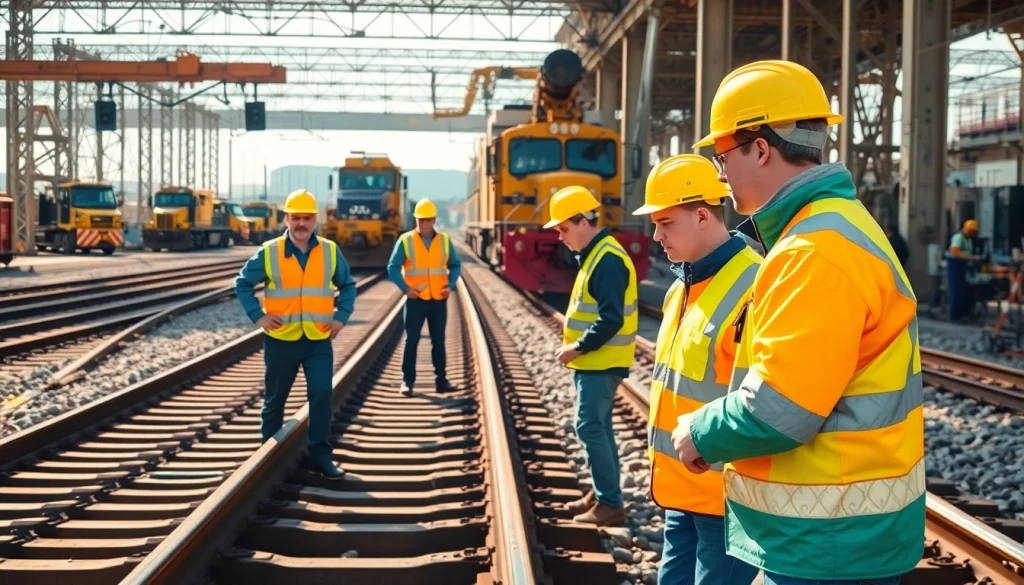
- Track Maintenance: This involves regular inspections, repairs, and replacements of the railway tracks including rail, ties, and ballast, ensuring that they can safely support train operations.
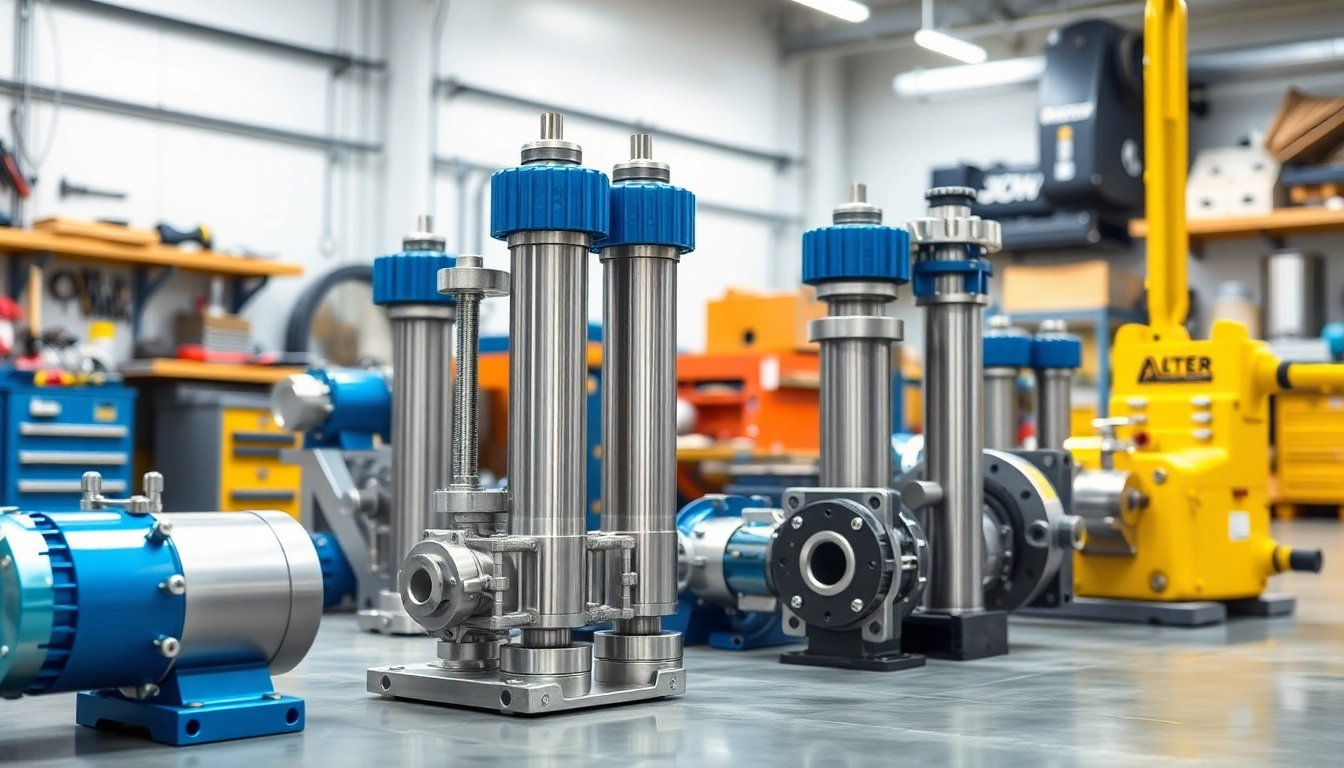
- Equipment Maintenance: Maintenance extends to locomotives, freight cars, and maintenance-of-way equipment. Regular servicing helps in identifying mechanical failures before they lead to operational disruptions.
- Signal and Communications Maintenance: This maintenance ensures that signaling systems function effectively to maintain safe train movements. It includes the upkeep of lights, switches, and control systems.
- Infrastructure Maintenance: Beyond the tracks, maintaining the infrastructure such as bridges, tunnels, and stations is crucial to the overall safety and efficiency of rail operations.
Regulatory Standards in Railroad Maintenance
Railroad maintenance is governed by stringent regulations that vary by country but often include requirements from federal agencies. In the United States, the Federal Railroad Administration (FRA) sets standards aimed at ensuring safe railway operations. Compliance with these regulations not only helps in maintaining safety but also avoids costly fines and penalties associated with non-compliance.
Common Challenges in Railroad Maintenance
Identifying Track and Equipment Issues
One of the most significant challenges in railroad maintenance is the early identification of potential track and equipment issues. The partially hidden nature of such problems means that they can often go unnoticed until they lead to catastrophic failures. Rail operators employ a variety of methods, such as ultrasonic testing and ground-penetrating radar, to locate these faults proactively.
Weather Impacts on Railroad Maintenance
Weather can have a profound impact on railroad operations. Extreme temperatures can cause rail expansion or contraction, leading to misalignments or failures. Additionally, heavy rainfall can erode track beds, while snow and ice can obstruct movements. Railway maintenance teams must be equipped with seasonal strategies and tools to mitigate these impacts.
Budget Constraints and Resource Allocation
Budget constraints present a pervasive challenge for railroad maintenance departments. Limited funding can result in deferred maintenance, leading to increased operational risks and longer-term costs. Prioritization is key; maintenance teams must strategically allocate resources based on the most critical areas needing attention, often employing data analytics to determine where investment will yield the greatest benefit.
Best Practices for Railroad Maintenance
Regular Inspections and Monitoring
Implementing a regime of regular inspections is vital for effective railroad maintenance. These inspections can be routine or due to specific concerns that may arise between scheduled reviews. Technicians should perform visual checks along with the use of advanced technologies such as drones and automated inspection vehicles to cover more ground and collect data efficiently.
Utilizing Advanced Technologies
The incorporation of advanced technologies is transforming how railroad maintenance is conducted. Predictive maintenance using Internet of Things (IoT) sensors allows for real-time data collection, enabling teams to make quick, informed decisions. Technologies such as Machine Learning can analyze historical maintenance data to predict future failures, thereby enhancing proactive measures.
Training and Safety Protocols for Maintenance Teams
A well-trained maintenance workforce is crucial for ensuring effective railroad operations. Safety protocols and continuous training programs should be mandatory, emphasizing risk assessment and response strategies. Routine drills can also prepare teams for emergencies, ensuring that the workforce is not only capable but also confident in their skills.
Case Studies of Successful Railroad Maintenance
Innovative Approaches Adopted by Railways
Numerous railways around the world have adopted innovative maintenance approaches that have yielded impressive results. For example, several organizations are now utilizing predictive analytics, which significantly reduces downtime by foreseeing potential issues before they escalate into more serious problems. These innovations have set benchmarks in safety and operational efficiency.
Comparative Analysis of Maintenance Efficiencies
A comparative analysis between traditional and modern maintenance practices reveals substantial efficiencies gained through the application of technology. Studies indicate that railroads employing automated systems for inspections experience reduced labor costs and improved accuracy in fault detection. This analysis highlights the value of investing in modern maintenance tools.
Lessons Learned from Maintenance Challenges
Every maintenance challenge presents an opportunity for growth and improvement. By analyzing incidents where maintenance failed, organizations can identify patterns and adjust their strategies to prevent recurrence. For instance, lessons learned from a major derailment led several railroads to improve their inspection processes, ultimately reducing similar incidents in the future.
Future Trends in Railroad Maintenance
Sustainability Practices in Railroad Maintenance
As environmental concerns become increasingly pressing, sustainability practices in railroad maintenance are gaining prominence. Railways are exploring eco-friendly materials for track construction and repair, as well as implementing energy-efficient technologies in their maintenance operations. Overall, sustainability not only benefits the planet but can lead to long-term operational savings.
Impact of Automation on Railroad Maintenance
Automation is set to redefine the landscape of railroad maintenance. With the integration of robotics and remote monitoring systems, the role of human operators is evolving to focus more on oversight and decision-making rather than manual labor. As this trend continues, it’s likely to improve efficiency, safety, and maximize resource allocation.
Emerging Technologies Shaping Railroad Maintenance
Emerging technologies such as AI, Big Data, and smart sensors are at the forefront of transforming railroad maintenance. These technologies promise enhanced data analytics capabilities, leading to more responsive maintenance strategies. By capitalizing on these advancements, railroads can streamline operations while ensuring higher safety and reliability standards.
FAQs About Railroad Maintenance
What is the purpose of railroad maintenance?
Railroad maintenance aims to ensure the safety, reliability, and efficiency of train operations by keeping tracks, rolling stock, and equipment in optimal condition.
How often should railroad maintenance occur?
Regular inspections are essential, with track maintenance typically occurring several times a year as per regulatory standards, supplemented by ongoing monitoring.
What are the main challenges in railroad maintenance?
Key challenges include identifying hidden track defects, the impact of weather, budget constraints, and resource allocation for maintenance operations.
How can technology improve railroad maintenance?
Technologies like predictive analytics and IoT sensors can enhance monitoring, enabling proactive maintenance and reducing the likelihood of equipment failure.
What is the role of training in railroad maintenance?
Training ensures maintenance teams are knowledgeable about safety protocols and updated technologies, which is crucial for maintaining safety and operational efficiency.