Understanding Types of Refrigerators
Choosing the right Refrigerator can significantly enhance your kitchen’s functionality and efficiency. With a variety of options to consider, each type of refrigerator serves different needs and preferences. Understanding the distinct characteristics of each style will aid you in making an informed decision for your home.
Top-Freezer Refrigerator
The top-freezer refrigerator design is a classic layout. It features a fresh food compartment at eye level and a freezer section above it. This arrangement makes it convenient for most users, who access their frequently used items without bending down. Typically, top-freezer refrigerators offer a good balance of storage capacity and energy efficiency, making them suitable for family use.
French-Door Refrigerator
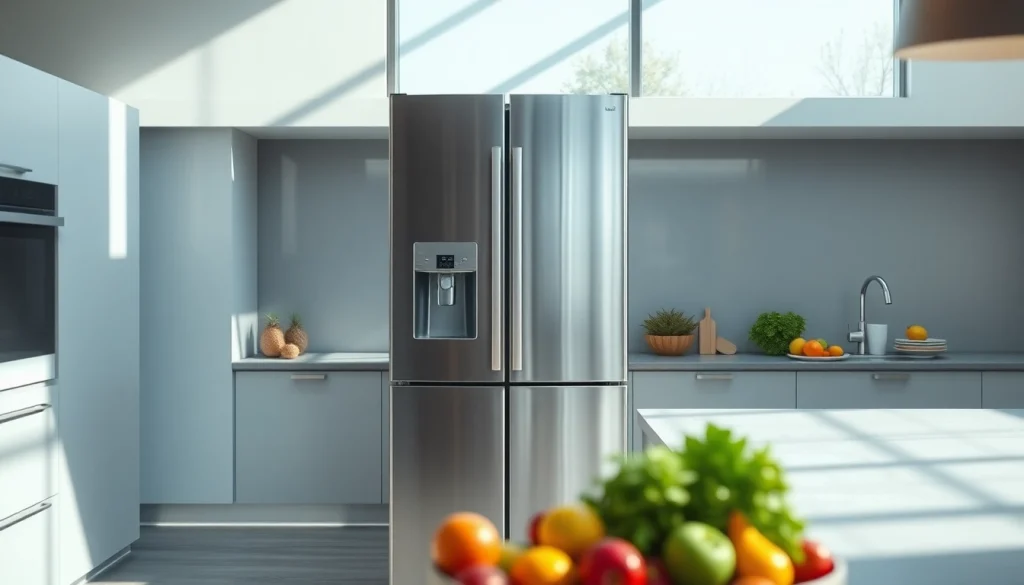
French-door refrigerators are celebrated for their modern, stylish look and spacious interiors. They typically feature two side-by-side doors that open to reveal the refrigerator section, with a freezer drawer located below. This design allows for efficient organization and easy access to food items. Additionally, many models come equipped with advanced features like water and ice dispensers, humidity-controlled crispers, and adjustable shelving, making them a popular choice among those who fancy convenience and aesthetics in their kitchen.
Side-by-Side Refrigerator
Side-by-side refrigerators feature two vertical compartments: one for refrigeration and one for freezing. The doors open outwards to provide easy access to both sections, making it simpler to store larger items. This type complements narrow kitchen spaces well, offering more accessibility and various storage options. Side-by-side models often have smart technology integrated, providing features like temperature control and monitoring.
Key Features to Consider
When shopping for a refrigerator, it’s essential to assess features that enhance performance, efficiency, and usability. The right combination of features can make a significant difference in your overall satisfaction with the appliance.
Energy Efficiency Ratings
Energy efficiency should be a priority when choosing your refrigerator. Look for models with Energy Star certification, which guarantees that the unit meets energy-saving standards set by the U.S. Environmental Protection Agency. Energy-efficient refrigerators help reduce energy consumption, leading to lower utility bills and a decreased carbon footprint over time. Pay attention to the estimated cost of operation mentioned in the specifications to evaluate long-term savings.
Size and Capacity
The size of the refrigerator is crucial, as it should fit within your kitchen space while also accommodating your storage needs. Measure the area where you plan to install the refrigerator, accounting for door swings, ventilation space, and any nearby cabinetry. Additionally, consider your household size and typical food storage habits. Refrigerators come in various capacities, typically measured in cubic feet, so choose one that will meet your food storage requirements, whether that’s for a single person or a large family.
Storage Solutions and Organization
Effective organization helps maximize storage capacity and ensures easy access to your food items. Look for units that offer adjustable shelves, door bins, and dedicated compartments for produce, dairy, and meats. Features such as split shelves that can slide out, removable bins, and easy-slide drawers also enhance accessibility. Well-designed storage solutions not only help you keep items organized but also keep food fresher for longer.
Maintenance Tips for Longevity
A refrigerator’s longevity and efficiency depend greatly on proper maintenance. Regular care helps prevent issues and ensures optimal performance.
Cleaning Your Refrigerator Regularly
Giving your refrigerator a thorough cleaning every few months is essential for hygiene and efficiency. Start by unplugging the unit and emptying its contents. Wipe down all surfaces with a mixture of soap and water, then dry them with a clean cloth. Remove and clean trays and bins, disinfecting them as needed. Keep the coils on the back of the fridge clean and dust-free to ensure efficient heat dispersion. Regular cleaning prevents odors and helps the appliance function effectively.
Temperature Settings and Adjustments
Maintain the ideal temperature settings to ensure food safety and appliance efficiency. The Food and Drug Administration recommends keeping the refrigerator temperature at or below 40°F (4°C) and the freezer at 0°F (-18°C). Use an appliance thermometer to monitor temperatures accurately. If you notice fluctuations, adjust the settings accordingly, keeping in mind that frequent door openings can lead to temporary changes in the internal climate.
Checking and Replacing Filters
If your refrigerator comes with a water filter, checking and replacing it according to the manufacturer’s guidelines is crucial. Most filters should be replaced every six months, but check the model’s instructions for specifics. Using a clean filter ensures that you have fresh, clean water and ice, ultimately protecting your health and improving the taste of your beverages.
Common Refrigerator Problems and Solutions
Having knowledge of common refrigerator problems and recommended solutions can save you time and money when maintaining your appliance.
Frost Build-Up Issues
Frost build-up is a common issue in many refrigerators, especially in freezer sections. This problem can occur due to humidity or improper sealing of the doors. If frost is present, defrosting the unit and checking the door seals may be necessary. Ensure the door shuts securely and replace any faulty seals to prevent moisture from entering, leading to frost accumulation.
Noisy Operation Troubles
If your refrigerator suddenly becomes noisy, it may be an indication of an internal issue. Common sources of noise include the compressor, evaporator fan, or condenser fan. If the noise level increases significantly, check for any obstructions, clean the coils, and ensure that the appliance is level. If the problem persists, it may be best to consult a professional technician.
Cooling Problems and Quick Fixes
Cooling problems can arise from various issues, including malfunctioning thermostats or blocked vents. Start troubleshooting by ensuring the temperature settings are correct. If the problem continues, check for obstructions around the vents, clean the condenser coils, and ensure the unit is properly sealed. Should these steps not resolve the issue, contacting a technician for further assistance is advisable.
Making the Right Purchase Decision
Choosing the right refrigerator involves more than just selecting a style and size; it includes financial considerations and an understanding of product longevity.
Budgeting for Your Refrigerator
Establishing a budget is crucial when selecting a refrigerator. Consider the initial cost, installation fees if applicable, and operational costs over time, as energy-efficient models typically offer savings on monthly utility bills. Researching various options helps ensure you find a unit that meets your financial limits while fulfilling your needs.
Where to Buy Appliances
Refrigerators can be purchased from a variety of outlets, including big-box retailers, specialty appliance stores, and online marketplaces. Do your research to compare prices and models, ensuring that you read customer reviews and check for warranty details when selecting a point of purchase. This knowledgeable approach can lead to a better shopping experience and a satisfactory purchase.
Understanding Warranties and Repairs
Comprehending the warranty details associated with your refrigerator is essential for managing potential repairs. Most manufacturers provide a limited warranty, which covers specific parts for a set period. Be sure to read the warranty carefully, knowing what is included and any potential exclusions, to effectively plan for maintenance and repairs as required. It’s also beneficial to consider an extended warranty for added peace of mind.
FAQs
What is the ideal temperature for a refrigerator?
The ideal refrigerator temperature is 40°F (4°C) or below to keep food fresh and safe. The freezer should be at 0°F (-18°C).
How often should I clean my refrigerator?
You should clean your refrigerator every three to four months. Regular cleaning helps maintain hygiene and efficiency.
What should I do if my refrigerator is making noise?
If you notice excessive noise, check for obstructions around the fan, ensure the appliance is level, and clean the condenser coils. If the noise persists, consult a technician.
Can I fix cooling problems myself?
Yes, first check the temperature settings, clean the condenser coils, and ensure vents are unobstructed. If issues continue, it’s wise to call a professional.
How do I know if my refrigerator is energy-efficient?
Look for models with Energy Star certification. These meet strict energy efficiency guidelines, resulting in lower utility bills.