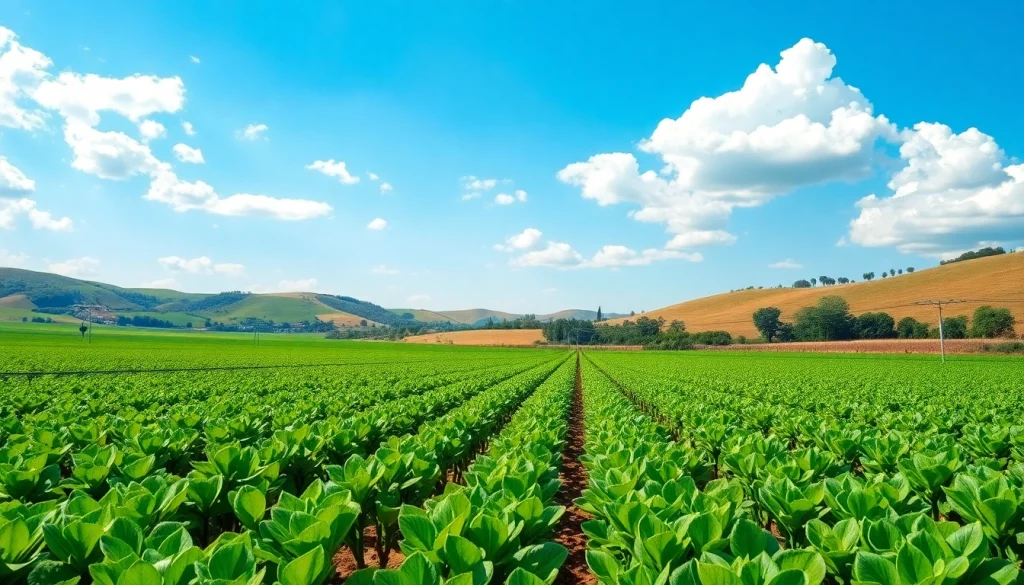
Understanding Land Irrigation
What is Land Irrigation?
Land irrigation is a method used in agriculture to supply water to crops through various techniques. It involves the controlled application of water to soil, optimizing plant growth and maximizing agricultural output. By ensuring the soil has sufficient moisture, farmers can grow crops in regions with varying climatic conditions, enhancing food stability and productivity. Particularly in areas suffering from natural water scarcity, land irrigation plays a pivotal role in determining agricultural practices and outcomes.
Importance of Land Irrigation in Agriculture
The significance of land irrigation in agriculture cannot be understated. It is fundamentally linked to the growth, development, and yield of crops. In regions where rainfall is unpredictable or insufficient, dependable irrigation methods supply a consistent water source, reducing the risks of crop failure caused by droughts. Moreover, irrigation also allows for the cultivation of historically arid lands, increasing the overall agricultural area and thus contributing to food security. It supports not just crop yield but also diversification, enabling farmers to grow a variety of products throughout the year.
Types of Land Irrigation Methods
Understanding varied land irrigation methods is essential for optimizing agricultural practices. The main types include:
- Surface Irrigation: This method relies on gravity to distribute water across the field surface. It is cost-effective and commonly used in farming.
- Drip Irrigation: This technique delivers water directly to the plant roots through a system of pipes and emitters, ensuring minimal waste and high efficiency.
- Sprinkler Irrigation: Mimicking natural rainfall, water is sprayed over crops, making it suitable for uneven terrains and various types of soil.
- Subsurface Irrigation: Tubing placed below the soil line provides moisture directly to the root zone while reducing evaporation and weed competition.
Benefits of Land Irrigation
Improved Crop Yields
A key advantage of land irrigation is the significant improvement in crop yields. By providing plants with a steady water supply, they can achieve optimal growth and development, directly impacting productivity. Studies show that farms utilizing advanced irrigation techniques often report yield increases ranging from 20% to 50% compared to rain-fed agriculture. This boost not only assures better harvests but also enhances the overall economic viability of farming operations.
Water Conservation Techniques
Modern irrigation practices incorporate water conservation methods that reduce wastage. Techniques such as drip irrigation and scheduling not only use water more efficiently but also help conserve precious water resources. By minimizing runoff and evaporation losses associated with traditional methods, farmers can sustain their water supply while boosting productivity. Implementing rainwater harvesting and utilizing organic amendments also contribute to water conservation efforts within agricultural systems.
Economic Advantages of Efficient Land Irrigation
Efficient land irrigation practices offer substantial economic benefits to farmers. These systems can lead to reduced operational costs associated with water procurement and distribution, while also boosting crop yields and quality. Furthermore, in regions where agriculture is a key part of the local economy, improving irrigation efficiency can have far-reaching benefits, including increased employment opportunities and enhanced local food production, which reduces the dependency on external food sources.
Challenges in Implementing Land Irrigation
Infrastructure Requirements
The establishment of an effective land irrigation system requires a robust infrastructure, which can be a significant barrier for many farmers, especially in developing regions. Investments in pumps, pipes, reservoirs, and filtration systems are often substantial. Additionally, ongoing maintenance costs pose challenges, necessitating regular assessments and updates to existing irrigation systems to mitigate breakdown or inefficiencies.
Environmental Impacts
While irrigation is essential, it presents several environmental challenges. Over-usage of water can lead to depletion of local water sources and adverse ecological impacts, such as the destruction of natural habitats. Furthermore, mismanaged irrigation often contributes to salinization of soil and depletion of groundwater resources, undermining long-term agricultural sustainability and soil health.
Cost Considerations
Investing in advanced irrigation technologies can be prohibitive for some farmers, particularly in low-income regions. The initial costs associated with installing high-efficiency systems, although typically recouped over time through savings on water and energy, can deter many from upgrading their current practices. Additionally, the cost of training farmers to effectively implement these systems adds another layer of economic challenges.
Best Practices for Effective Land Irrigation
Soil Moisture Management
Understanding and managing soil moisture is critical for effective land irrigation. Farmers should conduct regular soil moisture testing to determine the timing and quantity of irrigation needed. This ensures that crops receive sufficient water without causing waterlogging or stress. Incorporating organic mulches can also help retain soil moisture and regulate temperature, further enhancing moisture management.
Scheduling Techniques
Implementing precise irrigation scheduling enhances water efficiency and boosts crop health. Using tools such as soil moisture sensors or weather-based irrigation controllers helps farmers apply water when it’s most needed. Moreover, accounting for various crop growth stages ensures each plant receives adequate water throughout its lifecycle, optimizing resource utilization and enhancing yield potential.
Utilizing Technology in Land Irrigation
The integration of technology in land irrigation is revolutionizing agricultural practices. Smart irrigation systems that employ IoT devices can provide real-time data on soil moisture, weather conditions, and plant requirements. This data empowers farmers to make informed decisions, adjust irrigation schedules, and conserve water. Additionally, precision agriculture techniques contribute to more effective resource allocation, often translating to improved yield sustainability.
Future Trends in Land Irrigation
Innovations in Irrigation Systems
Continuous innovation in irrigation technology is changing the landscape of agricultural productivity. New developments, such as automated irrigation systems, use remote sensing and AI analytics to optimize water distribution. These systems reduce labor costs, increase precision, and aim for sustainable water use, essential for adapting to climate change challenges.
Sustainable Practices
The push for sustainability in agricultural practices is leading to the adoption of eco-friendly irrigation methods. Scheduling techniques that align irrigation with rainfall patterns and adopting rainwater harvesting systems are becoming increasingly popular. Farmers are exploring integrated practices, such as agroforestry and cover cropping, that work in tandem with efficient irrigation to enhance soil health and ecological balance.
Policy and Economic Support for Land Irrigation Development
Government support plays a crucial role in advancing land irrigation practices. Policies that promote sustainable water management, funding programs for infrastructure development, and training for farmers can enhance the implementation of innovative irrigation technologies. Economic incentives for adopting efficient irrigation systems can help offset initial costs and encourage widespread adoption among farmers.
FAQs
1. What are the most common types of land irrigation?
The most common types include surface irrigation, drip irrigation, and sprinkler irrigation, each suited to different agricultural needs.
2. How does land irrigation impact crop yield?
Land irrigation enhances crop yield by ensuring consistent and adequate water supply, essential for plant growth.
3. What are the environmental concerns with land irrigation?
Potential concerns include water overuse, salinization of soil, and potential impacts on local ecosystems.
4. How can farmers reduce costs in land irrigation?
Farmers can reduce costs by utilizing efficient irrigation technologies and practicing water conservation techniques.
5. What future innovations are emerging in land irrigation?
Future innovations include smart irrigation systems using IoT technology to optimize water usage through sensor data.