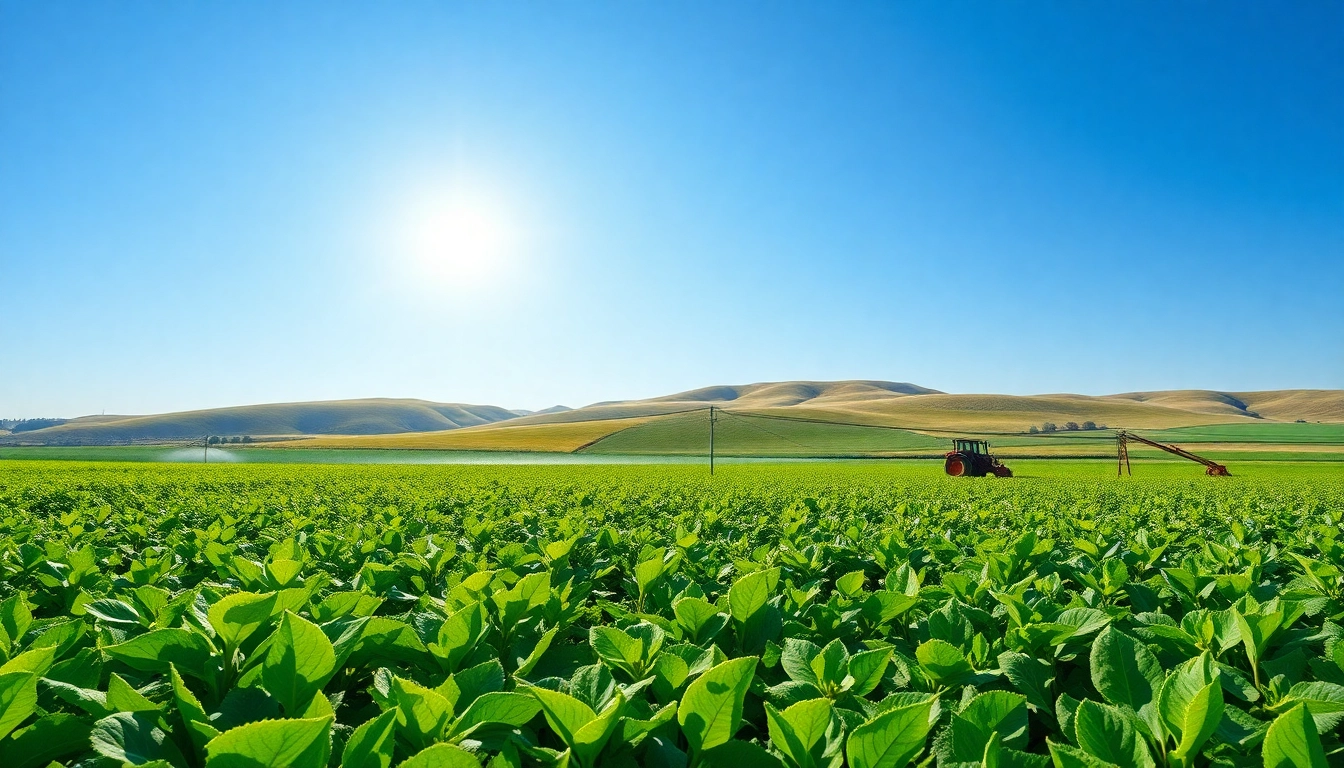
Understanding Land Irrigation Fundamentals
Land irrigation is a critical component of modern agriculture, enabling farmers to enhance crop yields and manage water resources more effectively. With the increasing challenges posed by climate change and population growth, the need for innovative land irrigation solutions has never been more pressing. Understanding the fundamental concepts of land irrigation can help farmers make informed decisions that align with both environmental sustainability and productivity. This article delves into the key aspects of land irrigation, offering comprehensive insights, practical techniques, and best practices for maximizing agricultural success. Whether you’re a seasoned farmer or a beginner looking to explore better irrigation options, this guide provides valuable knowledge to elevate your irrigation strategies. For more insights on land irrigation, read on.
The Importance of Land Irrigation
Land irrigation plays a vital role in agriculture, particularly in arid and semi-arid regions where rainfall is insufficient to meet the needs of crops. By providing a reliable water source, irrigation mitigates the risk of drought, enhances soil moisture retention, and supports crop growth throughout various development stages. Effective irrigation systems can also lead to increased crop diversity and improved food security, which are essential for feeding the growing global population. In addition to these benefits, land irrigation can increase farmers’ income by boosting crop productivity and allowing for more lucrative cash crops.
Types of Land Irrigation Systems
Various land irrigation systems are employed based on factors such as crop type, climate, and available resources. The primary types include:
- Surface Irrigation: Utilizes gravity to distribute water across fields. Common methods include furrow, basin, and flood irrigation.
- Drip Irrigation: A highly efficient system that delivers water directly to plant roots through a network of tubes and emitters, minimizing evaporation and runoff.
- Sprinkler Irrigation: Employs overhead spray or rotary systems to distribute water over crops, mimicking natural rainfall.
- Subsurface Irrigation: Involves buried pipes that deliver water below the ground surface, reducing evaporation losses and improving water efficiency.
Each irrigation system has its unique advantages and challenges, which should be considered when selecting the most suitable option for a given agricultural operation.
Key Components of Effective Irrigation
To achieve optimal results from a land irrigation system, it is crucial to understand its key components, which include:
- Water Source: The sustainability and quality of water, whether from rivers, lakes, or groundwater, significantly affect irrigation efficiency.
- Distribution System: This includes pipelines, pumps, and filtration units essential for moving water from the source to the fields.
- Control Valves: These regulate water flow and pressure, ensuring that crops receive adequate moisture without waste.
- Automation Technology: Implementing smart systems that allow for remote monitoring and control can improve efficiency and responsiveness to changing environmental conditions.
Evaluating Soil Types for Land Irrigation
Soil plays a fundamental role in determining the effectiveness of land irrigation practices. Understanding soil characteristics, such as texture, structure, and moisture retention capacity, can significantly influence irrigation strategies.
How Soil Composition Affects Irrigation
Soil composition directly impacts water availability and retention. Different soil types, such as sandy, clayey, and loamy soils, possess varying drainage capabilities:
- Sandy Soils: While they drain quickly and prevent waterlogging, they often require more frequent irrigation due to rapid moisture loss.
- Clay Soils: These hold water effectively but may become waterlogged, requiring careful management to prevent root diseases.
- Loamy Soils: A mixture of sand, silt, and clay that provides an ideal balance for moisture retention and drainage, making it suitable for a broad range of crops.
Testing Soil Moisture Levels
Regular soil moisture testing is essential for efficient irrigation management. Techniques include:
- Soil Moisture Sensors: Devices that provide real-time data on moisture levels, helping farmers make informed irrigation decisions.
- Traditional Methods: Tools such as the hand feel test, where farmers assess soil moisture by touch, can also be effective for quick evaluations.
- Gravimetric Method: Involves collecting soil samples, drying them, and measuring the weight loss to determine moisture content.
Improving Soil Quality for Irrigation
Enhancing soil quality is fundamental to maximizing the benefits of land irrigation. Techniques to improve soil include:
- Adding Organic Matter: Incorporating compost, crop residues, or green manure can enhance soil structure and moisture retention.
- Employing Cover Crops: These help prevent soil erosion, improve nutrient content, and enhance overall soil health.
- Soil Amendments: Utilizing minerals or beneficial microbes can optimize soil pH and nutrient availability for crops.
Implementing Modern Land Irrigation Techniques
Advancements in technology have revolutionized land irrigation practices. By adopting modern techniques, farmers can achieve higher efficiency, lower costs, and better crop yields.
Drip vs. Sprinkler Irrigation
Both drip and sprinkler irrigation are widely used methods, each with its own benefits. Drip irrigation is highly efficient, minimizing water waste and targeting individual plant roots. Meanwhile, sprinkler systems are versatile and can cover large areas efficiently, making them suitable for diverse crop types. The choice between the two often depends on the specific agricultural landscape and crop requirements.
Using Smart Technology for Irrigation Management
Smart irrigation technology includes automated systems and IoT devices that facilitate real-time monitoring and management of irrigation. These technologies optimize water usage by adjusting irrigation schedules based on weather forecasts, soil moisture levels, and plant needs, leading to significant water savings.
Cost-Effective Solutions for Small Farms
Small farms may face budget constraints that limit access to advanced irrigation systems. However, various cost-effective solutions can enhance irrigation efficiency, such as:
- Simple Rainwater Harvesting Systems: Capturing and storing rainwater can provide an additional water source for irrigation.
- Low-Cost Drip Irrigation Kits: Tailored kits can be affordable and easily installed for effective water delivery.
- Community Irrigation Initiatives: Collaborative efforts among farmers can pool resources for shared irrigation systems, reducing costs.
Monitoring and Optimizing Irrigation Efficiency
To maintain high irrigation efficiency, constant monitoring and optimization are crucial. Implementing strategies to track water usage and assess crop responses ensures sustainable practices.
Tracking Water Usage in Land Irrigation
Having a clear understanding of water usage helps farmers make informed decisions about irrigation scheduling and system performance. Technologies like flow meters and moisture sensors provide critical data that can assist in effective resource management.
Techniques for Reducing Water Waste
Numerous strategies can help minimize water waste in land irrigation systems, such as:
- Scheduling Irrigation Times: Implementing irrigation during cooler parts of the day can reduce evaporation losses.
- Regular System Maintenance: Ensuring that irrigation systems are well-maintained helps prevent leaks and inefficiencies.
- Using Mulch: Applying mulch around crops can enhance moisture retention, reducing the need for frequent watering.
Assessing Crop Response to Irrigation
Monitoring crop response to irrigation practices is essential to ensure that water application meets plant needs. Observing factors such as growth rates and yield can help inform future irrigation strategies. Implementation of crop stress indicators can assist in determining when and how much to irrigate.
Land Irrigation Case Studies and Best Practices
Learning from successful land irrigation projects worldwide can provide valuable insights into best practices and innovative approaches to irrigation challenges.
Successful Irrigation Projects around the World
Various regions have implemented successful irrigation initiatives that showcase the effectiveness of modern techniques. Examples include:
- The Netherlands: Known for its advanced irrigation technology, the country uses precision agriculture techniques to optimize water usage.
- Israel: Pioneering drip irrigation techniques, Israel has transformed its arid landscapes into productive agricultural land.
- Australia: Implementing cutting-edge water conservation practices has enabled farmers to thrive despite challenging climatic conditions.
Integrating Sustainable Practices in Land Irrigation
Adopting sustainable practices in irrigation helps minimize environmental impacts while ensuring the long-term viability of water resources. This includes strategies such as:
- Water Recycling: Utilizing treated wastewater for irrigation can reduce reliance on potable water sources.
- Permaculture Principles: Designing agricultural systems that mimic natural ecosystems can improve water retention and reduce irrigation needs.
Common Challenges in Land Irrigation and Solutions
While effective irrigation has numerous benefits, several challenges can arise, including:
- Water Scarcity: Implementing efficient irrigation methods and water management practices can mitigate this issue.
- Pest and Disease Management: Employing integrated pest management strategies can help address crop health concerns, reducing the need for excessive irrigation that may encourage disease.
Frequently Asked Questions about Land Irrigation
What is land irrigation?
Land irrigation refers to the artificial application of water to soil or land to assist in the growth of crops and vegetation.
Why is irrigation important for agriculture?
Irrigation is crucial for agriculture as it ensures a consistent water supply, enhances crop yields, and helps manage soil moisture levels effectively.
What are the different types of irrigation systems?
The main types of irrigation systems include surface, drip, sprinkler, and subsurface irrigation, each with unique applications and benefits.
How can I improve irrigation efficiency on my farm?
To improve irrigation efficiency, consider using technologies like moisture sensors, drip irrigation systems, and smart scheduling practices.
What are common challenges in land irrigation?
Common challenges include water scarcity, soil quality issues, pest management, and infrastructure maintenance, all of which can impact irrigation effectiveness.