Understanding Assisted Pull-Up Bands
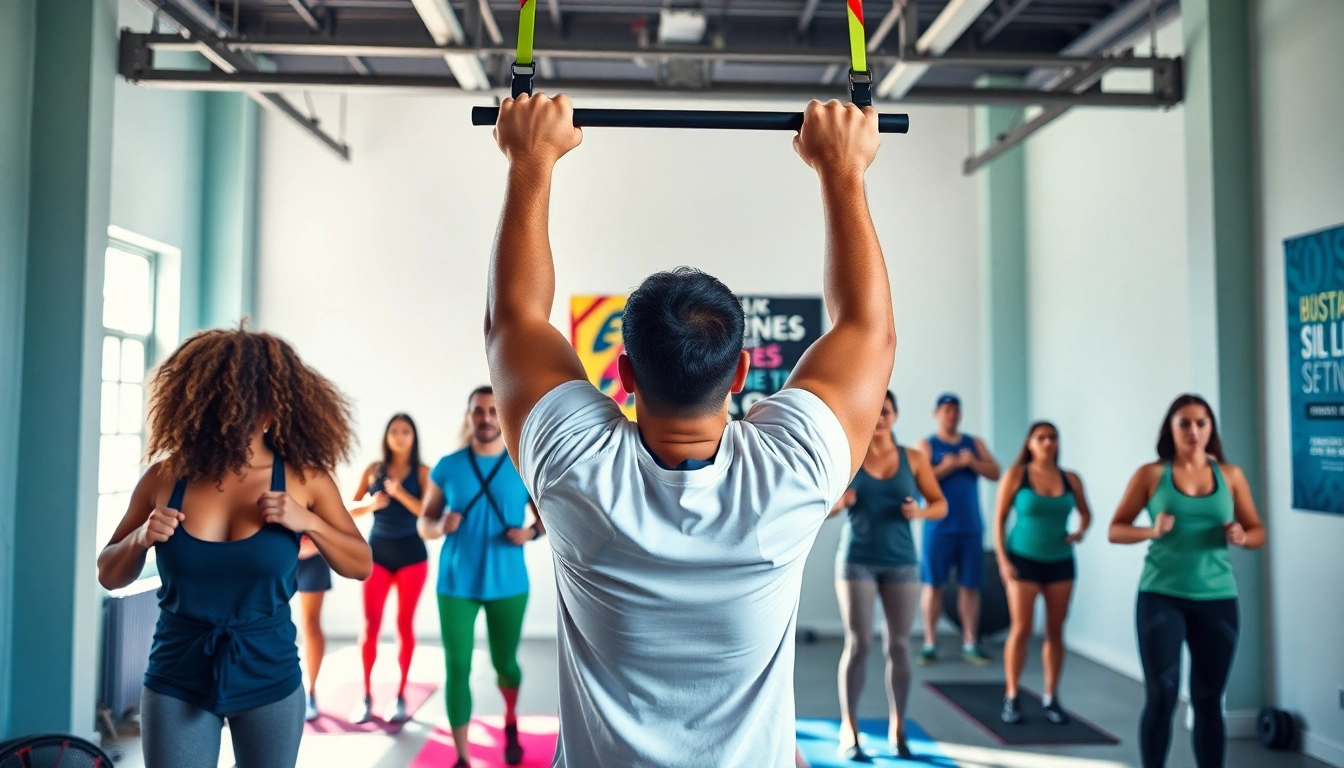
Assisted pull-up bands are a game-changer for individuals seeking to build upper body strength and achieve their fitness goals efficiently. These specialized resistance bands offer targeted support, enabling users to perform pull-ups with greater ease and confidence, regardless of their current fitness level. As you explore options, assisted pull-up bands provide comprehensive insights into how these tools can enhance your workouts.
What Are Assisted Pull-Up Bands?
Assisted pull-up bands are elastic bands that provide support to individuals performing pull-ups. They come in various resistance levels and can either be looped over a pull-up bar or used to support the knees or feet. Typically, these bands are made from durable rubber, allowing for significant stretching while maintaining their integrity. The primary purpose of assisted pull-up bands is to decrease the amount of body weight that needs to be lifted during the exercise, thereby making it accessible to beginners and those working to increase their pull-up capacity.
Benefits of Using Assisted Pull-Up Bands
Utilizing assisted pull-up bands can transform your training experience. Here are some notable benefits:
- Enhanced Strength Training: Assisted pull-ups target various muscles, including the back, shoulders, and arms, promoting overall upper body strength.
- Gradual Progression: They allow users to start with less resistance and gradually decrease assistance as they build strength, making them ideal for beginners.
- Injury Prevention: By supporting part of the body weight, these bands help prevent strain on the joints and muscles, lowering the risk of injuries.
- Flexible Usage: Assisted pull-up bands can be incorporated into various workouts, enhancing exercises like dips and chest presses.
Different Types of Assisted Pull-Up Bands
Assisted pull-up bands vary in design and resistance levels, catering to different fitness needs. Here’s a breakdown of common types:
- Loop Bands: The most common type, loop bands are circular and can be used over the pull-up bar or under your feet or knees.
- Flat Bands: These bands are longer and require the user to tie them to the bar or a sturdy anchor point for support.
- Stacked Bands: Often used in gyms, these bands can be stacked together to provide customizable resistance.
- Color-Coded Resistance: Bands typically come in different colors that indicate their resistance levels, enabling easy selection based on user strength.
Choosing the Right Assisted Pull-Up Bands
Factors to Consider When Selecting Bands
Selecting the right assisted pull-up band is crucial for maximizing your workout effectiveness. Here are key factors to consider:
- Resistance Level: Choose bands that align with your current ability and progression goals. Beginners may start with lighter resistance, gradually moving to heavier bands as strength increases.
- Length and Thickness: Depending on your height and the type of exercises you perform, bands may vary in length and thickness, impacting their elasticity and support.
- Durability: Ensure the bands are constructed from high-quality materials that can withstand repeated use without breakage.
Weight Capacities and Band Resistance
Understanding band resistance is essential for effective training. Most manufacturers provide a weight capacity for each band, and choosing the appropriate band ensures that it effectively supports your body weight. Here are some general guidelines:
- Light Bands: Typically support weights from 8-25 lbs, suitable for beginners.
- Medium Bands: Support weights of approximately 25-65 lbs, ideal for intermediate users.
- Heavy Bands: Support weights from 65-100 lbs and are suited for advanced users.
Best Brands for Assisted Pull-Up Bands in 2026
As the fitness industry evolves, several brands have gained recognition for their high-quality assisted pull-up bands. Here are the top brands to consider in 2026:
- Rogue Fitness: Known for durable and professional-grade bands, perfect for serious athletes.
- Physix Gear: Offers a variety of resistance levels suitable for beginners through advanced users.
- WOD Nation: Well-regarded for their affordable yet effective bands, making them great for home gym setups.
How to Use Assisted Pull-Up Bands Effectively
Step-by-Step Guide to Assisted Pull-Ups
To make the most out of assisted pull-up bands, follow these steps:
- Choose Your Band: Select a band that provides the right level of assistance based on your strength.
- Set Up: Loop the band around the pull-up bar or secure it under your feet or knees.
- Grip the Bar: Use an overhand grip on the bar with your hands slightly wider than shoulder-width.
- Engage Your Core: Tighten your core before beginning the pull-up.
- Pull Up: Focus on pulling your chin above the bar; the band will assist you in lifting your weight.
- Lower Down Slowly: Control your descent, keeping tension on the band to work your muscles effectively.
Common Mistakes to Avoid
While using assisted pull-up bands, avoiding common pitfalls is important. Here are mistakes to steer clear of:
- Using Too Much Assistance: Selecting a band that is too supportive can hinder strength development; choose a band that challenges you.
- Improper Form: Maintaining correct grip and body alignment is crucial for effective training and injury prevention.
- Neglecting Control: Avoid rushing the movement; focus on controlled motions to maximize muscle engagement.
Incorporating Bands into Your Workout Routine
Assisted pull-up bands can enhance various exercises. Here are some ways to integrate them into your routine:
- Supersets: Combine assisted pull-ups with other strength-training exercises for a full upper body workout.
- Warm-Up: Use bands for mobility exercises to warm up your shoulders before starting your pull-up routine.
- Supersets with Bodyweight Exercises: Pair assisted pull-ups with push-ups or dips to create a balanced workout.
Advanced Techniques with Assisted Pull-Up Bands
Combining with Other Exercises for Full-Body Workouts
To amplify the effectiveness of assisted pull-up bands, consider these advanced techniques:
- Resistance Band Squats: Incorporate banded squats to engage your lower body while performing upper body exercises.
- Core Exercises: Use the bands for planks or dead bugs, enhancing core stability alongside upper body strength training.
- Dynamic Movements: Combine assisted pull-ups with explosive movements like jump squats for a full-body workout.
Progressing to Unassisted Pull-Ups
One of the main goals of using assisted pull-up bands is to transition to unassisted pull-ups. Here’s how to progress:
- Decrease Band Assistance: Gradually switch to lighter bands as your strength improves.
- Increase Repetitions: Strive for more reps each session to build endurance and strength.
- Introduce Negatives: Practice negative pull-ups by lowering slowly to build strength in the eccentric phase of the movement.
Using Bands for Mobility and Flexibility Training
In addition to strength training, assisted pull-up bands can improve flexibility and mobility. Here’s how:
- Stretching: Utilize bands for assisted stretches, targeting the shoulders and back after workouts.
- Dynamic Warm-Ups: Include band movements in your warm-up to enhance mobility before workouts.
- Mobility Drills: Incorporate resistance bands into drills designed to enhance joint mobility, particularly in the shoulder region.
Future Trends in Assisted Pull-Up Training
Innovations in Resistance Band Technology for 2026
As technology continues to evolve, so does the development of resistance bands. In 2026, expect to see:
- Smart Bands: Bands with integrated sensors that analyze your workout data in real-time.
- Customized Resistance Options: Bands that allow users to adjust tension on-the-fly for personalized resistance levels.
- Sustainable Material Options: Increased availability of eco-friendly bands made from biodegradable materials.
Community Insights: What to Expect in the Fitness Space
The fitness community continues to thrive, and insights from various platforms reveal a growing trend toward personalization in training. Users are increasingly sharing their unique band training experiences and routines, creating a supportive environment for beginners and seasoned athletes alike.
Expert Predictions on Resistance Band Training
Experts predict that resistance band training will become increasingly popular due to its versatility and accessibility. More fitness enthusiasts will likely integrate these bands into home workouts, especially as the interest in remote training continues to rise.