
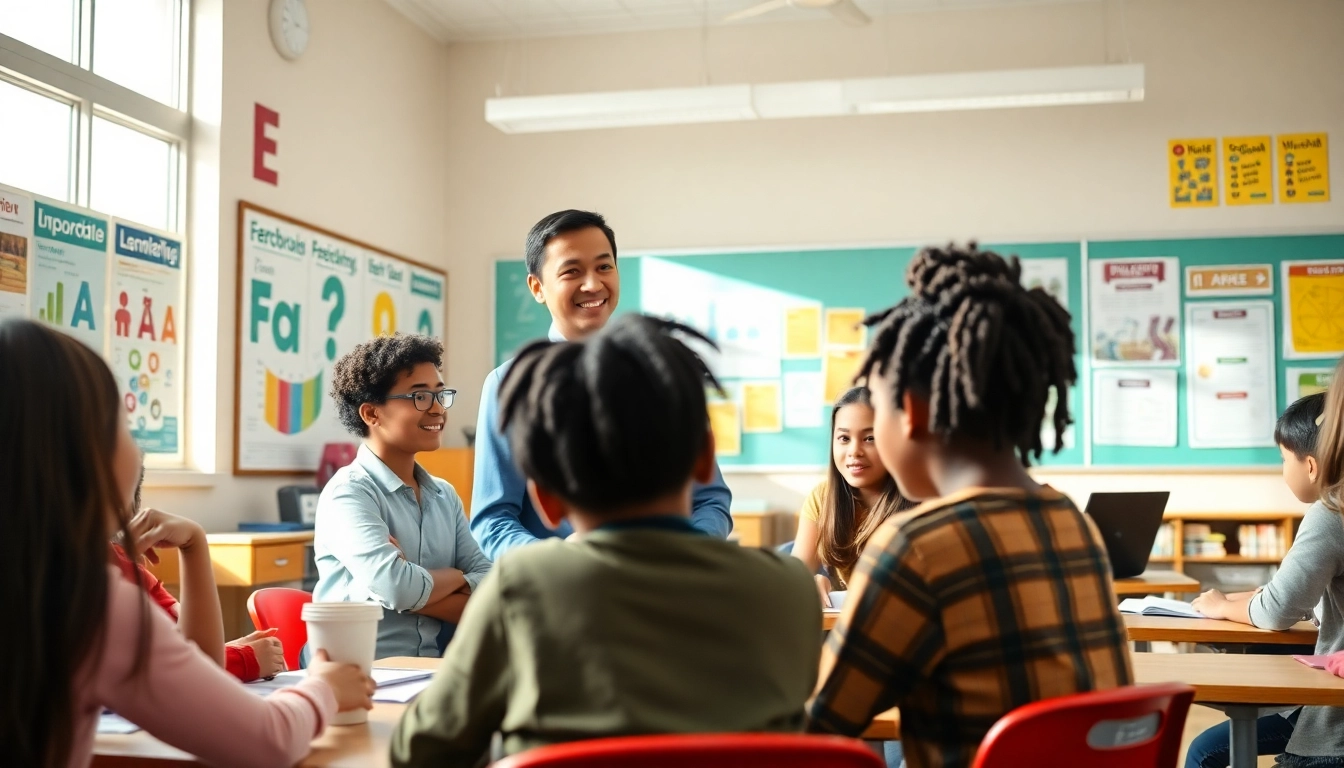
The Importance of Education in 2026
As we move further into 2026, the landscape of education continues to evolve, driven by an array of factors that underscore its crucial role in societal development. Education is no longer just about imparting knowledge; it has transformed into a multifaceted platform that promotes equity, innovation, and reform. This shift is pivotal for creating opportunities that empower marginalized communities and foster a sense of belonging and purpose among learners. The conversation around education is more critical than ever, as stakeholders from various sectors rally together to address pressing issues of accessibility and quality.
Understanding Education Equity and Access
Education equity involves ensuring that all individuals have access to quality educational resources, regardless of their socio-economic background, ethnicity, or geographical location. In 2026, the focus on education equity is paramount, with several initiatives aiming to close the achievement gap among diverse populations. For instance, schools are increasingly adopting culturally responsive teaching methods, which recognize and celebrate the diverse backgrounds of students, encouraging them to engage more deeply in their learning experiences.
Access to education also extends beyond the physical classroom. Online learning platforms and digital resources have democratized education, providing opportunities for those who may not have access to traditional learning environments. However, challenges remain, as the digital divide continues to affect low-income families disproportionately. Therefore, addressing infrastructure shortcomings and investing in technology are vital steps toward achieving true educational equity.
Current Trends Shaping Educational Reform
Educational reform in 2026 is characterized by innovative practices tailored to meet the diverse needs of learners. There is a growing trend of integrating social-emotional learning (SEL) into curricula, recognizing the importance of mental health and emotional well-being in educational settings. These programs equip students with essential life skills, such as empathy, resilience, and effective communication, which contribute to their success both academically and personally.
Moreover, the rise of personalized learning has reshaped traditional educational models. By leveraging data analytics and adaptive learning technologies, educators can customize learning experiences to suit individual student needs, thereby enhancing engagement and improving outcomes. Schools are increasingly embracing project-based learning, where students work on real-world problems, fostering critical thinking and collaboration skills that are essential in today’s workforce.
Challenges in the Education System Today
Despite the progress being made, the education system faced numerous challenges in 2026. One of the most pressing issues is the lack of adequate funding, which impacts the quality of education provided in various districts. Many schools struggle with outdated resources, insufficient training for teachers, and overcrowded classrooms, which all hinder effective learning.
Additionally, the ongoing debate over standardized testing raises questions about its effectiveness in measuring student learning and teacher performance. Critics argue that standardized tests do not portray a student’s true abilities and can perpetuate inequities among schools. As a result, many educators and policymakers are advocating for alternative assessment methods that focus on holistic evaluations of student progress.
Innovative Approaches to Education Reform
Integrating Technology in the Classroom
The integration of technology in classrooms has transformed the way students learn and interact with educational content. In 2026, educators are utilizing various digital tools and resources, from virtual reality experiences to interactive learning platforms, to engage students in new and exciting ways. This technological infusion not only enhances learning but also prepares students for a future where digital literacy is essential.
Moreover, blended learning models, which combine online and face-to-face instruction, are gaining popularity. These models allow for greater flexibility, enabling students to learn at their own pace while still benefiting from in-person support from teachers. However, it is crucial to ensure that all students have access to the necessary technology and internet connectivity to participate fully in these innovative learning environments.
Project-Based Learning and Student Engagement
Project-based learning (PBL) is another innovative approach gaining traction in 2026. This pedagogical model emphasizes hands-on, real-world projects that encourage students to explore complex questions and challenges. PBL fosters higher levels of student engagement, as learners are more likely to be motivated when working on meaningful tasks that connect to their interests and aspirations.
By collaborating on projects, students develop critical soft skills, such as teamwork, communication, and problem-solving, which are essential for success in today’s rapidly changing world. Furthermore, PBL allows for interdisciplinary learning, integrating subjects like science, math, and the arts in cohesive projects that mirror real-life scenarios.
Inclusive Practices for Diverse Learners
In light of the diverse backgrounds and abilities of learners, inclusive practices have become a cornerstone of educational reform. Schools are actively working to create environments where all students, including those with disabilities and English language learners, can thrive. This involves implementing support systems tailored to individual needs, such as specialized instruction, assistive technologies, and peer mentoring.
Creating a culture of inclusion goes hand in hand with promoting social justice in education. By addressing biases and fostering respect for all individuals, educators can cultivate a safe and supportive learning environment that empowers every student to reach their full potential.
Measuring Success in Education
Key Performance Indicators for Schools
Measuring the effectiveness of educational initiatives is crucial for continuous improvement. In 2026, schools are increasingly turning to key performance indicators (KPIs) that go beyond traditional metrics like test scores. Metrics such as student engagement, graduation rates, and post-graduation outcomes are being prioritized to provide a more comprehensive view of a school’s impact.
- Student Engagement: Engaged students are more likely to perform well academically. Monitoring engagement levels through surveys and classroom observations can help educators adjust their teaching strategies to keep students motivated.
- Graduation Rates: Tracking graduation rates can indicate the effectiveness of educational programs and interventions, helping schools identify areas for improvement.
- Post-Graduation Outcomes: Evaluating students’ success after graduation, such as college enrollment rates and job placements, provides insight into the quality of education and preparation provided by schools.
Evaluating Educational Programs Effectively
As educational reform continues to evolve, the evaluation of programs becomes increasingly important. Schools are adopting evidence-based practices to assess the effectiveness of various interventions and strategies. This involves using data analytics to evaluate outcomes, ensuring that decisions are made based on rigorous evidence rather than anecdotal experiences.
Furthermore, involving stakeholders such as parents, teachers, and students in the evaluation process can provide valuable perspectives. By fostering a collaborative approach, schools can ensure that the feedback gathered is comprehensive and reflective of the community’s needs.
Case Studies of Successful Initiatives
Examining successful case studies of educational initiatives can offer valuable insights for stakeholders looking to implement similar programs. For example, districts that have integrated social-emotional learning alongside academic curricula have reported higher student satisfaction and improved mental health outcomes. Sharing these success stories can inspire other schools to adopt similar practices, creating a ripple effect across the educational landscape.
Future Trends in Education
Emerging Technologies Revolutionizing Education
As we look ahead, emerging technologies are poised to revolutionize education further. Artificial intelligence (AI) and machine learning are becoming integral to personalized learning experiences, allowing for tailored content delivery based on individual student performance and preferences. Virtual and augmented reality tools are also being used to create immersive learning environments that enhance understanding and retention of material.
Additionally, blockchain technology is gaining attention for its potential to securely track educational credentials, making the verification process more efficient and transparent. As these technologies continue to evolve, they will redefine traditional educational models and open new avenues for learning.
Predictions for Learning Environments in 2026
Looking towards the future, learning environments in 2026 are expected to be more collaborative and flexible, with an emphasis on student agency. Classrooms will likely become hubs of innovation, where students actively participate in shaping their learning experiences. This shift will require educators to adopt a facilitative role, guiding students as they navigate through various resources and projects while cultivating critical thinking skills.
Moreover, there will be a stronger emphasis on experiential learning, where students engage with their communities and the world around them. Fieldwork, internships, and community service will be integrated into curricula, bridging the gap between formal education and real-world applications.
The Role of Educators in Future Classrooms
As the education sector continues to transform, the role of educators will evolve as well. Teachers will need to become adept at using technology and innovative teaching methods while maintaining a strong focus on student well-being and support. Professional development opportunities will be critical in equipping educators with the skills and knowledge necessary to thrive in future classrooms.
Furthermore, educators will play a vital role in advocating for educational equity and reform. By staying informed about current trends and engaging in policy discussions, teachers can contribute to discussions about the future direction of education, ensuring that the needs of all students are met.
Joining the Movement for Education Reform
How to Advocate for Change in Education
For individuals passionate about educational reform, advocacy plays a crucial role in driving change. Engaging with local school boards, attending community meetings, and participating in discussions about educational policies are essential ways to voice concerns and suggest improvements. By being proactive and informed, advocates can contribute to a collective movement for better educational outcomes.
Resources for Educators and Advocates
Numerous resources exist to support educators and advocates in their efforts to promote educational equity and reform. Organizations dedicated to education reform provide materials, training, and networks for collaboration, equipping individuals with the tools they need to effect change. Online platforms also offer webinars, workshops, and forums where educators can share ideas and best practices.
Building a Community Around Educational Equity
Ultimately, fostering a community around educational equity is vital for sustaining reform efforts. By connecting with like-minded individuals, sharing resources, and amplifying voices, stakeholders can create a robust network dedicated to improving education for all. Engaging in dialogue, both online and offline, will help bridge gaps and foster a sense of belonging among those invested in educational change.