The Importance of Commercial Carpet Cleaning
When it comes to maintaining a welcoming and professional atmosphere in the workplace, few things are as critical as the appearance of your carpets. Regular commercial carpet cleaning not only enhances the aesthetic appeal of your office but also plays a crucial role in creating a healthy and productive environment for your employees and visitors. In this article, we will explore the significance of commercial carpet cleaning, how to choose the right service, best maintenance practices, cost considerations, and frequently asked questions.
Why Clean Carpets Matter
First impressions are vital for any business. Dirty carpets can give an unprofessional look to your office, potentially impacting customer perceptions. Beyond aesthetics, clean carpets contribute to a healthier work environment by reducing allergens, bacteria, and germs.
The visual impact of clean carpets is significant. Studies show that a clean and well-maintained office leads to higher worker morale, productivity, and even client satisfaction. In contrast, neglected carpets can inadvertently signal a lack of care within your organization.
Health Benefits of Regular Cleaning
One of the most compelling reasons for investing in commercial carpet cleaning is the health benefits associated with it. Carpets can harbor dust mites, mold, bacteria, and allergens that can exacerbate respiratory issues and lead to poor indoor air quality. Regular professional cleaning can remove these harmful elements, enhancing your workplace’s air quality.
Moreover, unclean carpets can contribute to unpleasant odors, which can further detract from the workplace atmosphere. Regular cleaning reduces these odors, creating a more pleasant environment for everyone.
Commercial Carpet Cleaning vs. Residential
While both residential and commercial carpet cleaning share the same fundamental goals of cleanliness and maintenance, the approaches can differ significantly. Commercial spaces experience higher foot traffic, requiring more frequent and intensive cleaning regimens compared to residential properties.
Commercial carpet cleaning often utilizes more advanced equipment and cleaning techniques designed to handle high-traffic areas effectively. Residential cleaning, however, may focus more on aesthetic-oriented cleaning rather than deep sanitation.
Choosing the Right Commercial Carpet Cleaning Service
Key Factors to Consider
Selecting the right commercial carpet cleaning service can feel daunting. Start by considering what type of services you need and look for a company that specializes in those areas. Factors such as their experience, availability of eco-friendly products, and service promises are critical to making an informed decision.
Checking for certifications and industry affiliations can also indicate the quality of service you can expect. A reputable cleaning service will have proper certifications from recognized organizations, ensuring that they adhere to industry standards.
Understanding Cleaning Methods
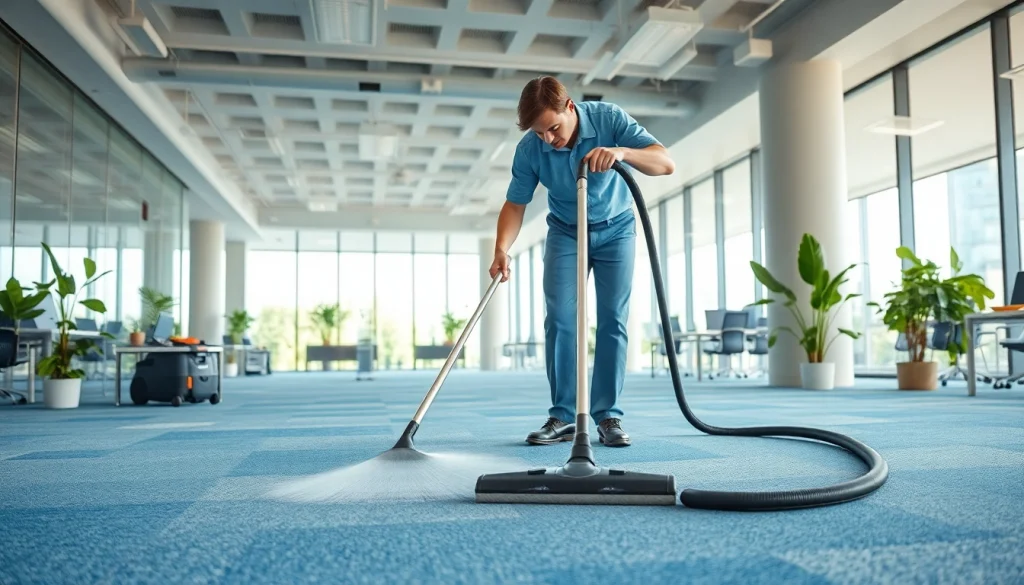
Several cleaning methods are available for carpets, each tailored to different needs. Common techniques include steam cleaning, hot water extraction, dry cleaning, and encapsulation. It’s essential to understand these methods to ensure you choose the right one for your specific carpet type and level of soiling.
- Steam Cleaning: This involves applying hot water and cleaning solutions to carpets, followed by suction to remove dirt and debris. It is one of the most effective deep-cleaning methods.
- Dry Cleaning: A method that uses minimal moisture, reducing drying time but may not penetrate as deeply as steam cleaning.
- Hot Water Extraction: Similar to steam cleaning, but focuses on high-pressure hot water and detergent mixture to clean deeply embedded stains.
- Encapsulation: This method uses polymers that encapsulate dirt particles, allowing for easy removal through vacuuming.
Consulting with your chosen cleaning service can help determine which method is best suited for your needs.
Evaluating Customer Reviews and Feedback
Before selecting a commercial carpet cleaning service, take the time to review customer feedback and testimonials. Online reviews provide insights into the quality of service, customer relations, reliability, and effectiveness of cleaning methods.
A company with consistently positive feedback is likely to provide satisfactory service. In contrast, if you notice recurring issues mentioned in reviews, it’s wise to consider other options.
Best Practices for Maintaining Clean Carpets
Regular Maintenance Tips
To prolong the life of your commercial carpets, a regular maintenance schedule is essential. This can include placing mats at entrances to minimize dirt tracked in from outside and implementing a no-shoe policy in certain areas. Frequent vacuuming is also crucial; aim for at least once a week or more in high-traffic areas.
Choosing high-quality vacuum cleaners with strong suction and HEPA filters can help capture more dirt and allergens, which is essential for maintaining air quality in your workplace.
Preventative Measures for Staining
Preventing stains is as vital as cleaning them. Consider implementing stain-resistant treatments during installation or when your carpets are cleaned. In the case of spills, address them immediately. Blotting the area with a clean cloth rather than rubbing it can prevent further damage and embedding the stain deeper into the fibers.
Encourage employees to be mindful of their actions, such as not eating near carpets and using designated beverage coasters. This awareness can significantly contribute to the overall cleanliness of the carpets.
Educating Employees on Carpet Care
Educating employees on proper carpet care is often overlooked but is essential for maintaining a clean environment. Conduct workshops or provide informational materials outlining best practices for avoiding stains and maintaining cleanliness.
Simple reminders about the importance of reporting spills immediately or where to store wet umbrellas can drastically reduce the potential for carpet damage.
Cost Considerations for Commercial Carpet Cleaning
Budgeting for Cleaning Services
Creating a budget for commercial carpet cleaning involves assessing the scale of cleaning required and how frequently you wish to schedule services. On average, businesses can expect to spend anywhere from a few hundred to several thousand dollars a year depending on size and usage.
It can be beneficial to establish a contract with a cleaning service for regular upkeep, as many companies offer reduced rates for ongoing maintenance compared to one-off cleanings.
Evaluating Cost vs. Value
It’s easy to consider only the initial cost of cleaning services, but evaluating value is equally important. Clean carpets can improve employee productivity, enhance air quality, and impress potential clients—factors that contribute to overall business success.
Furthermore, investing in regular cleaning can prevent severe soiling and damage, saving you from costly replacements down the line.
Potential Savings from Regular Maintenance
The potential for savings extends beyond just avoiding replacement costs. Regular carpet cleaning can also prolong the life of your carpets, reduce health-related absences among employees, and improve overall workplace satisfaction. Ultimately, the money spent on commercial carpet cleaning can yield substantial returns when viewed through the lens of health, aesthetics, and long-term maintenance.
FAQs about Commercial Carpet Cleaning
How often should commercial carpets be cleaned?
It’s recommended to clean commercial carpets every 6 to 12 months, depending on foot traffic.
What methods are used in commercial carpet cleaning?
Common methods include steam cleaning, dry cleaning, and hot water extraction.
Can I clean my commercial carpets myself?
While DIY is possible, professional services ensure deeper cleaning and better results.
How can I prolong the life of my carpet?
Avoid excessive moisture, implement regular cleaning, and use quality entrance mats.
Are eco-friendly products available for carpet cleaning?
Yes, many cleaning services offer eco-friendly options that are safe for health and the environment.