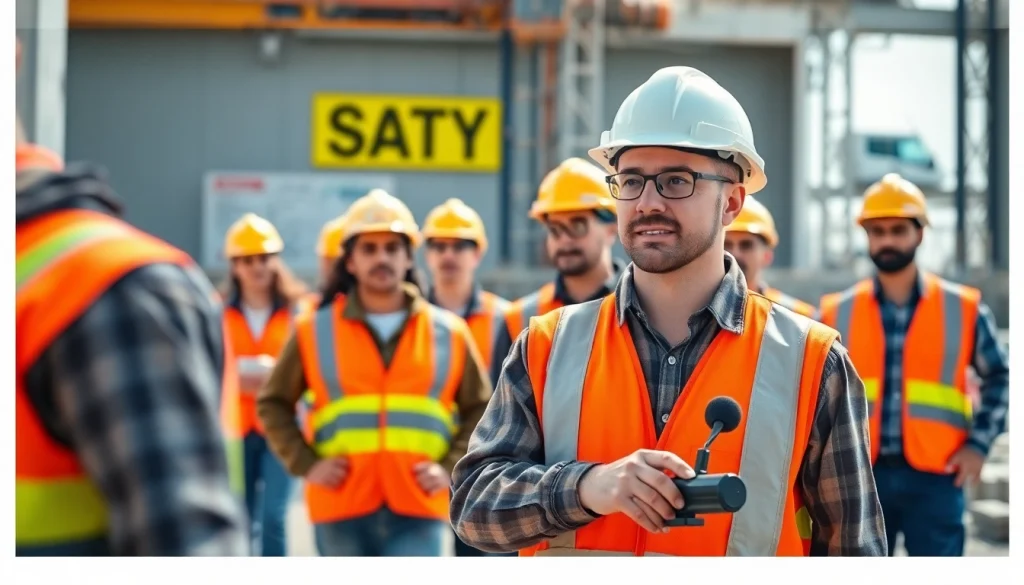
Understanding Construction Safety Programs
What Are Construction Safety Programs?
Construction safety programs are formalized plans that aim to ensure the health and safety of workers on job sites. These programs involve a comprehensive approach to identifying hazards, providing training, and establishing guidelines that govern safe work practices. They usually comprise written policies, standard operating procedures, and training protocols designed to minimize risks and protect personnel from workplace accidents. Effective construction safety programs are crucial in fostering a culture of safety and compliance throughout an organization. Investing in the development of construction safety programs ultimately leads to a safer work environment and can improve overall productivity.
The Importance of Safety in Construction
Safety in construction is not just a regulatory requirement—it’s a moral obligation for employers to protect their workers. The construction industry is notoriously hazardous, with a range of risks, including falls, machinery accidents, and exposure to harmful substances. By implementing robust safety measures, organizations not only comply with legal standards but also significantly reduce the incidence of injuries and fatalities on job sites.
A commitment to safety can enhance employee morale and boost retention rates. Workers who feel safe are more likely to be satisfied with their jobs, leading to increased productivity and lower turnover costs. Furthermore, by demonstrating a dedication to safety, companies can improve their reputations, attract high-quality talent, and even minimize insurance premiums.
Key Components of Effective Programs
Creating an effective construction safety program involves several key components, including:
- Risk Assessment: Identify potential hazards related to construction activities and assess the level of risk associated with each.
- Training and Education: Provide continuous training programs to educate workers about safety practices, proper equipment use, and emergency procedures.
- Clear Communication: Maintain open channels of communication regarding safety expectations and concerns among all workforce members.
- Monitoring and Evaluation: Implement regular inspections and audits to assess the effectiveness of safety measures and make adjustments as needed.
- Emergency Preparedness: Develop and communicate emergency response procedures to ensure that workers know how to react in various situations.
Common Hazards in Construction
Identifying Risks on Job Sites
Job sites often present a myriad of risks that vary according to the nature of the construction project. Common hazards include:
- Falls: One of the leading causes of fatalities in construction, falls can occur from heights, such as scaffolding or ladders.
- Electrical Hazards: Contact with live wires or improper use of equipment can lead to severe electrical injuries.
- Safety Equipment Malfunction: Inadequate maintenance or improper use of personal protective equipment (PPE) can compromise worker safety.
- Heavy Machinery: Operating cranes, excavators, or other large machinery poses risks of crush injuries if operators are not adequately trained.
- Hazardous Materials: Exposure to dangerous substances, such as asbestos, can have long-term health implications for workers.
Workplace Safety Regulations
Regulatory frameworks, such as those established by the Occupational Safety and Health Administration (OSHA), play a crucial role in maintaining safety standards within the construction industry. These regulations provide guidelines for safe work practices, PPE requirements, and reporting processes for incidents. Organizations must stay informed about applicable local, state, and federal regulations to ensure compliance and provide necessary protections for their workers. Regularly reviewing these regulations can help business leaders adapt their safety programs to meet evolving standards.
Reducing Accidents Through Training
Training is the backbone of effective construction safety programs. A well-trained workforce is more aware of potential hazards and equipped to implement safety protocols effectively. Organizations should employ a variety of training methods, including:
- Onboarding Programs: New employees should undergo comprehensive safety training before beginning work.
- Hands-On Workshops: Practical training sessions enable workers to familiarize themselves with equipment and safety measures in realistic settings.
- Refresher Courses: Ongoing education keeps existing employees updated on best practices and safety advancements.
By prioritizing training, construction companies can significantly minimize the risk of workplace accidents and create a culture of safety awareness.
Implementing Construction Safety Programs
Steps to Create a Safety Program
The implementation of a construction safety program requires careful planning and execution. Key steps include:
- Conduct a Safety Audit: Analyze the current safety practices and identify gaps in compliance or effectiveness.
- Engage Stakeholders: Involve key team members in the development of the program to ensure all perspectives are considered.
- Define Roles and Responsibilities: Clearly outline the responsibilities of management and workers in upholding safety standards.
- Draft Safety Policies: Develop comprehensive written policies that address identified risks and outline procedures for hazard control.
- Establish a Training Schedule: Create a timeline for safety training sessions, including both initial and ongoing training requirements.
- Implement Communication Channels: Establish systems for reporting hazards or incidents and for disseminating safety information.
Engaging Employees in Safety Practices
Employee involvement is critical for the success of any construction safety program. Organizations can promote engagement by:
- Encouraging open dialogue around safety concerns and suggestions.
- Establishing safety committees comprising workers from different trades to develop safety initiatives.
- Recognizing and rewarding safe behavior to motivate workers to uphold safety standards.
- Soliciting feedback on safety policies to ensure they are realistic and understood by all workers.
Fostering a participative environment helps build trust and commitment to safety objectives among employees.
Monitoring and Improving Safety Performance
Continuous improvement is integral to the efficacy of safety programs. Construction companies should implement monitoring systems to track safety performance, which can include:
- Incident Reporting Systems: Establish a straightforward process for documenting any accidents or near-misses to analyze root causes.
- Regular Safety Audits: Conduct periodic inspections to evaluate compliance with safety policies and protocols.
- Performance Metrics: Utilize metrics such as injury rates, training participation, and safety audit results to gauge program effectiveness.
By regularly assessing safety performance, organizations can pinpoint weaknesses and take proactive measures to enhance their programs.
Best Practices for Construction Safety
Utilizing Technology for Safety
Embracing technology can substantially enhance construction safety practices. Innovations that can boost safety include:
- Wearable Technology: Devices that monitor vital signs or alert workers to hazardous conditions can help detect issues before they escalate.
- Drones: Used for site inspections, drones can identify safety hazards without putting personnel in harm’s way.
- Construction Management Software: Digital platforms can streamline safety documentation, training records, and incident reports.
By integrating these technologies, construction companies can leverage data to identify trends and minimize risks.
Regular Safety Audits and Assessments
Culture of safety must be maintained through regular audits. These assessments provide valuable insights into safety performance and compliance. Conduct audits that evaluate:
- Procedural adherence and the effectiveness of safety interventions
- Work environment conditions, ensuring risks are minimized
- Worker feedback on safety practices and perceptions
Audit findings should lead to timely improvements, reinforcing the commitment to health and safety on job sites.
Adapting Safety Policies to Changing Conditions
The construction environment is dynamic, necessitating adaptable safety policies. Factors that might require adjustments include:
- Changes in project scope or construction methods
- Introduction of new technologies or equipment
- Feedback from workers regarding prevalent hazards
Regularly reviewing and updating safety policies ensures they remain relevant and effective, promoting a robust safety culture.
Measuring the Success of Safety Programs
Key Performance Indicators for Safety
To evaluate the success of construction safety programs, organizations should track key performance indicators (KPIs) that align with their safety objectives. Examples of KPIs include:
- Injury and illness rates within a specified period
- The number of safety training sessions held and worker participation
- Frequency of safety violations or regulatory non-compliance events
Regularly monitoring these metrics provides a clear picture of overall safety performance and identifies areas for improvement.
Analyzing Incident Reports and Trends
Incident reports are vital for understanding the root causes of accidents. A thorough analysis of the reports can unveil trends that contribute to repeated accidents. Organizations should consider the following when analyzing reports:
- Identify common factors among incidents
- Evaluate the effectiveness of currently implemented safety measures
- Develop targeted interventions to address specific issues
This data-driven approach allows organizations to take proactive steps to mitigate risks.
Feedback Loops for Continuous Improvement
Establishing feedback loops ensures that safety programs evolve based on front-line experiences. Organizations can create a culture of continuous improvement by:
- Regularly soliciting feedback from workers about safety procedures
- Encouraging reporting of safety concerns without fear of retribution
- Incorporating feedback into periodic reviews of safety practices and policies
Emphasizing open communication fosters a proactive approach to safety, propelling sustained improvements.
FAQs About Construction Safety Programs
What are construction safety programs?
Construction safety programs are structured plans designed to ensure safe work practices on job sites, emphasizing risk management.
Why are these programs necessary?
They are critical for minimizing accidents, protecting workers’ health, and ensuring compliance with safety regulations.
How can I implement a construction safety program?
Begin by assessing risks, establishing safety policies, providing training, and engaging workers actively in safety protocols.
What technologies help enhance safety?
Technologies like wearable safety devices and construction management software aid in monitoring safety practices and reducing risks.
How do we measure the effectiveness of our safety program?
Evaluate performance through key metrics like injury rates, near-misses, and compliance with safety guidelines to assess success.