Why You Should Visit Morocco
Morocco is a vibrant country that beckons travelers with its rich history, stunning landscapes, and unique cultural experiences. A journey to this North African gem offers an opportunity to immerse oneself in a tapestry of traditions that honor the past while embracing the future. In addition to its cultural richness, Morocco’s geographical diversity spans breathtaking mountain ranges, expansive deserts, and picturesque coastlines, making it a destination that satisfies all types of adventurers. For those eager to explore this remarkable country, the first step is clear: visit morocco. Let’s delve deeper into the many reasons why your next adventure should be here.
The Rich Cultural Heritage of Morocco
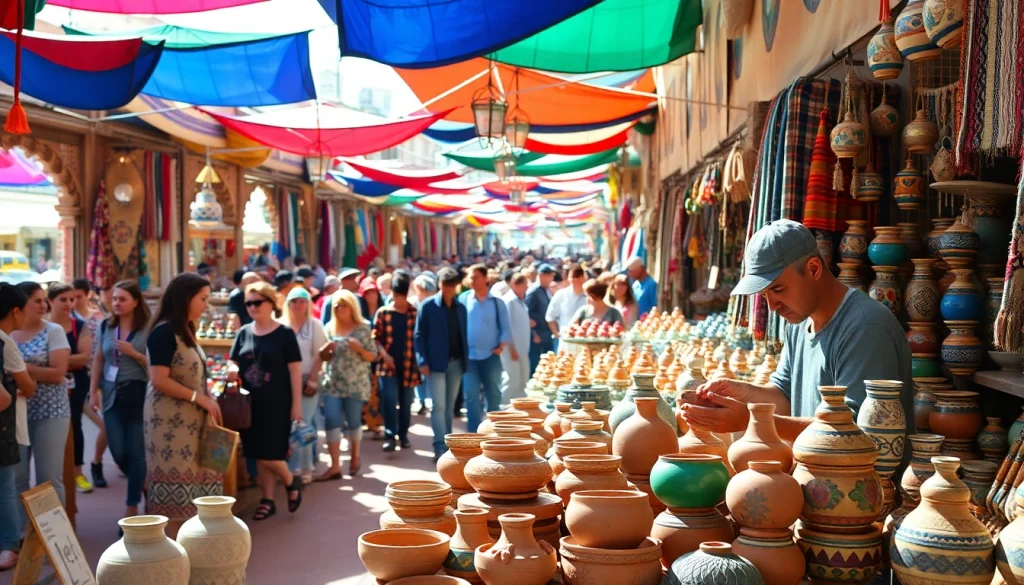
Marrying the influences of Berber, Arab, and French cultures, Morocco’s heritage is a kaleidoscope of colorful traditions, art forms, and architectural styles. The cities are adorned with stunning mosaics, impressive palaces, and bustling souks (markets) that encapsulate this cultural fusion.
One of the highlights of Moroccan culture is its music. Traditional forms such as Gnawa and Amazigh music showcase the diversity that the country offers. Festivals that celebrate local craftsmanship, music, and dance invite visitors to engage with the community, creating unforgettable experiences.
Through craftsmanship, Morocco demonstrates its cultural richness. Famous crafts include intricate leatherwork, pottery, and textiles. Visit the artisan workshops in Marrakech or Fes, where skilled artisans demonstrate their craft, offering visitors a glimpse into the age-old techniques that have been passed down through generations.
Scenic Landscapes: From the Atlas Mountains to the Sahara
The geographical layout of Morocco invites exploration. The rugged yet majestic Atlas Mountains provide a dramatic backdrop for hiking and trekking adventures. Mount Toubkal, the highest peak in North Africa, attracts enthusiasts eager to ascend its heights.
Conversely, a trip to the Sahara Desert unveils a different kind of beauty. The undulating sand dunes of Merzouga, especially during sunrise and sunset, create mesmerizing landscapes that are perfect for photography and reflection. Camel treks move across these iconic dunes, a rite of passage for many travelers.
In addition to the mountains and deserts, Morocco’s coastlines offer a soothing contrast. The vibrant blue waters of the Mediterranean and Atlantic Oceans draw sun-seekers and water sports enthusiasts alike. Coastal cities like Essaouira and Agadir inspire relaxation and adventure, complete with fresh seafood and stunning beaches.
Unique Culinary Experiences You Can’t Miss
The culinary scene in Morocco is a mosaic of flavors influenced by its diverse cultural fabric. Dishes like tagine and couscous represent the heart of Moroccan cuisine. The use of spices such as cumin, coriander, and saffron makes every meal a sensory experience.
No meal is complete without a serving of mint tea, famously known as “Moroccan whiskey.” In addition to traditional dining, food tours are an excellent way to experience local flavors and customs. Join street food tours in cities like Marrakech to discover hidden culinary treasures, from savory pastries to sweet delicacies.
For those wanting to master Moroccan cooking, cooking classes led by local chefs are available, ensuring you return home with not just memories, but also skills to recreate your experiences.
When to Visit Morocco for the Best Experiences
Peak Seasons and Local Events to Consider
Timing your visit can significantly enhance your Moroccan experience. The country generally enjoys mild weather in spring (March to May) and autumn (September to November), making these the best seasons to explore. During these months, outdoor activities and tours are highly enjoyable.
For those interested in cultural events, consider planning your trip around local festivals. The Marrakech Popular Arts Festival and the Fes Festival of World Sacred Music are just a couple of events that showcase Morocco’s music, dance, and art.
Understanding Weather Patterns in Moroccan Regions
Morocco’s weather can vary immensely between regions. The coastal areas tend to have a moderate climate, while the interior regions can experience extreme temperatures. For example, summers in the Sahara can exceed 40°C, while winter can see temperatures drop significantly at night.
Understanding the climate variations helps in packing the appropriate gear and planning activities accordingly. If hiking the Atlas Mountains, pack layers, as temperatures can fluctuate. For desert excursions, lightweight clothing during the day and warm clothing for the night are essential.
How to Plan Your Trip Schedule Effectively
Planning your itinerary in advance can greatly enhance your travel experience. If aiming to see both cities and nature, allocate time for urban exploration in historic cities like Fes and Marrakech, then transition to rural areas like the valleys and mountains.
Consider arranging tours or connections in advance, especially during peak seasons. Engage locals for recommendations on hidden gems and less touristy destinations to maximize your experience.
Top Destinations to Visit in Morocco
Bustling Cities: Marrakech and Fes
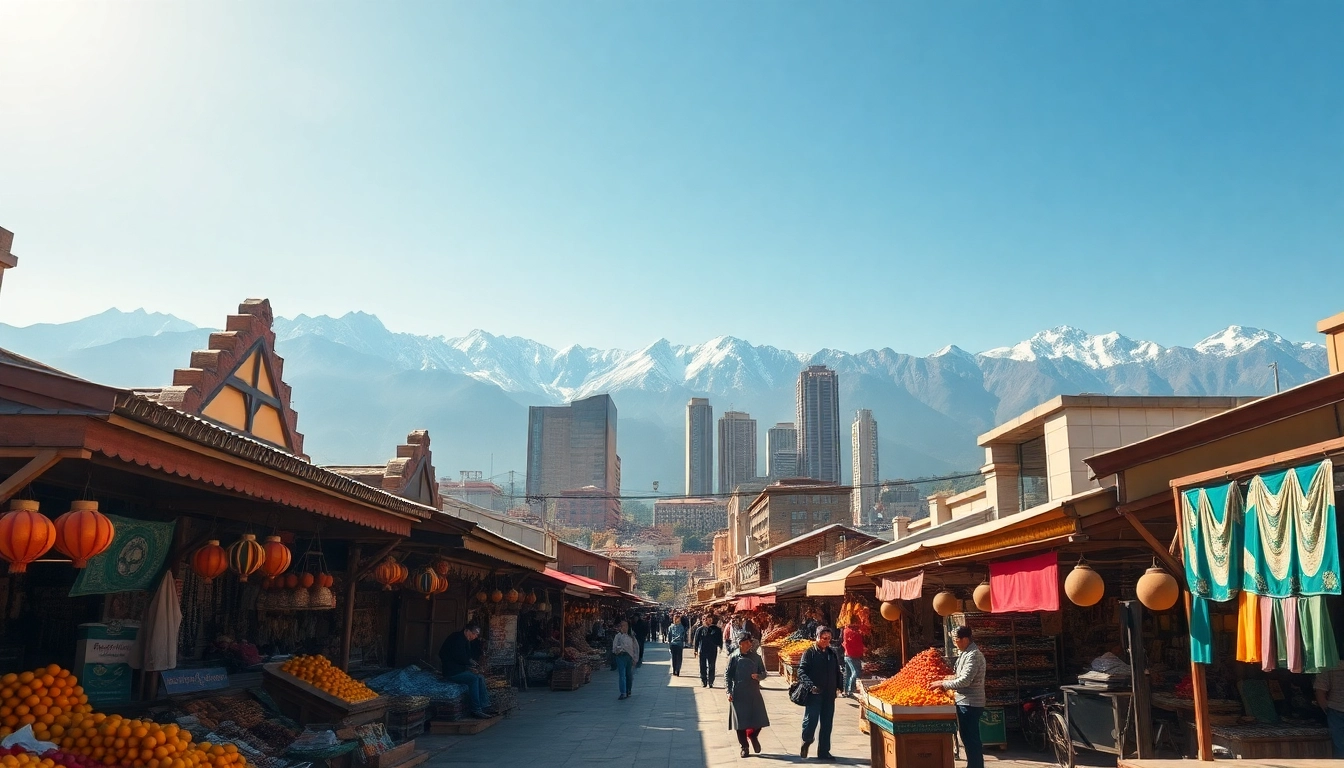
Marrakech, known as the “Red City,” is famed for its vibrant markets, stunning palaces like the Bahia Palace, and the lively Djemaa el-Fnaa square, where street performers and food stalls abound. The Medina, a UNESCO World Heritage site, invites exploration through its maze-like streets.
Fes, on the other hand, is renowned for its medieval architecture, including the oldest university in the world, Al Quaraouiyine. The city’s atmosphere transports visitors back in time, with artisans continuing age-old traditions in its souks.
Must-See Natural Wonders: Dunes and Valleys
Natural beauty thrives in Morocco, with sites such as the Todra Gorge and the Dades Valley leaving many visitors in awe. The Todra Gorge is a canyon carved over millennia, presenting opportunities for rock climbing and hiking.
In contrast, the Dades Valley offers spectacular views dotted with Kasbahs, where one can enjoy peaceful hikes and the stunning scenery of traditional Berber villages.
Historical Sites: Fortresses and Palaces
Morocco’s history is represented through its many historical sites. The ancient city of Ait Benhaddou, a UNESCO World Heritage site, is a well-preserved kasbah that has served as a backdrop for numerous films. Close by, the Saadian Tombs in Marrakech highlight regal grandeur from the dynasty that ruled in the 16th century.
Moreover, the Royal Palace of Fes remains an iconic example of Moroccan architecture, featuring intricate tile work and stunning gardens.
Essential Tips for Traveling in Morocco
Getting Around: Transportation Options Available
Transportation options in Morocco are diverse, ranging from buses and taxis to internal flights. For urban exploring, taxis are flexible, though agree on fares before setting off. For longer distances, the ONCF train service connects major cities efficiently.
Renting a car can provide freedom, especially for those wanting to venture into rural areas. However, driving conditions can vary, so it’s advisable to familiarize oneself with local driving laws and customs.
Safety Tips for a Worry-Free Visit Morocco
Traveling in Morocco is generally safe, but it’s wise to practice common-sense precautions. Staying aware of your surroundings, securing your belongings, and avoiding overly isolated areas can mitigate risks.
When using public transport, remain vigilant and keep your valuables out of sight. Additionally, engaging with local guides can enhance safety and provide deeper insights into your surroundings.
Local Customs and Etiquette to Respect
Understanding local customs can greatly enhance your interactions in Morocco. Greetings are essential; a handshake is common, and using Moroccan Arabic phrases can earn you respect. When dining, remember that it’s customary to eat with the right hand, and sharing food and tea fosters community and camaraderie.
Dress modestly, especially in rural areas, as it reflects respect for local sensibilities. In religious sites, adhere to specific dress codes and behave discreetly to maintain the atmosphere of reverence.
Maximizing Your Experience: Authentic Recommendations
Engaging with Local Residents for Cultural Immersion
To truly appreciate the essence of Morocco, engage with the locals. Whether through organized cultural exchange programs or informal chats in souks, local insights often yield the most memorable experiences.
Ask about traditional customs or cooking practices; such conversations rarely fail to enrich the experience and forge connections. Many locals take pride in sharing their stories and heritage with travelers.
Finding Hidden Gems Off the Beaten Path
While iconic cities and sites deserve attention, don’t overlook the hidden gems that offer uniqueness away from the tourist trails. Exploring lesser-known towns like Chefchaouen, with its blue-washed walls, reveals a serene side of Morocco ideal for reflection and appreciation.
Discovering these hidden jewels allows for more personal interactions and insights into everyday Moroccan life. Seek recommendations from locals or fellow travelers who have explored beyond the standard tourist experience.
Creating Lasting Memories During Your Visit Morocco
Finally, prioritize moments that create memories rather than just ticking off sights on a checklist. Attend a local wedding, participate in a traditional cooking class or enjoy a sunrise camel trek in the desert.
Document your experiences through photography or journaling; these memories will serve as cherished reminders of your adventures and the connections made throughout your visit. Allow spontaneity into your travels to discover the true spirit of Morocco, where every moment holds the potential for adventure and connection.