Understanding Modern Home Decor
What Defines Modern Home Decor?
Modern home decor encompasses a wide range of styles, materials, and colors unified by a common thread: simplicity and functionality. Unlike traditional decor, which often emphasizes ornate details and heavy textures, modern home decor champions clean lines and uncluttered spaces. By focusing on the essence of design, this style embodies both aesthetic appeal and practical utility, inviting homeowners to curate environments that truly reflect their lifestyles. An essential aspect of modern home decor is its commitment to creating warm, inviting atmospheres without sacrificing edginess. materials, such as natural woods, metals, and glass, help establish this aesthetic while promoting sustainability.
Key Characteristics of Modern Styles
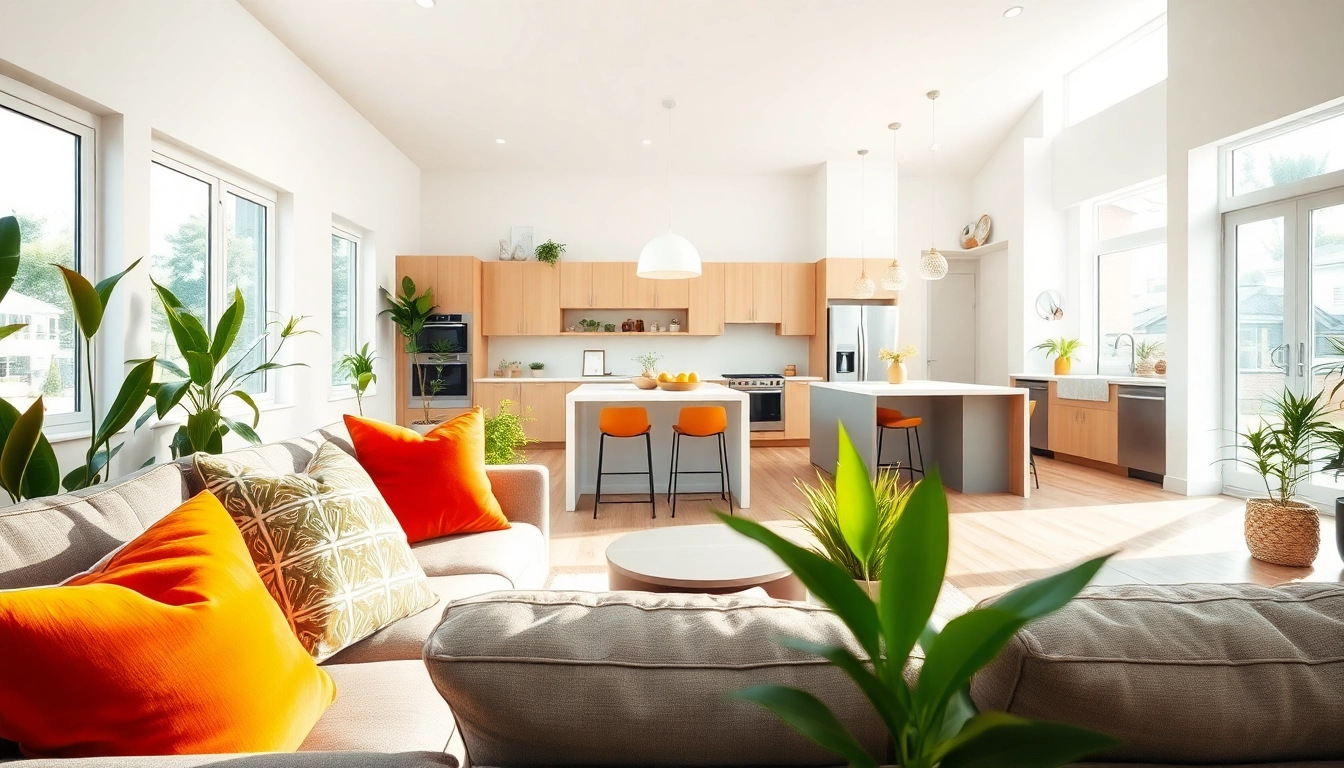
The characteristics of modern home decor are defined by several distinct elements. First, a preference for open spatial arrangements allows for free flow, often resulting in multifunctional uses of space. Additionally, color schemes often lean toward neutral tones accented by bold hues, which creates striking and contemporary contrasts. Materials utilized in modern decor exhibit honesty, showcasing their natural qualities rather than masking them under decorative layers. Finally, the integration of personal artworks, patterns, and textures adds elements of individuality, elevating spaces beyond mere representations of modernity.
Historical Influence on Modern Decor
Modern home decor arose from various historical movements that reshaped design philosophy. Key influences include the Bauhaus movement, which emphasized minimalism and functionality in design, and the Mid-Century Modern era, known for its organic forms and innovative materials. As industrialization progressed, a shift occurred from ornate, handcrafted decor to functional, mass-produced items, allowing modern aesthetics to flourish in urban environments. Understanding these influences is imperative for anyone seeking to appreciate or incorporate modern decor into their homes.
Essential Elements of Modern Home Decor
Furniture Selection for Modern Spaces
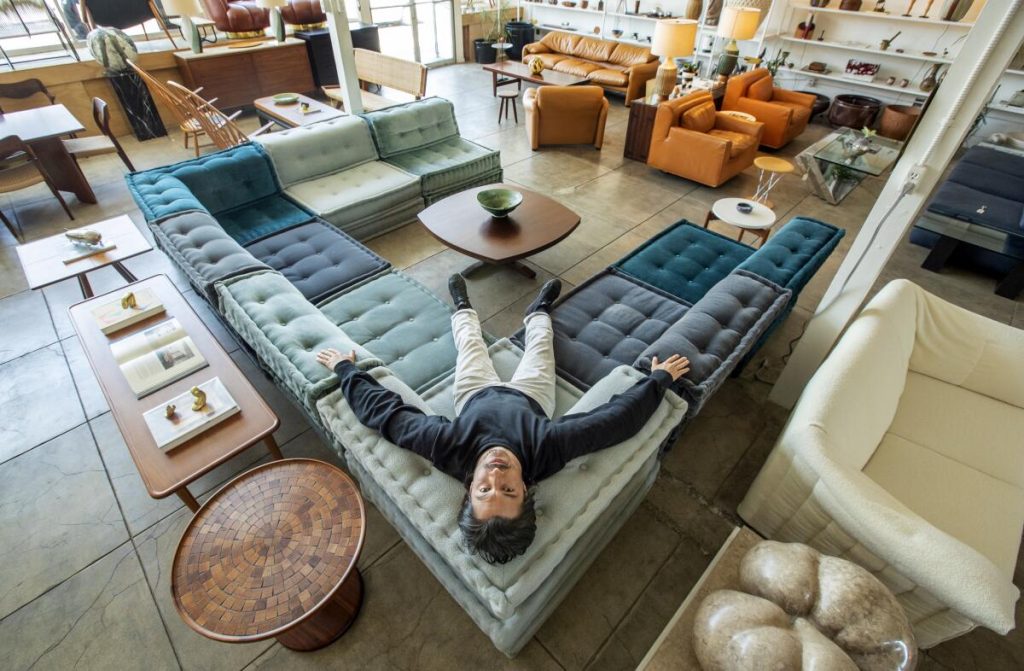
Choosing the right furniture is crucial in manifesting a modern aesthetic. Prioritize pieces with clean lines, geometric shapes, and innovative materials. Sofas should be low-slung with minimal ornamentation, while tables should feature sleek surfaces without excessive detailing. Consider multifunctional designs, such as ottomans that double as storage, to maximize space without sacrificing style. Vintage or second-hand finds can also add character to a modern setup while adhering to budget constraints.
Color Palettes and Patterns
A well-structured color palette is imperative when embracing modern home decor. Neutrals like whites, blacks, and greys often form the base, providing a canvas that allows for bolder accent colors like deep greens or vibrant yellows. Patterns should remain subtle, aligning with the overall ethos of minimalism; geometric or abstract prints work particularly well. Each color choice should enhance the intended mood of the space while preserving the functional beauty modern decor embodies.
Lighting and Accessories
Modern home decor places significant importance on lighting, which can transform spaces dramatically. Selecting fixtures with innovative designs, such as sculptural pendant lights or architectural floor lamps, adds character while establishing focal points throughout the room. Accessories should retain function, such as stylish storage solutions or artful mirrors that produce both an aesthetic and practical impact. Every piece must embody the pursuit of functionality and elegance, reinforcing the core principles of modern decor.
Implementing Modern Home Decor in Small Spaces
Maximizing Space Usage
In small spaces, modern home decor effectively creates an illusion of spaciousness. Start by decluttering; remove any items that do not serve a purpose. Using a monochrome color scheme extends visual space, while mirrors create depth and reflect light. Opt for furniture that complements rather than overwhelms a small room, such as sectional sofas that fit neatly into corners. Additionally, wall-mounted shelves offer storage without encroaching on valuable floor space.
Choosing Multi-Functional Furniture
Multi-functional furniture is a hallmark of modern decor in small areas. Invest in items like fold-out tables or Murphy beds that allow flexibility in usage. Ottomans with storage capabilities eliminate the need for bulky furniture while providing essential functionality. Bar carts can serve as both mobile storage for drinks and an accent piece when not in use. Such clever furniture choices ensure that small spaces remain both stylish and practical.
Tips for Small Room Aesthetics
To enhance aesthetics in small rooms, focus on layering textures. Introduce throw pillows, textiles, and area rugs that add visual interest without cluttering the space. Maintain a balance between simplicity and personality through curated decor, such as a few impactful pieces of artwork or distinctive collectibles. Incorporate plants to bring life and color into small areas, as greenery enhances air quality while creating a vibrant atmosphere.
Current Trends in Modern Home Decor
Popular Designs and Styles
In the realm of modern home decor, various trends continue to captivate designers and homeowners. Minimalist designs emphasizing simplicity and function dominate, encouraging clean lines and spaciousness. Open concept layouts promote communal spaces, merging functional areas such as living rooms and kitchens. Additionally, biophilic design, which integrates nature into interiors through materials and layouts, is gaining traction, resonating deeply in our increasingly urban lives.
Eco-Friendly Decor Solutions
Sustainability in decor is no longer an option but a necessity. Modern home decor increasingly incorporates eco-friendly solutions, prioritizing recycled and sustainable materials. Homeowners today seek furnishings crafted from sustainable woods, low-VOC paints, and organic textiles that minimize their ecological footprint. This commitment to the environment is mirrored in design choices that emphasize longevity and durability, ensuring that beautiful spaces are also environmentally responsible.
Technology Integration in Home Decor
The integration of technology in modern home decor creates seamless experiences between aesthetics and functionality. Smart home devices, such as programmable thermostats, smart lighting, and security systems, can be visually integrated within design frameworks. By using sleek, minimalist devices, homeowners can ensure that technology complements rather than detracts from their decor. An organized approach to technology keeps spaces efficient and user-friendly while embracing the stylish simplicity of modern decor.
FAQs About Modern Home Decor
What is modern home decor characterized by?
Modern home decor is characterized by simplicity, clean lines, and functional elements. It emphasizes minimalism and open spaces, focusing on light and airy designs that enhance usability while avoiding clutter.
How can I incorporate modern home decor on a budget?
To incorporate modern home decor on a budget, prioritize second-hand furniture, DIY projects, and minimalistic accessories. Focus on neutral palettes and DIY art to create impactful yet affordable changes to your space.
What colors are trending in modern home decor?
Trending colors in modern home decor include neutral tones like whites, greys, and beiges, often accented by bold colors such as navy blue, deep green, and mustard yellow for a striking contrast.
How does lighting impact modern home decor?
Lighting profoundly impacts modern home decor by influencing the atmosphere and functionality of spaces. Thoughtful lighting choices enhance architectural features, create cozy settings, and add dramatic flair to interiors.
What are common mistakes in modern home decor?
Common mistakes in modern home decor include overcrowding spaces, using overly ornate furniture, and neglecting lighting. Focusing on minimalism and proper lighting can help avoid these pitfalls, leading to more harmonious spaces.