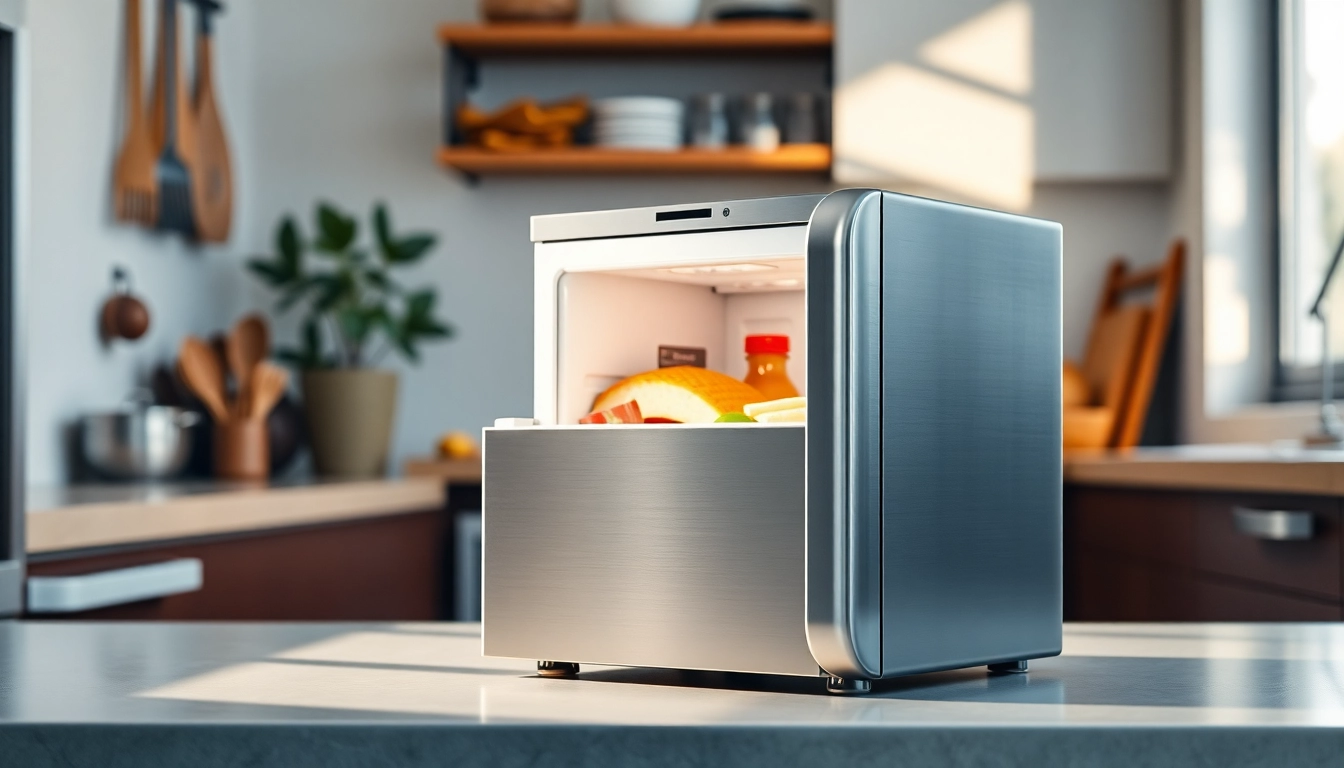
Understanding the Basics of Mini Freezer Technology
In today’s fast-paced world, the demand for efficient storage solutions is constantly on the rise. Enter the mini freezer, a compact appliance that offers a practical way to preserve food while occupying minimal space. This article dives into the essential technology behind mini freezers, guiding you to make informed choices about your home storage needs.
How Mini Freezers Operate Efficiently
Mini freezers are designed to operate under controlled temperatures, typically ranging from 0°F to -10°F. At the heart of their operation is the refrigeration cycle, which involves several key components: the compressor, evaporator, condenser, and expansion valve. The compressor pressurizes the refrigerant, converting it into a gas that absorbs heat from the freezer interior. The gas then moves to the condenser, which expels the heat outside, allowing the refrigerant to transform back into a liquid state. Finally, the liquid refrigerant expands through the expansion valve, cooling as it enters the evaporator, where it absorbs heat and thus lowers the temperature inside the mini freezer.
Energy Consumption and Cost-Effectiveness
Energy efficiency is a vital consideration when choosing a mini freezer. Many models carry Energy Star ratings, indicating that they meet energy-saving guidelines set by the U.S. Environmental Protection Agency. These appliances generally consume less electricity compared to standard-sized freezers, translating into lower monthly utility bills and a smaller carbon footprint. Understanding energy consumption is critical; a mini freezer’s annual consumption typically ranges from 200 to 400 kWh, depending on factors such as size, age, and usage patterns.
Common Types of Mini Freezers Available
When shopping for a mini freezer, you’ll encounter various types, including upright and chest freezers. Upright freezers resemble traditional refrigerators and offer easy access to items, making them ideal for those who value organization. Conversely, chest freezers provide larger capacity and superior energy efficiency due to their insulation properties, though accessing items might require more effort. Additionally, some models come with features like built-in temperature controls and adjustable shelves, enhancing their usability and flexibility.
Choosing the Right Size for Your Needs
Size is a critical factor when selecting a mini freezer. A freezer that fits your space and meets your storage needs is essential for effective food preservation.
Ideal Capacities for Different Households
Determining the right capacity largely depends on your household size and food storage habits. Typically, a mini freezer can range from 1.1 cubic feet to over 5.0 cubic feet. For singles or couples, a compact model of 1.1 to 3.0 cubic feet is usually sufficient, capable of holding essentials like ice cream or frozen dinners. Families, on the other hand, might benefit from larger models in the 3.1 to 5.0 cubic feet range, allowing storage of bulk purchases and larger items.
Space Considerations for Mini Freezers
Before making a purchase, evaluate the available space in your home. Consider not only the height and width of the appliance but also the depth, ensuring it fits comfortably without obstructing pathways or cabinets. If you live in a small apartment or dormitory, a vertical or upright mini freezer is often the best choice due to its space-saving design. Always measure your intended installation area, allowing for additional clearance for doors and ventilation.
Comparing Chest vs. Upright Mini Freezer
When deciding between a chest and upright mini freezer, consider factors like accessibility, energy efficiency, and storage capacity. Chest freezers typically offer more usable space and better temperature retention, making them suitable for long-term storage of bulk food items. However, they can be harder to organize, as items tend to pile up on top of one another. On the contrary, upright mini freezers provide easier access and organization, making it simple to retrieve items, but they may have slightly lower energy efficiency. Weigh the pros and cons based on your specific needs to choose the right style.
Key Features to Look for in a Mini Freezer
As you search for the ideal mini freezer, several key features can enhance your experience and the appliance’s performance.
Adjustable Temperature Control
An adjustable temperature setting is vital for customizing the freezer temperature based on your storage requirements. Look for models that allow you to set the temperature within a defined range, as this ensures optimal preservation of different food items. Some mini freezers even have digital displays that enable precise control and monitoring.
Energy Efficiency Ratings Explained
Understanding energy efficiency ratings can help you choose an environmentally friendly option. Models with Energy Star certifications are designed to consume less energy while maintaining optimal freezing performance. Always check the energy guide labels to make informed comparisons about potential operating costs.
Storage Options and Flexibility
When selecting a mini freezer, look for storage options that fit your needs. Some models come with adjustable shelving, door compartments, and baskets that facilitate better organization. Sliding shelves or removable bins can also help you utilize space efficiently, allowing for easy access to all stored items without unnecessary hassle.
Maintenance Tips for Longevity
Maintaining your mini freezer not only preserves its lifespan but also ensures optimal performance.
Cleaning and Care for Optimal Performance
Regular cleaning is essential. Unplug the mini freezer and allow it to defrost, if necessary, before cleaning. Use mild soap and warm water to wipe both the interior and exterior surfaces, paying special attention to the seals and gaskets. Removing built-up frost and ice can enhance efficiency and prolong the appliance’s life. Aim for a thorough cleaning at least once every six months, or more frequently depending on usage.
Common Issues and Troubleshooting Steps
Common problems with mini freezers can include failure to freeze, unusual noises, or leaks. If the freezer isn’t cooling adequately, check that it’s plugged in and that the temperature settings are correct. Unusual noises might indicate that the appliance needs leveling or that the compressor is working harder than necessary due to accumulated frost. To troubleshoot leaks, inspect the door seals for damage and ensure that the appliance is not over-packed.
Best Practices for Organizing Your Mini Freezer
Organizing your mini freezer can make a world of difference in efficiency. Use clear bins for categorizing items like meats, vegetables, and snacks. Label containers clearly for easy access, helping you locate what you need quickly. Group items by frequency of use, placing frequently accessed items on top and less-used items at the bottom. Additionally, maintaining a running inventory will help you keep track of items, ensuring that nothing gets forgotten or wasted.
Frequently Asked Questions About Mini Freezers
What is the average lifespan of a mini freezer?
The average lifespan of a mini freezer is typically around 10 to 15 years, depending on usage and maintenance. Regular upkeep can extend the lifespan significantly.
Can a mini freezer be used in a garage?
Yes, you can use a mini freezer in a garage, but ensure the garage temperature does not exceed limits (usually above 110°F), as it can affect performance.
How much food can a mini freezer hold?
A mini freezer’s capacity varies, but a model between 3.0 and 5.0 cubic feet can hold approximately 100 to 175 pounds of food, depending on the type and packaging.
Is a mini freezer energy-efficient?
Many modern mini freezers are designed with energy efficiency in mind. Look for Energy Star ratings to ensure lower energy consumption compared to older models.
Are mini freezers suitable for long-term food storage?
Yes, mini freezers are suitable for long-term food storage. They maintain low temperatures necessary for preserving various food items for extended periods.