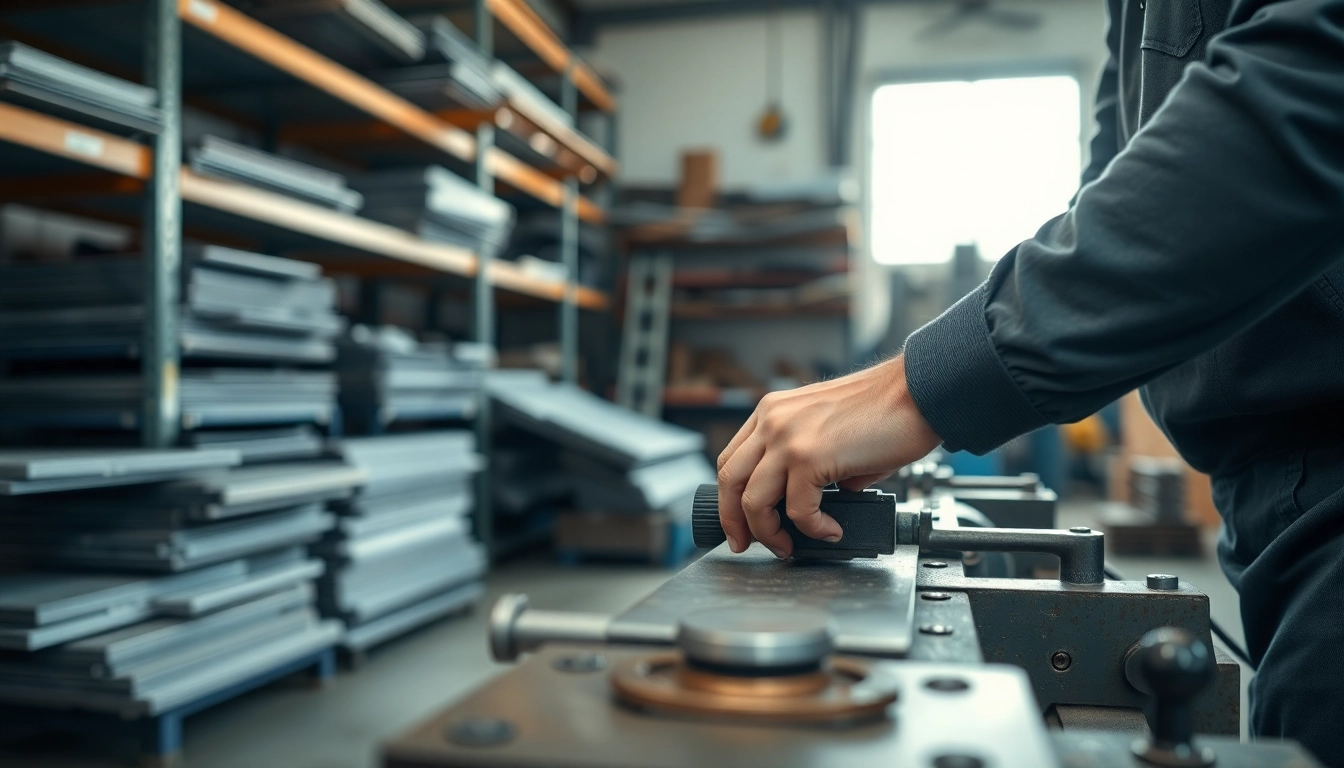
Understanding Cutting Equipment
Cutting equipment plays a crucial role in various industries, enabling precise and efficient cutting of materials ranging from metal to wood. The right cutting equipment can significantly enhance productivity and reduce waste. This comprehensive guide will explore various types of cutting equipment, their features, applications, maintenance, and answers to common questions, aimed at helping you make informed decisions.
What is Cutting Equipment?
Cutting equipment encompasses a variety of tools and machines designed to cut, slice, trim, or shear materials into specific shapes and sizes. These tools can be manual or powered, depending on the application and the type of material being worked on. The use of cutting equipment varies widely across sectors such as construction, manufacturing, healthcare, and woodworking, making it an essential part of modern industry.
Types of Cutting Equipment Available
There is a broad array of cutting equipment, each designed for specific tasks. Here are some of the most common types:
- Band Saws: Ideal for cutting wood, metal, and plastic, band saws feature a continuous loop of toothed metal. They are highly versatile and suitable for both intricate cuts and straight lines.
- Table Saws: A staple in woodworking shops, table saws offer precision cutting and can handle large sheets of material. They are typically powered and can be adjusted for different cutting heights.
- Laser Cutters: This advanced equipment uses laser technology to produce high-precision cuts in various materials including metals, plastics, and glass. They are often used for complex designs and patterns.
- Plasma Cutters: Plasma cutting involves using a high-velocity jet of ionized gas to slice through electrically conductive materials. They are widely used in metal fabrication and repair work.
- Circular Saws: These portable tools use rotary blades to cut through various materials and are popular for construction and home improvement projects.
Choosing the Right Cutting Equipment
Choosing the appropriate cutting equipment requires consideration of various factors, including the material type, the cutting precision needed, and the scale of the work. Always assess your specific requirements and match them with the capabilities of the tools available. Experimenting with different models in practical scenarios can also provide valuable insights into which tool works best for you.
Key Features to Consider
Material Durability and Quality
The durability of cutting equipment often dictates its effectiveness and longevity. High-quality materials used in construction ensure that the equipment can withstand rigorous use. It’s essential to consider factors such as the type of steel used for blades, resistance to corrosion, and overall wear-and-tear factors. Investing in durable equipment can save costs in the long run.
Safety Features in Cutting Equipment
Safety should be a primary concern when selecting cutting equipment. Look for features like blade guards, emergency shut-off switches, and ergonomic designs that minimize the risk of accidents. Equipment should comply with safety standards relevant to your industry, ensuring that operators can work confidently and securely.
Size and Ergonomics of Cutting Equipment
The size and ergonomic design of cutting equipment greatly influence user comfort and productivity. Tools that are too heavy or poorly balanced can lead to operator fatigue and decrease efficiency. Opt for equipment designed with user comfort in mind, enabling easier handling and better control.
Applications of Cutting Equipment
Cutting Equipment in Various Industries
Cutting equipment is widely utilized across different fields, each with its unique demands:
- Construction: Tools like saws and cutters are critical for framing, roofing, and finishing tasks.
- Aerospace: Precision cutting tools are essential for shaping metals and composites for aircraft components.
- Automotive: Cutting equipment is used in manufacturing and assembly, from chassis fabrication to component integration.
- Textiles: In the fashion industry, cutting tools are vital for creating patterns and cutting fabric accurately.
Common Use Cases for Cutting Equipment
Real-world applications of cutting equipment illustrate its versatility:
- Builders use circular saws and miter saws for cutting wood and drywall accurately on-site.
- Metalworkers employ band saws and plasma cutters to fabricate structural components.
- Graphic designers may use laser cutters to create intricate designs in wood or acrylic for custom projects.
Impact of Cutting Equipment on Efficiency
Using the right cutting equipment enhances productivity by reducing material waste and expediting the cutting process. Equipment that offers precision cuts minimizes the need for rework, saving time and resources. The evolution of cutting technology, particularly in laser and plasma cutting, has dramatically improved efficiencies in industries requiring high levels of accuracy.
Maintenance and Care
How to Maintain Your Cutting Equipment
Regular maintenance is vital to prolong the life of cutting equipment. Here are some tips:
- Regular Cleaning: Keep the equipment dirt-free and free from debris, which can affect performance.
- Blade Inspection: Check blades for signs of wear or damage and replace them when necessary to maintain cutting quality.
- Lubrication: Regularly lubricate moving parts according to manufacturer guidelines to ensure smooth operation.
Signs Your Cutting Equipment Needs Repair
It’s important to be aware of signs that indicate your cutting equipment may need servicing:
- Strange Noises: Unusual sounds during operation can indicate mechanical issues.
- Inconsistent Cuts: If the output quality declines, it may be time for repairs or blade replacements.
- Overheating: Equipment that overheats during use should be inspected to prevent fire risks.
Best Practices for Storing Cutting Equipment
Proper storage ensures cutting equipment remains in good condition. Here are best practices:
- Store tools in a dry, flat place to prevent rust and damage.
- Use protective cases or covers when not in use to shield against dust and moisture.
- Organize equipment so that heavy items are at a safe height to avoid accidents when lifting.
FAQs about Cutting Equipment
What should I consider when choosing cutting equipment?
Consider the material types, required precision, safety features, and ergonomic design that best match your specific needs.
How often should I maintain my cutting equipment?
Regular maintenance should be performed after every use, with thorough inspections and servicing scheduled quarterly or biannually.
What are the safety features to look for in cutting equipment?
Essential safety features include blade guards, emergency shut-off buttons, ergonomic handles, and anti-vibration systems to reduce risks.
Can cutting equipment be used for multiple applications?
Yes, many cutting tools are versatile. For instance, some saws can cut wood, plastic, and even thin metals with the right blades.
What are some common materials that cutting equipment can handle?
Cutting equipment can handle a variety of materials, including wood, metals, plastics, glass, fabrics, and composites, depending on the tool’s specifications.