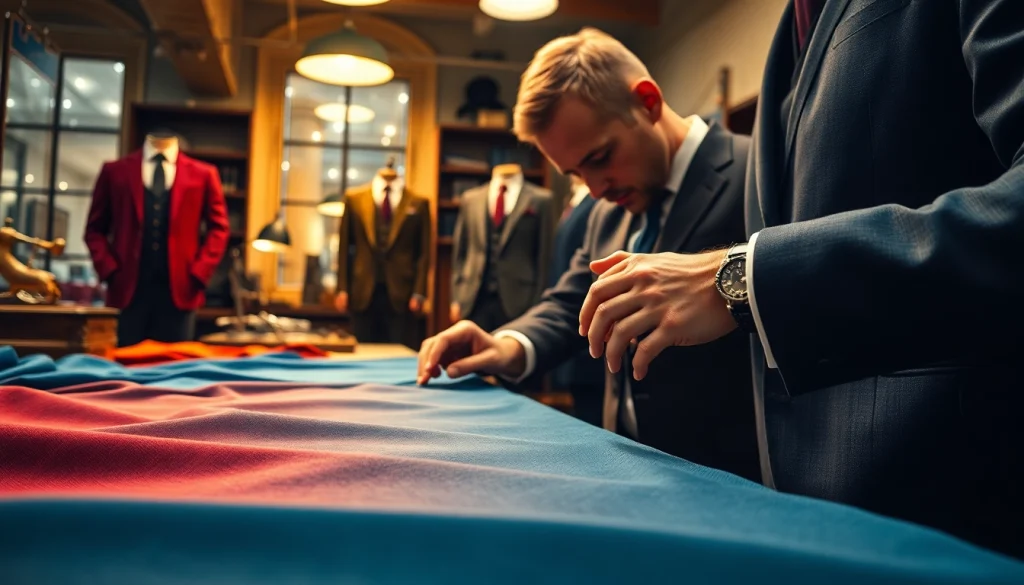
Understanding Tailor Made Bespoke Suits
When it comes to personal style and elegance, few garments hold the prestige of a tailor made bespoke suit. Unlike off-the-rack options, bespoke suits are crafted to meet the specific dimensions, tastes, and needs of the wearer, creating an unmatched experience encapsulated in fine tailoring. The art of creating these bespoke suits demands a blend of skill, craftsmanship, and attention to detail that truly elevates the sartorial experience. Choosing a tailor made bespoke suit can feel overwhelming, but understanding the intricacies of tailoring and the benefits it brings can help simplify the journey.
What Makes a Suit Bespoke?
A suit is considered bespoke when it is custom-made for an individual from scratch, rather than adapted from a pre-existing pattern. The bespoke process involves a series of personalized fittings, allowing for modifications that ensure not only a perfect fit but also a unique design that reflects the wearer’s style. It’s this commitment to individuality that sets bespoke suits apart from tailored options, which typically involve fewer customization opportunities. Bespoke garments are often made with high-quality materials, sourced specifically to meet the client’s expectations, adding to the garment’s luxurious appeal.
The Art of Tailoring Explained
The tailoring process is an art form, requiring a keen eye for detail and a deep understanding of fabric behavior. Initially, expert tailors undertake detailed measurements of the client’s body, observing stance and posture to accommodate their unique physical characteristics. Following this, a prototype is constructed to serve as a template, and after several fittings, the final suit emerges—one that exhibits unparalleled craftsmanship. This meticulous attention to detail isn’t merely beneficial; it’s essential in ensuring that each suit is not only stylish but also profoundly comfortable.
Key Benefits of Tailor Made Bespoke Suits
Investing in a tailor made bespoke suit brings several advantages:
- Perfect Fit: The ability to customize every element ensures that the suit fits like a second skin.
- Quality Materials: Clients can select from premium fabrics and materials that offer durability and comfort.
- Unique Style: A bespoke suit reflects personal style, allowing for choices in colors, patterns, and details.
- Longevity: Constructed by experienced artisans, bespoke suits are built to withstand wear and retain their shape over time.
Choosing the Right Fabric for Your Bespoke Suit
The fabric of a suit significantly impacts both its appearance and functionality. Understanding the various options available is essential for making a well-informed decision that aligns with personal style and climate requirements.
Types of Fabrics Commonly Used
There are several fabrics to choose from when crafting a bespoke suit, including:
- Wool: Known for its versatility, wool is breathable and suitable for various climates.
- Cashmere: A luxurious option, cashmere is softer and warmer, making it ideal for cooler temperatures.
- Linen: Lightweight and breathable, linen is perfect for summer suits but tends to wrinkle easily.
- Silk: Often used for lining, silk adds a touch of luxury but may not be suitable for entire suits due to its delicate nature.
How Fabric Affects Fit and Style
The choice of fabric can dramatically alter the way a suit fits and looks. For instance, heavier fabrics like wool can create a structured silhouette, while lighter fabrics like cotton or linen may offer a more relaxed fit. Understanding how specific materials drape and their characteristics is crucial in achieving the desired outcome. The interplay between fabric texture, weight, and the suit’s cut will also lend to the overall aesthetic, thus significantly influencing the finished garment’s appeal.
Seasonal Fabric Considerations
Seasonality plays a significant role in fabric selection. For summer, lightweight and breathable fabrics such as linen are recommended, while winter suits often feature heavier materials like flannel. Season-appropriate fabrics ensure comfort while maintaining a polished appearance. Additionally, colors and patterns may be selected in accordance with the season; lighter tones for warmer months and darker shades for colder periods can enhance the overall aesthetic.
The Tailoring Process: From Measurements to Final Fit
The journey to owning a bespoke suit is an engaging one, beginning with the crucial phase of measurements and consultations.
Initial Consultation and Measurements
The process usually starts with an initial consultation with a tailor, where the client discusses their preferences and style goals. This is followed by precise measurements to create a base pattern. Every detail—shoulder width, arm length, and even pocket placement—is noted with meticulous care to ensure a fit that is both flattering and comfortable.
Fittings and Adjustments Explained
After the initial pattern is crafted, the client undergoes several fittings. The first fitting—often referred to as a basted fitting—utilizes a rough version of the suit. This stage is critical for identifying areas needing adjustment, such as waist size or sleeve length. Adjustments are made based on feedback, and subsequent fittings refine the fit further, ensuring every component aligns perfectly with the client’s body shape.
Final Touches: Quality Checks
Once the fittings are complete and adjustments made, the suit proceeds to the final construction phase. Quality checks assess stitching, hems, and overall craftsmanship. Attention is paid to minor details such as button placement and pocket alignment. The aim here is to ensure not only that the suit meets aesthetic standards but also that it meets durability expectations and wears well over time.
Styling Your Tailor Made Bespoke Suit
A bespoke suit’s uniqueness extends beyond its fit; it also involves myriad styling choices that enhance the overall look.
Selecting Linings, Buttons, and Style Elements
Customization extends to linings, buttons, and various stylistic features. Clients should consider choosing linings that either contrast or complement the main fabric. While classic colors like navy or black are timeless, adding a pop of color or pattern on the inside can create a distinctive personal touch. Similarly, buttons can be tailored to reflect personal taste, from classic horn buttons to more modern options, enhancing the suit’s overall aesthetic.
Matching Accessories to Enhance Your Look
The right accessories can elevate a suit to another level. Consider pairing the bespoke suit with high-quality shoes, a matching belt, and thoughtful choices in ties or pocket squares. Accessories should enhance the overall attire without overwhelming it; the synergy between suit and accessory is crucial for achieving a polished appearance.
Occasions for Wearing Tailor Made Bespoke Suits
Bespoke suits are versatile commodities, suitable for various occasions—from formal events like weddings and galas to business meetings and social gatherings. When determining the occasion, consider appropriate fabrics, colors, and styling choices. For instance, heavier fabrics and darker colors may be perfect for winter events, while lighter options suit summer gatherings more fittingly.
Maintenance and Care for Your Bespoke Suit
Caring for a bespoke suit ensures it remains in pristine condition for years to come. Proper maintenance involves routine cleaning and sensible storage practices.
Cleaning and Preservation Tips
Bespoke suits often require dry cleaning; however, it’s advisable to limit this to maintain fabric integrity. Spot cleaning minor stains immediately or airing out suits after wearing can extend the time between dry cleaning. For optimal results, always consult with professionals who specialize in bespoke garments to ensure appropriate care measures are taken.
How to Store Your Suit Properly
When storing a bespoke suit, opt for a breathable garment bag rather than plastic, allowing the fabric to maintain its natural air circulation and prevent moisture build-up. Ensure the suit is hung on a wide-shouldered hanger to preserve its shape. Additionally, it’s best to rotate suit usage, allowing the fabric to rest between wears.
Recognizing Signs of Wear and Tear
Being vigilant about wear and tear can prevent minor issues from escalating. Look for fraying at the seams or wear in the fabric, particularly around high-contact areas such as elbows and knees. Addressing these signs early with a professional tailor can retain the aesthetic and extend the life of a bespoke suit.
Frequently Asked Questions
How much does it cost to have a bespoke suit made?
The cost of a bespoke suit can vary widely based on fabric choice, tailor reputation, and complexity of design. Typically, bespoke suits range from several hundred to several thousand dollars, reflecting their level of personalization and craftsmanship.
What is the difference between bespoke and tailored suits?
Bespoke suits are made from scratch according to individual measurements and preferences, while tailored suits modify standardized patterns. This key difference affects the level of customization, fit, and overall quality of the garment.
How long does it take to receive a bespoke suit?
The timeline for receiving a bespoke suit can range from a few weeks to several months, depending on the tailor’s workload and the complexity of the suit being made, including the number of fittings required.
Can I personalize the design of my bespoke suit?
Yes, a bespoke suit allows for extensive personalization in terms of fabric, lining, pockets, and even details such as stitching styles and button choices, providing a unique representation of the wearer’s style.
What should I wear under my bespoke suit?
Wear a well-fitted dress shirt and consider appropriate undergarments as suits may sometimes cling. Investing in quality dress shirts that match the suit’s formality enhances the overall appearance and comfort.