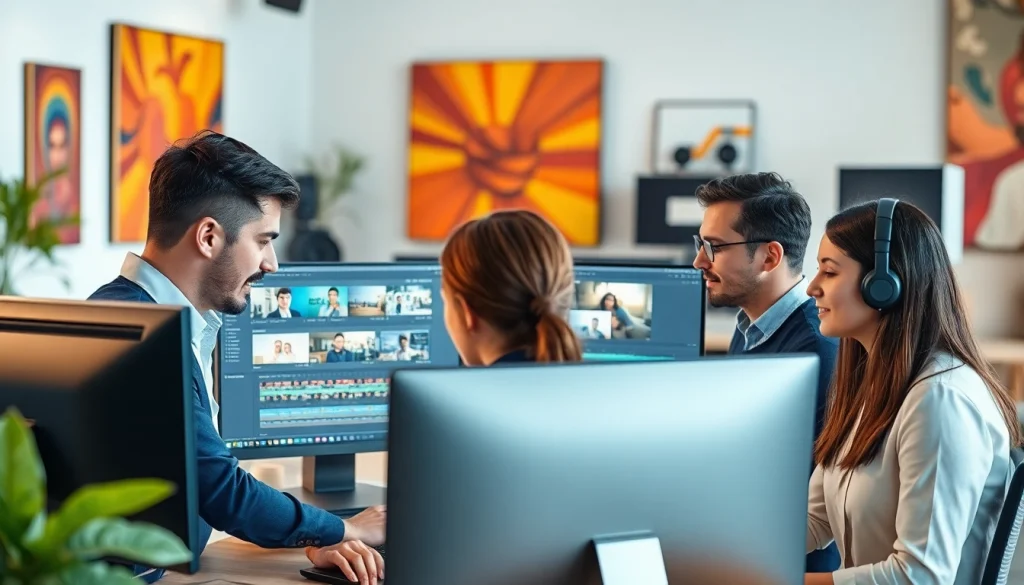
Understanding Video Editing Services
In today’s digital landscape, video content has become a cornerstone of effective communication, branding, and marketing. As a result, the demand for top-notch video editing services is on the rise. Companies and creators alike are seeking professional editing help to enhance the quality of their videos, ensuring they stand out in a crowded market.
What are Video Editing Services?
Video editing services refer to the professional handling of video footage to refine, enhance, and tailor it according to specific needs. This includes a range of activities from cutting and rearranging clips to adding special effects, color correction, sound editing, and even creating visual graphics or animations. Professional video editing not only improves the aesthetic quality of the content but also helps convey the intended message more effectively.
Types of Video Editing Services Available
There exists a variety of video editing services tailored to different genres and requirements. Some of the most common types include:
- Corporate Video Editing: Services targeted at businesses that want to produce professional internal and external videos, such as promotional videos, training materials, and corporate presentations.
- Social Media Video Editing: Catering to platforms like Instagram, Facebook, and TikTok where short, impactful videos are essential for engagement. This service often focuses on making videos that align with specific platform requirements.
- YouTube Video Editing: Tailoring video content for one of the largest video platforms, these services often include advanced features like thumbnail creation and SEO optimization.
- Event Video Editing: Capturing and editing live events like weddings, conferences, and concerts, where the goal is to compile highlights that resonate with viewers.
- Documentary Video Editing: A more narrative-driven style that requires careful selection of footage, interviews, and voiceovers to tell a compelling story.
- Animation and Motion Graphics: Creating animated videos or incorporating motion graphics to explain concepts visually, making them engaging and easily digestible.
Benefits of Professional Video Editing
Investing in professional video editing services brings various advantages:
- Quality Enhancement: Professionals have the expertise and tools to elevate the production quality, ensuring a polished final product that maintains viewer attention.
- Time Efficiency: Outsourcing editing allows creators and businesses to focus on their core activities while leaving the intricate work to experts.
- Creative Expertise: Professional editors bring creative insights that can significantly enhance storytelling, ensuring the message resonates with the target audience.
- Technical Proficiency: Experts are familiar with the latest editing software and techniques, enabling them to execute edits that align with industry standards.
- Consistent Branding: Editors can ensure that all video outputs align with a brand’s style guide, contributing to consistent brand identity across multiple platforms.
Choosing the Right Video Editing Services
When selecting video editing services, it’s essential to make informed decisions to ensure your content meets your expectations and objectives. Here are some considerations:
Factors to Consider When Selecting a Service
Before you partner with a video editing service, consider the following:
- Experience and Expertise: Look for a portfolio showcasing various styles and projects, which demonstrates their ability to handle your specific needs.
- Client Testimonials and Reviews: Feedback from previous clients can provide valuable insights into the service’s reliability, quality, and customer service.
- Service Flexibility: Ensure the service can adapt to different editing projects as your needs evolve over time.
- Communication: Strong communication is crucial for successful collaborations; ensure that the service is responsive and open to discussions.
Evaluating Service Providers
When assessing providers, it’s beneficial to compare their offerings, not just based on price but also on the value they bring to the table. Here’s how:
- Portfolio Review: Assess their previous work to gauge quality. Look for variety and projects that align with your vision.
- Sample Edits: Request a sample edit to understand their editing style and how they approach storytelling.
- Service Packages: Review what’s included in their packages. Do they offer additional services like sound design, color grading, and motion graphics?
- Turnaround Times: Understanding timelines for delivery is crucial, especially if you have pressing deadlines.
Comparing Costs and Packages
Video editing services can range significantly in price based on factors like complexity, length of the video, and the editor’s experience. It’s important to compare what different services offer for their prices:
- Flat Rates vs. Hourly Rates: Some services provide flat rates for specific types of videos, while others charge by the hour. Calculate which option is more cost-effective based on your project scope.
- Budget Alignment: Ensure that the service fits within your budget while meeting your quality and service expectations.
- Hidden Costs: Watch out for additional costs that may not be included in initial quotes, such as revisions or extra features.
Common Video Editing Techniques
Understanding the various editing techniques can help you determine what services you may need or what your video editor should prioritize.
Basic Editing Techniques for Beginners
For those new to video editing or looking to understand the fundamentals, here are key techniques to know:
- Cutting and Trimming: This involves removing unwanted sections from the video, creating a narrative flow that keeps viewers engaged.
- Transitions: Utilizing fades, wipes, and cuts to seamlessly move from one scene to another can elevate the polish of your video.
- Audio Editing: Syncing audio tracks with video and adjusting levels to ensure clear sound enhances viewer experience.
- Adding Titles and Graphics: Including introductory titles or captions can help deliver important information effectively.
Advanced Editing Techniques
Once you master the basics, consider diving into more complex editing techniques:
- Color Correction: Adjusting color balances to create a consistent look throughout your video.
- Motion Graphics: Incorporating animated graphics can help illustrate concepts that might be difficult to communicate through live action alone.
- Visual Effects (VFX): Adding CGI, special effects, or compositing techniques that enhance storytelling and visual appeal.
- Advanced Audio Manipulation: Implementing sound effects, voiceovers, and background music to build an immersive experience.
Popular Software Used in Video Editing
The choice of editing software can significantly affect the editing process and output quality. Some of the most popular tools include:
- Adobe Premiere Pro: A professional-grade editing platform known for its advanced features and flexibility.
- Final Cut Pro: Popular among Mac users, offering powerful editing capabilities and innovative tools.
- DaVinci Resolve: Primarily known for color correction, it’s gaining popularity due to its comprehensive editing options.
- iMovie: A user-friendly option for beginners, making it easy to create polished videos without extensive knowledge.
Maximizing the Impact of Your Edited Videos
Editing is only one part of the video creation process. To maximize the impact of your videos, consider implementing best practices and strategies.
Best Practices for Engaging Content
Craft engaging content by following these best practices:
- Know Your Audience: Tailor content to meet the needs and preferences of your target demographic to establish a connection.
- Tell a Story: Effective videos often tell a story. Use a clear beginning, middle, and end structure to maintain viewer interest.
- Optimize Video Length: Keep videos concise and to the point; research shows shorter videos often retain viewer attention better.
- Clear Calls to Action: Encourage engagement by prompting viewers to like, share, or comment.
Integrating SEO in Video Content
SEO is crucial for ensuring your video reaches a larger audience.
- Keyword Optimization: Use relevant keywords in titles, descriptions, and tags to enhance discoverability on platforms like YouTube.
- Compelling Thumbnails: Create attractive thumbnails to increase click-through rates; they should be visually appealing and indicative of video content.
- Captions and Subtitles: Including captions can improve accessibility and engagement, as well as contribute to SEO since search engines index text in video captions.
Measuring the Success of Your Videos
To assess how effective your video content is, track these performance metrics:
- View Count: Indicates how many viewers have engaged with your video.
- Watch Time: The total minutes viewers spend watching; higher watch time generally reflects higher-quality content.
- Engagement Rate: Track likes, shares, and comments to gauge audience interaction and content effectiveness.
- Conversion Rate: Measure how many viewers complete a desired action, such as signing up for a newsletter or making a purchase.
Future Trends in Video Editing Services
The video editing landscape is continually evolving, influenced by technological advancements and changing consumer preferences. Here’s what to keep an eye on:
Impact of Technology on Video Editing
Emerging technologies are revolutionizing the video editing process:
- AI and Automation: AI tools are starting to assist with tasks like color correction, noise reduction, and even editing suggestions based on past footage.
- Cloud-Based Collaboration: With a rise in remote work, cloud-based editing platforms allow multiple collaborators to edit simultaneously from different locations.
- Virtual Reality and Augmented Reality: Editing for VR and AR experiences is becoming more prevalent as technology becomes more accessible to consumers.
Emerging Video Formats and Techniques
New formats and techniques are pushing the boundaries of traditional video:
- 360-Degree Video: This immersive format offers viewers a fully interactive experience, providing content creators with novel storytelling avenues.
- Live Streaming: As audiences seek real-time engagement, video services are adapting to include live streaming as a core offering.
- Vertical Video: Optimized for mobile viewing, vertical video formats have gained prominence on social media platforms.
Anticipating the Future of Content Creation
As content creation continues to evolve, video editing services must adapt to meet new demands. Here are trends to watch:
- Increased Demand for Personalized Content: Businesses will likely seek more tailored video solutions that speak directly to target audiences.
- Sustainable Practices: As awareness for sustainability grows, video production services are expected to adopt greener practices.
- Enhanced Focus on Accessibility: Future content will need to be inclusive, focusing on accessibility features such as audio descriptions and adaptive playback options.