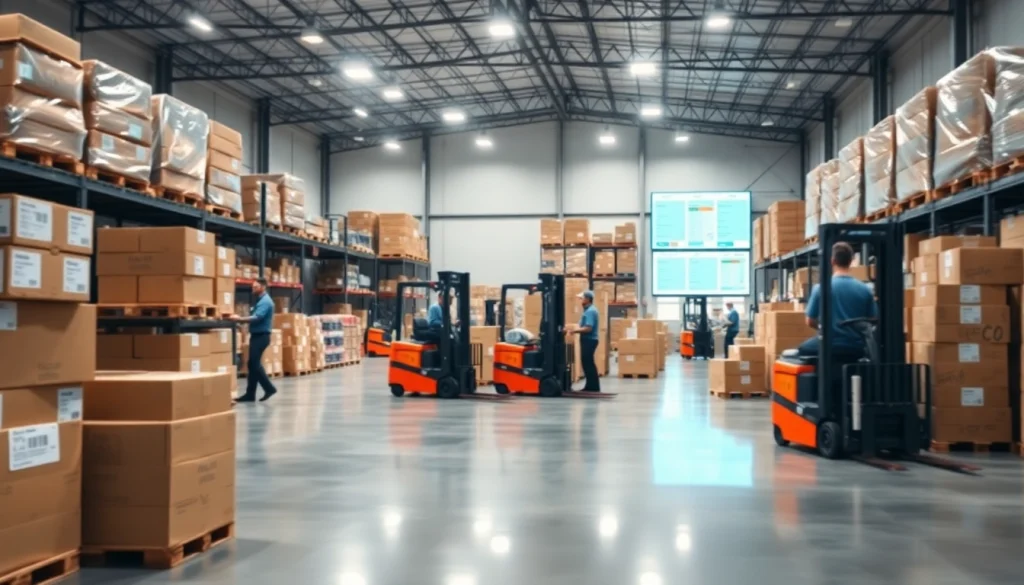
Understanding the Fundamentals of Warehousing
What is Warehousing?
Warehousing is a crucial aspect of logistics and supply chain management, encompassing the storing of goods until they are ready for distribution. This process involves a systematic and organized method of receiving, storing, and releasing products, allowing businesses to manage inventory efficiently. Essentially, warehousing facilities act as a bridge between manufacturers and consumers, ensuring that goods are readily available when demanded. As defined, warehousing is not merely about storage; it includes various accompanying services that streamline supply chain operations.
Key Functions of Warehousing
The primary functions of warehousing extend beyond storage. Here are some critical components that highlight the significance of warehousing in business operations:
- Storage of Goods: Warehousing provides a safe and controlled environment for storing products until they are needed. This can include everything from raw materials to finished goods.
- Inventory Management: Effective warehousing system allows for accurate tracking and management of inventory levels, aiding in reducing stockouts and overstocks.
- Order Fulfillment: Warehouses play a pivotal role in fulfilling customer orders quickly by preparing goods for shipment right from the storage location.
- Cross-Docking: This process allows for goods to be transferred directly from inbound to outbound transport, minimizing storage time and reducing warehousing costs.
- Value-Added Services: Warehousing can include services such as packaging, sorting, and labeling, which enhance the product before it reaches the consumer.
Types of Warehousing Solutions
There are various warehousing solutions tailored to meet the diverse needs of businesses:
- Public Warehouses: Operated as an independent business, these facilities offer storage space and services to multiple clients, typically on a short-term basis.
- Private Warehouses: Owned and operated by a company, these warehouses allow for greater control over inventory and operations, often suited for larger businesses.
- Distribution Centers: Focused on the rapid movement of goods, these centers emphasize order fulfillment and distribution rather than long-term storage.
- Climate-Controlled Warehouses: Vital for storing perishable products, these spaces maintain temperature and humidity levels to prevent spoilage.
- Automated Warehousing: Utilizing advanced technology such as robotics and AI, automated warehouses enhance efficiency and accuracy in inventory management.
The Role of Warehousing in Supply Chain Management
Warehousing and Inventory Management
Effective warehousing is directly linked to successful inventory management. By maintaining optimal inventory levels, businesses can ensure that they meet supply and demand without incurring excess costs. Strategies such as Just In Time (JIT) inventory management can help streamline operations, reduce waste, and improve cash flow.
Moreover, sophisticated warehouse management systems (WMS) allow for real-time tracking of inventory across various locations, ensuring transparency and control over stock management processes.
Benefits of Efficient Warehousing
Efficient warehousing leads to numerous benefits:
- Cost-Effectiveness: By optimizing storage solutions and reducing unnecessary overheads, businesses can achieve significant savings.
- Improved Customer Service: Faster order processing and fulfillment lead to higher customer satisfaction.
- Increased Flexibility: A well-structured warehousing system allows businesses to adapt quickly to changes in supply chain dynamics.
- Enhanced Supply Chain Visibility: Accurate inventory data enables better forecasting and decision-making.
- Risk Mitigation: Efficient warehousing can help manage risks related to stock shortages or surplus inventory.
Challenges in Modern Warehousing
Despite its advantages, warehousing faces several challenges, including:
- Space Constraints: As businesses grow, the need for more space can lead to challenges in optimizing storage.
- Labor Shortages: Finding skilled workers for warehousing operations can prove difficult, particularly in specific regions.
- Technological Advances: Keeping up with the rapid pace of technology changes necessitates continuous adaptation and investment.
- Rising Operational Costs: Fluctuating costs associated with labor, utilities, and real estate can strain warehousing budgets.
Best Practices for Optimizing Warehousing Operations
Space Utilization Strategies
Proper space utilization is vital for maximizing efficiency in warehousing. Implementing strategies such as vertical storage, flexible racking systems, and regular audits of space can help organizations make the most out of their available space. Moreover, precise layout planning facilitates improved workflow and reduces unnecessary movement within the warehouse.
Warehouse Management Systems (WMS)
A robust Warehouse Management System is integral to optimizing warehousing operations. A WMS offers functionalities like inventory tracking, order management, and data analytics, allowing for informed decision-making. Integrating advanced systems can lead to decreased labor costs and increased accuracy in inventory management.
Technology in Warehousing
Modern warehousing increasingly relies on technology, with innovations such as barcode scanning, RFID tagging, and automated guided vehicles (AGVs) transforming traditional operations. Adopting these technologies improves accuracy, reduces manual errors, and enhances the overall efficiency of warehousing processes.
Regulations and Safety in Warehousing
Compliance in Warehousing Operations
Compliance with industry regulations is paramount in warehousing operations. Understanding the laws concerning workplace safety, environmental impact, and inventory management helps businesses avoid penalties and maintains a positive reputation. Regular training sessions and audits are essential for ensuring that all operations meet the required standards.
Safety Protocols for Warehouses
Safety in warehousing should be a priority for both employees and management. Implementing protocols such as regular safety inspections, ergonomic assessments, and having safety equipment readily available can mitigate risks and promote a safer working environment.
Workplace Safety Training
Regular safety training is critical to equip employees with the necessary skills and knowledge to navigate potential hazards in the warehouse. This training should encompass topics such as proper material handling techniques, emergency response procedures, and the use of personal protective equipment (PPE).
Future Trends in Warehousing
Impact of E-commerce on Warehousing
The rise of e-commerce has significantly altered warehousing dynamics. With increasing customer expectations regarding shipping speed and availability, warehouses are evolving to incorporate more responsive and flexible fulfillment strategies. Adapting to this trend often involves rethinking warehouse layouts and processes to accommodate rapid order turnover.
Automation and Robotics in Warehousing
Automation and robotics are set to revolutionize warehousing. Automated systems can efficiently handle repetitive tasks such as sorting, packing, and transporting goods. By integrating these technologies, companies can reduce operational costs and enhance productivity levels drastically.
Sustainability in Warehousing
There is a growing emphasis on sustainability in warehousing practices. Businesses are increasingly adopting eco-friendly initiatives, such as reducing energy consumption, optimizing resource usage, and utilizing sustainable packaging materials. These strategies not only improve environmental impact but also resonate with consumers’ increasing preference for sustainable practices.